Gokul Milk Chairperson Election Results in Controversial Outcome
The recent election for the chairperson of Gokul Milk has raised serious questions about the integrity of cooperative governance in Maharashtra.
The Mahayuti alliance's candidate won the chairperson election despite losing the majority of elected seats.
A new ordinance allowed government-appointed members to vote, altering the election dynamics.
The Bombay High Court is set to review the constitutional validity of the ordinance on November 25.
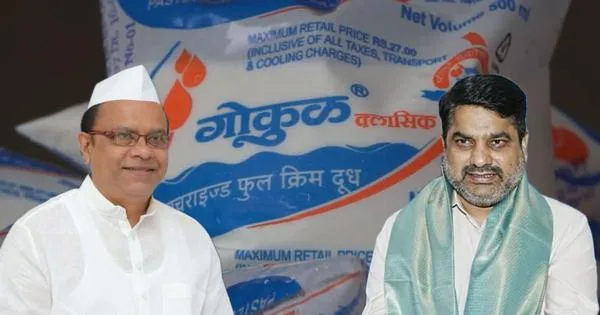
The recent election for the chairperson of Gokul Milk, a major cooperative in Maharashtra, has sparked controversy following an unexpected outcome. On November 10, the Mahayuti alliance's candidate, Rajesh Patil, secured the position with 16 votes against 13, despite his faction winning only 12 of the 25 elected seats. This election has raised significant concerns regarding the democratic processes within cooperative governance.
Gokul Milk, officially known as the Kolhapur District Cooperative Milk Producers’ Union, serves approximately 440,000 milk producers and reported a turnover nearing Rs 4,000 crore in the 2024-2025 fiscal year. The cooperative's governance structure involves village society representatives electing directors, who then choose the chairperson. However, the recent election process was marred by procedural irregularities and a lack of quorum, as the Mahayuti alliance's directors boycotted the meeting intended to elect the chairperson.
The situation escalated when the Maharashtra government introduced an ordinance allowing government-appointed members to participate in the election, effectively changing the rules post-election. This amendment to the Maharashtra Co-operative Societies Act was approved on November 4 and permitted the state to nominate five members to the board, including four with voting rights in chairperson elections. This move has been criticized for undermining the cooperative's democratic foundation, as it contradicts previous legal principles established under the 97th Constitutional Amendment.
The implications of this election extend beyond Gokul Milk, raising broader questions about the governance of cooperatives in Maharashtra. Farmers and cooperative members are voicing concerns about the potential for government overreach and the erosion of grassroots democracy. The situation has prompted calls for greater transparency and accountability in cooperative governance, with many advocating for a system that empowers producers rather than government nominees.
Looking ahead, the Bombay High Court is scheduled to hear petitions challenging the constitutional validity of the ordinance on November 25. The outcome of this case could have significant ramifications for cooperative governance in Maharashtra, as farmers and cooperative members seek to reclaim their rights and ensure that their voices are heard in the decision-making processes that affect their livelihoods.