Maharashtra Faces Severe Water Shortage as 19 Dams in Marathwada Run Dry
The water crisis in Maharashtra intensifies with 19 dams in Marathwada completely dry, prompting a surge in tanker demand.
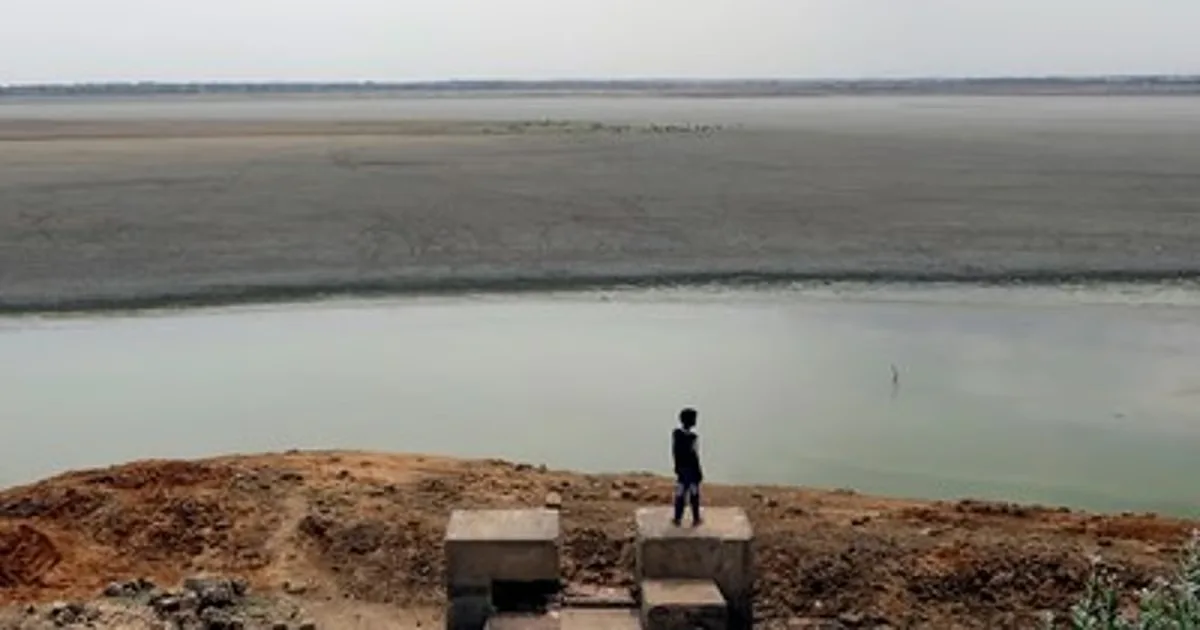
Nineteen dams in Marathwada have run dry, with reservoir levels plummeting to 33.79%.
The state has deployed 1,323 water tankers to serve over 1,100 villages and 3,800 hamlets.
Maharashtra has declared drought in 310 talukas, with relief measures under review.
The water crisis in Maharashtra has escalated dramatically, particularly in the Marathwada region, where 19 dams have completely run dry. This alarming situation has resulted in reservoir storage levels dropping to just 33.79%, a significant decline from 90.16% during the same period last year. The state government is grappling with the implications of this crisis as local water sources become increasingly unreliable.
In response to the dire circumstances, Maharashtra has deployed 1,323 water tankers to provide essential water supply to 1,102 villages and 3,801 hamlets across 11 districts. Marathwada is the most affected area, with 668 tankers currently in operation, including 326 in Beed alone. The demand for these tankers has doubled in the past month, highlighting the urgent need for water delivery as traditional sources have failed.
According to the Water Resources Department, the overall capacity of Maharashtra's dams stands at 61.88%, down from 90.26% last year. Marathwada's reservoirs are the lowest in the state, with only the Lower Terna dam in Dharashiv retaining 14% of its capacity. Other dams in Beed, such as Majalgaon and Dhanegaon, are also critically low, holding between 14% and 16% of their capacity. Water Supply Department officials anticipate that the demand for tankers will continue to rise as the situation worsens.
The state has officially declared drought in 310 talukas and is assessing conditions in 13 additional areas. The Maharashtra cabinet is set to review drought relief measures, focusing on ensuring access to drinking water and halting non-essential construction projects that consume large amounts of water. The Planning Department has issued directives to prioritize drinking water supply in the District Annual Plan for 2026–27, emphasizing the need for immediate action to address the crisis.
Looking ahead, district planning committees are tasked with implementing projects that will facilitate water access for residents and livestock. This includes completing necessary infrastructure such as pipelines and storage tanks, repairing leaks, and connecting supply networks to available water sources. The urgency of the situation calls for swift action to mitigate the impact of this severe water shortage on public health and livelihoods in Maharashtra.