Maharashtra Faces Severe Water Crisis as Drought Declared in 265 Talukas
With the southwest monsoon withdrawing, Maharashtra grapples with acute water stress affecting agriculture and drinking supplies.
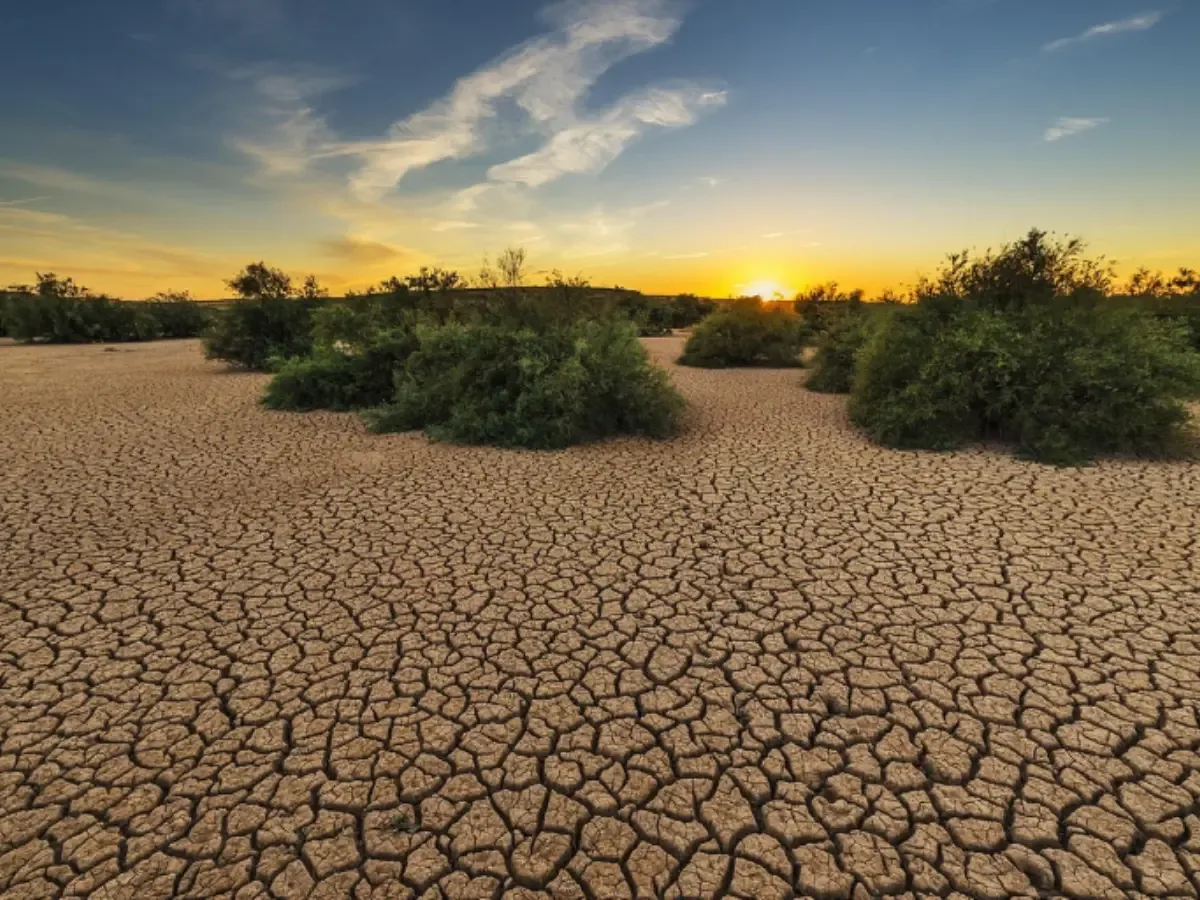
265 out of 358 talukas in Maharashtra are declared drought-affected.
The state received 19% less rainfall than the seasonal average, with significant regional disparities.
Authorities are implementing emergency measures to address water shortages and support affected farmers.
Maharashtra is entering a critical phase as the southwest monsoon recedes, leaving 265 of its 358 talukas officially declared as drought-affected. This alarming situation arises from prolonged dry spells and uneven rainfall throughout the monsoon season, which has led to acute water stress, crop losses, and uncertainty regarding drinking water supplies. The government is now mobilizing relief efforts across the state, particularly in regions like Marathwada, Vidarbha, and parts of northern Maharashtra.
The current drought crisis is exacerbated by the timing and distribution of rainfall. From June to September, Maharashtra recorded approximately 19% less rainfall than its seasonal average, with stark regional differences. While some areas in western Maharashtra and the Konkan region fared better, districts in Marathwada and Vidarbha suffered significant deficits, impacting rural livelihoods and agricultural productivity.
Marathwada is at the epicenter of this water crisis, with its eight districts receiving only about two-thirds of their normal monsoon rainfall. Latur, one of the worst-hit districts, saw rainfall drop to nearly half of its usual levels. As a result, farmers are facing dire conditions, particularly those reliant on rain-fed crops like cotton and soybean. With insufficient moisture in the soil, many farmers are witnessing their investments in seeds and fertilizers go to waste as crops deteriorate.
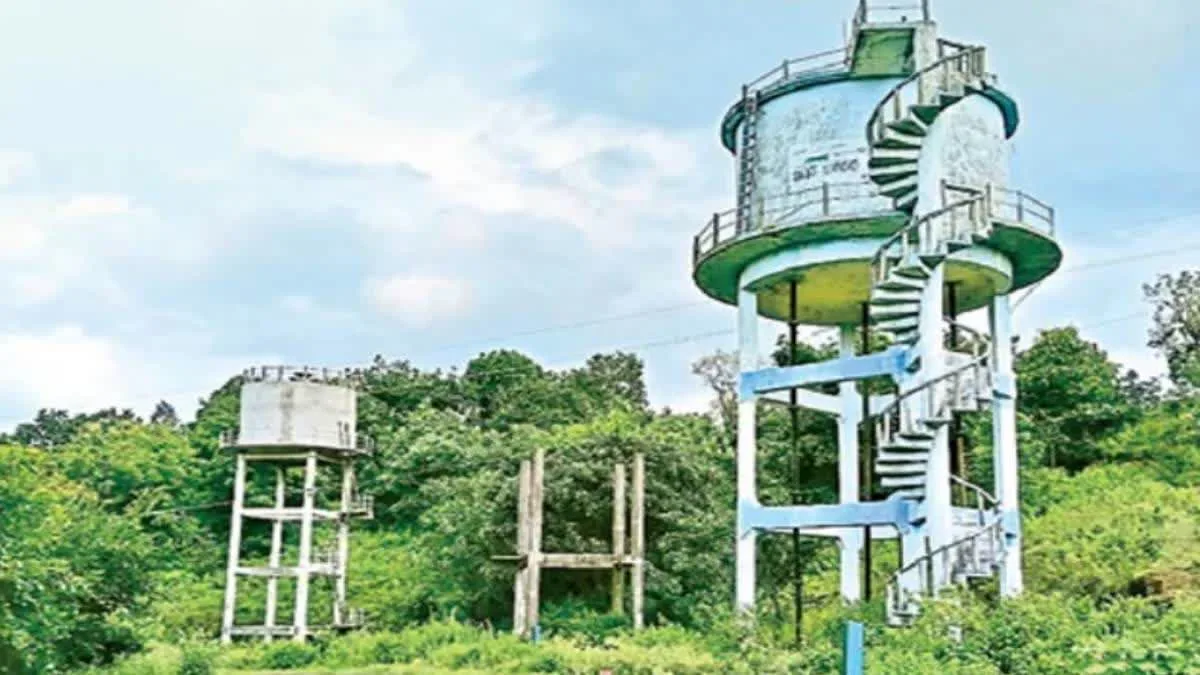
The situation is increasingly dire as drinking water supplies dwindle. Many villages are now relying on tanker services due to drying wells and local water sources. The government is preparing contingency plans to address potential drinking water shortages in the coming months. Additionally, reservoir levels across the state are concerning, with combined storage at about 75% at the end of September, down from 88% the previous year. In the Chhatrapati Sambhajinagar division, reservoir storage plummeted to around 45%, indicating a severe shortage as the dry season approaches.
Looking ahead, the upcoming Rabi season poses further challenges for farmers. Decisions regarding sowing will largely depend on soil moisture and irrigation availability. Many may opt for less water-intensive crops due to the uncertainty of water supply, which could have long-term economic implications. As Maharashtra grapples with this crisis, the need for effective implementation of relief measures and sustainable water management strategies becomes increasingly critical to mitigate the impact on agriculture and rural communities.