Maharashtra Faces Severe Drought: 47% Drop in Foodgrain Production Expected
The state anticipates significant declines in agricultural output due to ongoing drought conditions.
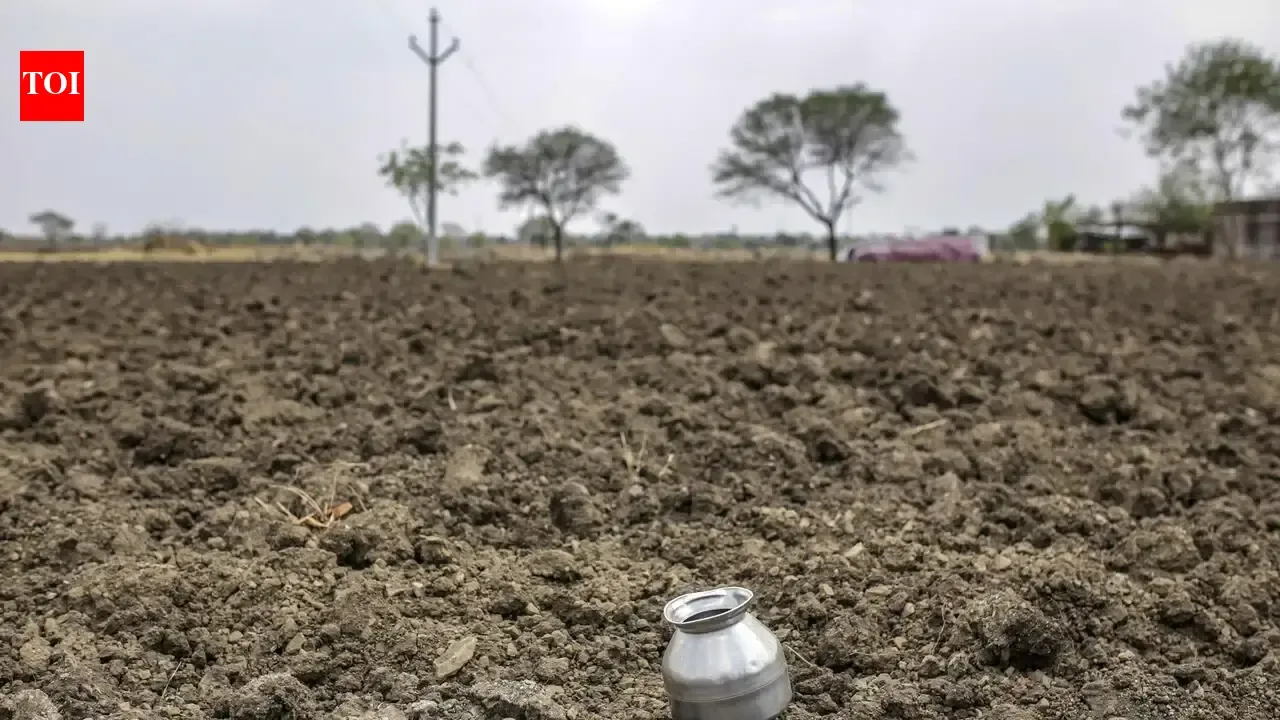
Foodgrain production in Maharashtra is projected to drop by 46.6%.
Oilseed output is expected to decline by 55.1%, severely impacting farmers.
Drought has affected 86.5% of the state's talukas, complicating sowing prospects.
Maharashtra is grappling with a severe drought that is projected to lead to a staggering 46.6% decline in foodgrain production and a 55.1% drop in oilseed output for the Kharif 2026 crop season. This alarming forecast comes from the initial advance estimate released by the state agriculture department at the end of October, with further estimates to follow in the upcoming months.
The anticipated decline in foodgrains includes a significant reduction in cereal production, which is expected to fall by 32 lakh tonnes, translating to a 44.1% decrease compared to last year. Pulses are projected to see an even sharper decline of 57.9%, amounting to a loss of 9.6 lakh tonnes. This year's Kharif crop, which is crucial for the state, has been severely impacted due to insufficient rainfall, particularly after a weak monsoon season.
In addition to foodgrains, cash crops such as soybeans and cotton are also facing drastic reductions. Soybean production is expected to plummet by 56%, from 48.4 lakh tonnes to 21.3 lakh tonnes, while cotton output is projected to decrease by 42.3%, dropping from 79.5 lakh tonnes to 45.8 lakh tonnes. The maize crop is also suffering, with an expected decline of 63.5%, equating to a loss of 25 lakh tonnes.
The drought has affected 310 out of 358 talukas in Maharashtra, accounting for 86.5% of the state. The El Nino phenomenon has contributed to a weakened monsoon, resulting in prolonged dry spells that have devastated standing crops. The impact of this drought extends beyond the Kharif season, as rabi sowing is currently at just 26% of normal levels, with total foodgrain sowing at 27% and oilseed sowing at 24% of what is typical for this time of year.
Looking ahead, the rabi sowing season is expected to continue through December, but the prospects for improvement remain bleak due to low soil moisture levels in drought-affected fields. Farmers are facing significant challenges, and the state will need to monitor the situation closely to mitigate the impacts of this agricultural crisis.