Maharashtra CM Assures No Water Share Will Be Taken from Koyna
Devendra Fadnavis addresses concerns over Koyna dam water diversion plans amid political objections.
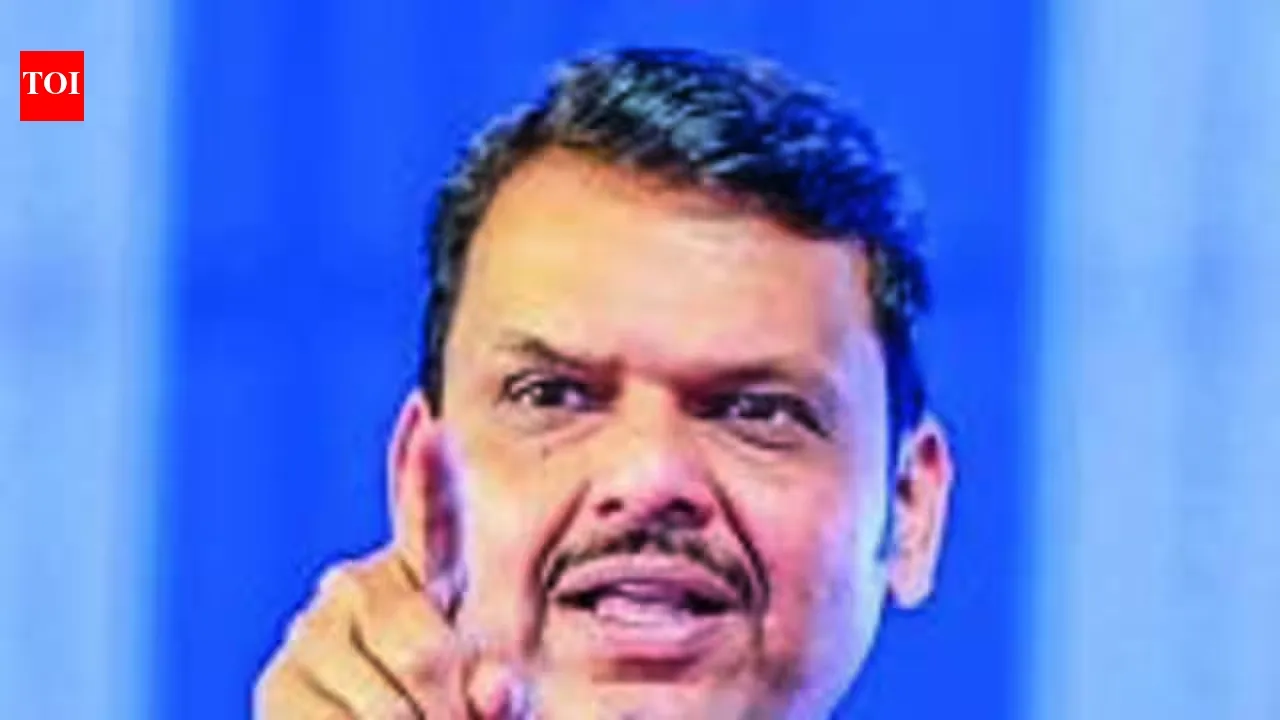
CM Fadnavis states that no region's water share will be diverted.
A study will assess the feasibility of using excess water currently flowing into the sea.
Mumbai faces a 10% water cut, with a daily deficit of over 500 million litres.
In a recent statement, Maharashtra Chief Minister Devendra Fadnavis addressed concerns regarding the state's proposal to divert excess water from the Koyna dam to Mumbai. This announcement comes amidst objections from some Mahayuti politicians who fear that the diversion may affect local water shares. Fadnavis emphasized that no existing water allocations would be compromised, stating, "No one’s share of water will be diverted."
The Koyna dam, which has a total capacity of 105 TMC (thousand million cubic feet), currently releases approximately 60 TMC of water into the sea after hydropower generation. Fadnavis explained that this water is not utilized for irrigation and is essentially wasted. He mentioned that a detailed study would be conducted to evaluate how much of this surplus water could potentially be redirected to alleviate water shortages in Mumbai, which is currently experiencing a 10% water cut.
In response to the objections raised by local politicians, including Shiv Sena's Khanapur MLA Suhas Babar and NCP's Sanjaykaka Patil, Fadnavis acknowledged the need to prioritize drought-prone areas like Satara and Sangli. He assured that the government would consider these concerns while exploring the diversion plan. The Chief Minister reiterated that the initiative aims to enhance water availability without infringing on existing rights, stating, "We are not stealing anyone’s usable water."
The implications of this proposal are significant for both Mumbai and the surrounding regions. Currently, Mumbai's water supply is primarily sourced from seven lakes and dams, providing around 4,100 million litres per day, which falls short of the estimated daily requirement of 4,600 million litres. The potential diversion of excess Koyna water could ease the pressure on local water resources and improve supply reliability for the city's residents.
Looking ahead, the Maharashtra government plans to conduct a thorough study to determine the feasibility of the water diversion project. This study will assess the volume of water available for diversion and the logistics involved in transporting it to Mumbai. As discussions continue, Fadnavis aims to engage with stakeholders to clarify the proposal and ensure that it benefits the broader population of Maharashtra.