Hexavalent Chromium Detected in Nashik Groundwater Ahead of Kumbh Mela
A recent report reveals alarming levels of cancer-causing hexavalent chromium in groundwater near Nashik, raising health concerns for Kumbh Mela attendees.
Hexavalent chromium levels in Nashik's Ambad area exceed safe limits by over 1,000 times.
Contaminated groundwater poses risks to public health and the Godavari river ahead of the Kumbh Mela.
Calls for immediate action include health camps and alternative water supplies for affected residents.
A recent investigation has uncovered dangerously high concentrations of hexavalent chromium in groundwater samples from the Ambad area of Nashik, Maharashtra, just ahead of the Kumbh Mela. The South Asia Network on Dams, Rivers and People (SANDRP) reported levels reaching 50.3 mg/L, significantly surpassing the permissible limit of 0.05 mg/L set by the Bureau of Indian Standards. This alarming discovery raises serious concerns about public health and the potential contamination of the Godavari river, which is vital for the upcoming religious gathering.
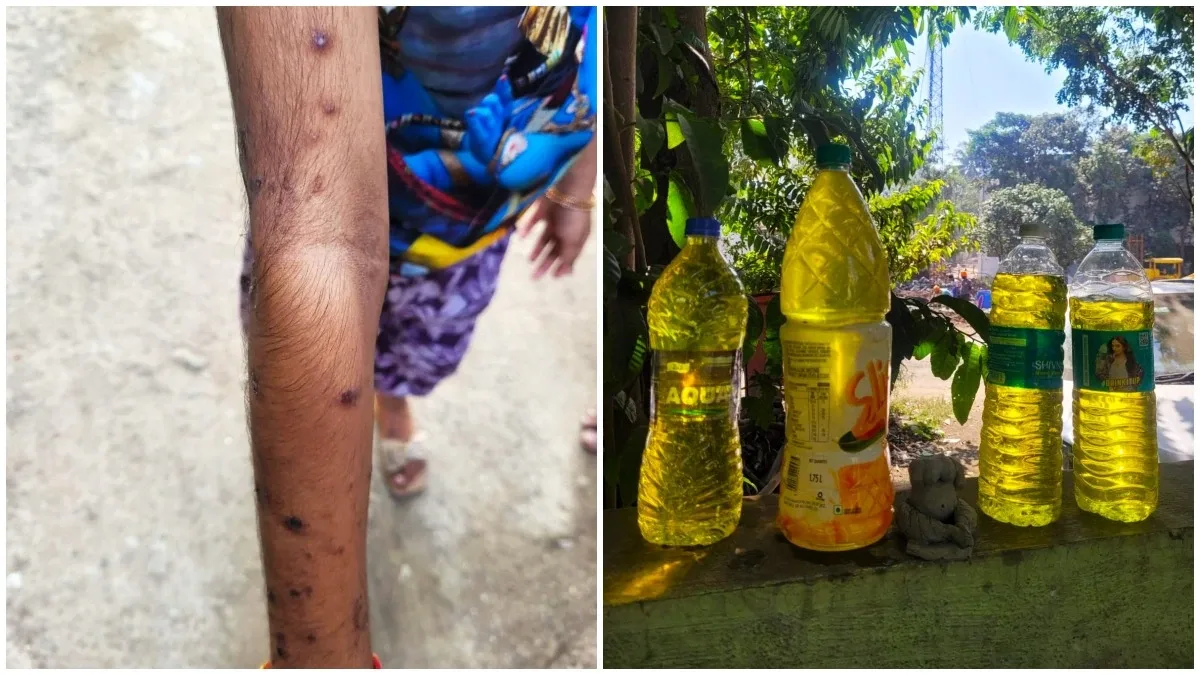
The contamination appears to stem from industrial activities in the Maharashtra Industrial Development Corporation (MIDC) zone, where processes such as electroplating and paint manufacturing are prevalent. Residents have reported yellow-tinted borewell water, indicating possible industrial pollution. However, the exact source of the contamination remains to be confirmed through a formal investigation.
Hexavalent chromium, a known carcinogen, poses various health risks, including skin irritation and potential cancer. The International Agency for Research on Cancer categorizes chromium-6 as harmful to humans, particularly through inhalation. Residents in the affected area have reported skin rashes, blisters, and other health issues, raising alarms about the long-term effects of exposure to contaminated water.
The implications of this contamination extend beyond individual health concerns; it threatens the Godavari river, which is integral to the Kumbh Mela festivities. SANDRP has expressed concerns that contaminated water could flow into the river, endangering both local residents and the thousands of pilgrims expected to attend the event. The Maharashtra Pollution Control Board's recent actions, including a show-cause notice to one industrial entity, have been criticized for their lack of transparency regarding water testing results.
In light of these findings, immediate measures are being called for, including the establishment of health camps, alternative water supplies for affected communities, and comprehensive testing of the Godavari river and local drainage systems. As the Kumbh Mela approaches, it is crucial for authorities to act swiftly to assess the contamination's extent and ensure the safety of both residents and visitors to the region.