First Case Filed Under Maharashtra's Anti-Conversion Law in Jalgaon
A man in Jalgaon faces allegations of luring individuals into religious conversion with promises of jobs and financial aid.

The case is the first registered under Maharashtra's new Freedom of Religion law.
Accusations include offering financial assistance and job opportunities for children as inducements.
Protests have erupted from local Hindu organizations demanding strict action against the accused.
In a significant legal development, a man in Jalgaon district, Maharashtra, has been accused of attempting to convert individuals to another religion by allegedly offering them financial incentives and job opportunities for their children. This case marks the first instance of enforcement under the recently enacted Freedom of Religion law, which aims to curb coercive conversions.
The allegations stem from a complaint stating that the accused attempted to persuade individuals to change their faith by promising improved educational prospects and employment for their offspring. Furthermore, he purportedly assured them of financial support to alleviate their economic hardships, making these offers as inducements for conversion.
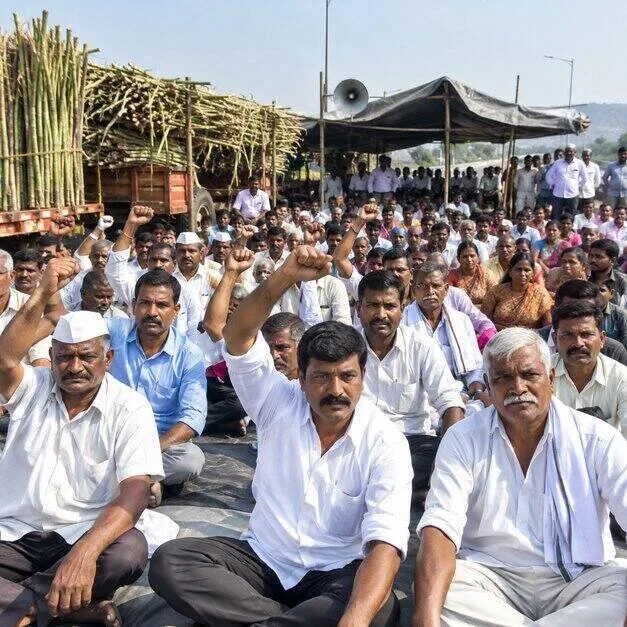
This incident has sparked protests led by the Sakal Hindu Samaj organization, which has called for stringent action against the accused. Representatives from the group have submitted a memorandum to local police, emphasizing the need for immediate and decisive measures. They have also threatened to escalate their protests if the authorities do not respond adequately to their demands.
The Freedom of Religion Bill, passed by the Maharashtra Assembly in March 2026, outlines penalties for religious conversions that occur through coercion, fraud, or inducement. Under this law, unlawful conversions involving inducement through marriage can lead to imprisonment of up to seven years and fines reaching Rs 1 lakh. More severe penalties apply to conversions involving minors, women, and members of Scheduled Castes and Scheduled Tribes, with potential sentences of up to seven years and fines of Rs 5 lakh.
Looking ahead, the legal implications of this case could set a precedent for future enforcement of the Freedom of Religion law in Maharashtra. Authorities are expected to investigate the allegations thoroughly, and the outcome may influence public sentiment and legislative discussions surrounding religious conversions in the state.