FAI Appeals for Reconsideration of Non-Subsidised Fertiliser Sales Ban in UP, Maharashtra, and Bihar
The Fertiliser Association of India urges state governments to lift restrictions on non-subsidised fertiliser sales to enhance farmers' access to essential crop nutrition.
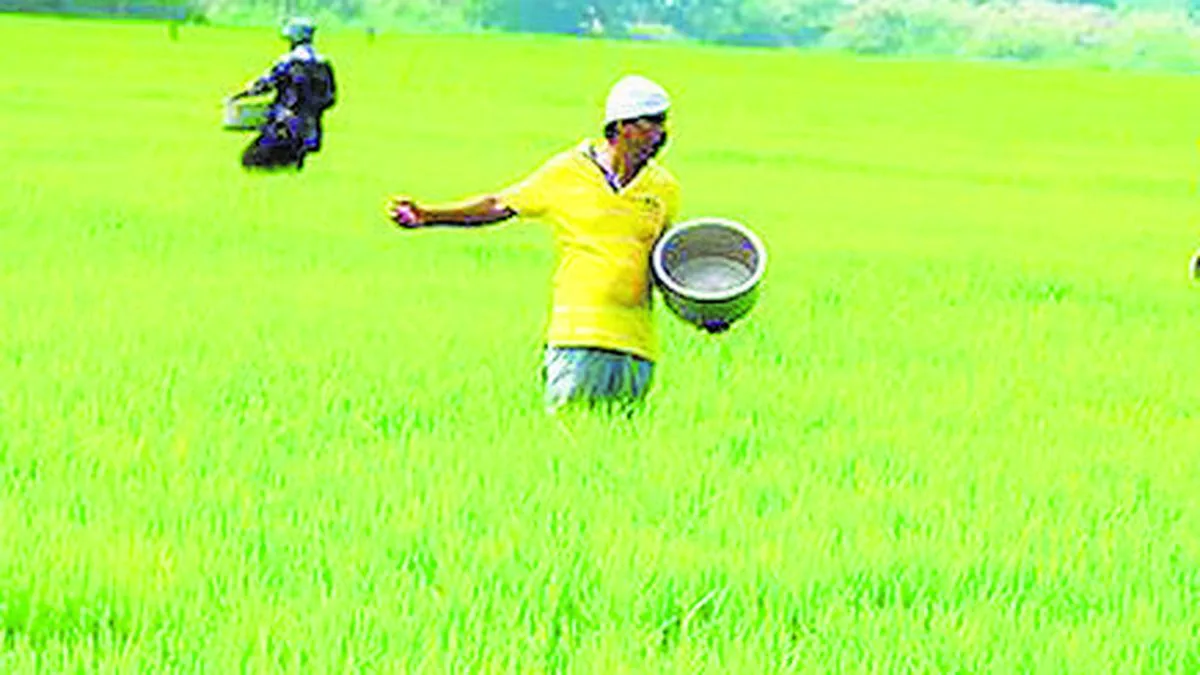
FAI highlights the impact of restrictions on farmers' access to specialised crop nutrition products.
The association emphasizes the need for a balanced approach to agricultural input regulations.
Concerns over forced tagging practices should not hinder access to legitimate agricultural products.
The Fertiliser Association of India (FAI) has formally requested that the governments of Uttar Pradesh, Maharashtra, and Bihar reconsider their recent bans on the sale of non-subsidised fertilisers and specialty crop nutrition products. This appeal comes as these restrictions have been implemented in these states, significantly limiting farmers' access to vital agricultural inputs that are governed by the Fertiliser Control Order (FCO) of 1985.
FAI's concerns are particularly pressing as the current Rabi season approaches, a critical time for farmers who depend on specialized nutrition solutions tailored to specific crop and soil needs. The association argues that such limitations could adversely affect agricultural productivity and soil health, which are essential for sustainable farming practices. In a statement released on Thursday, FAI called for a balanced regulatory approach that addresses the need to prevent inappropriate selling practices while ensuring farmers can access legitimate and approved agricultural products.
Over the years, Indian agriculture has evolved to incorporate a wider array of science-based crop nutrition solutions, including micronutrients, water-soluble fertilisers, and bio-fertilisers. FAI noted that these products complement traditional fertilisers like Urea and DAP, addressing multiple nutrient deficiencies and enhancing overall crop productivity. The association stressed that these innovations are crucial for improving nutrient-use efficiency and adapting to changing climatic conditions.
FAI also highlighted the significant investments made by the fertiliser industry in research, product development, and farmer outreach to promote advanced crop nutrition solutions. They warned that imposing restrictions on these products could deter future investments and innovation, ultimately hampering the adoption of technologies designed to enhance sustainable farming practices. Furthermore, limiting established producers from supplying these products could lead to a decline in product quality and farmer choice, potentially increasing reliance on less reliable alternatives in the market.
Looking ahead, FAI advocates for a predictable and science-based regulatory framework that protects farmers' interests while facilitating access to modern agricultural solutions. The association acknowledges that state-level restrictions are often motivated by concerns over forced tagging practices, where the purchase of subsidised fertilisers is tied to the mandatory acquisition of other products. While FAI condemns such practices and supports stringent action against those who engage in them, it insists that the focus should be on eliminating these inappropriate practices rather than restricting access to legitimate agricultural inputs.