Drone Survey Initiated to Identify Pollution Sources in Maharashtra's Ulhas and Waldhuni Rivers
Kalyan MP Shrikant Shinde directs a drone survey to tackle pollution in Ulhas and Waldhuni rivers, focusing on untreated sewage and industrial waste.
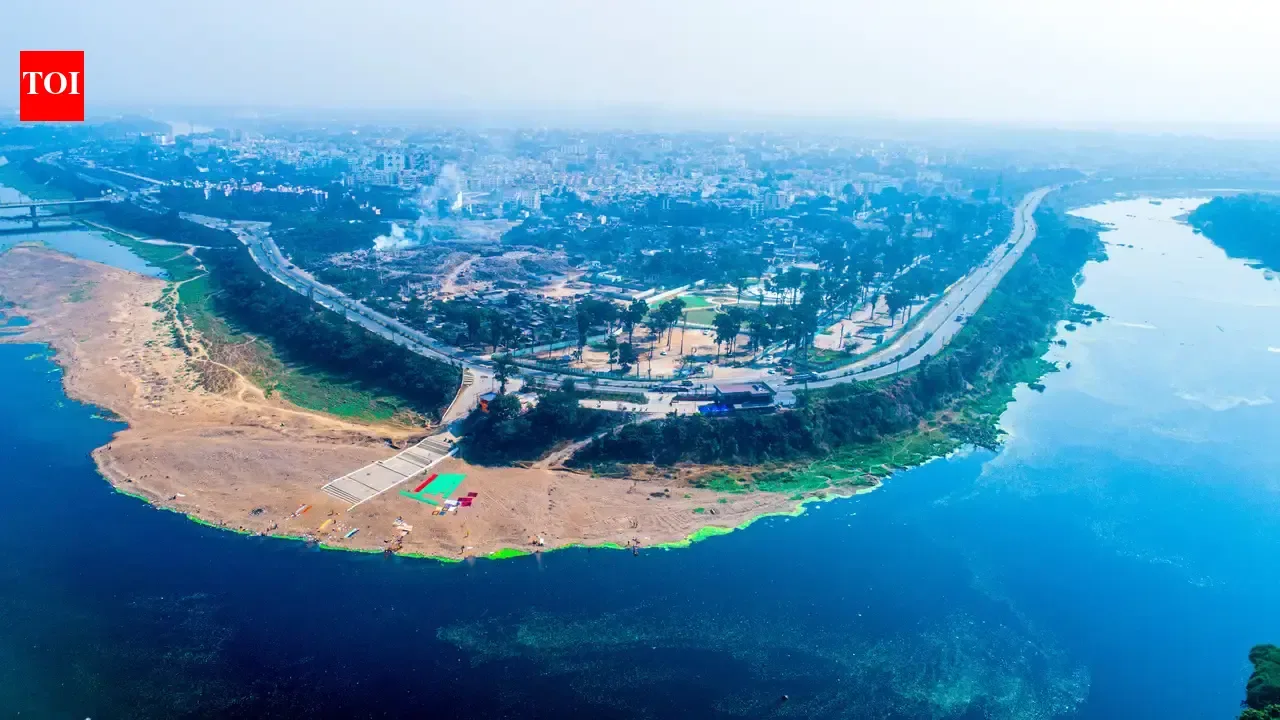
Drone surveys will identify pollution sources in Ulhas and Waldhuni rivers.
Officials are tasked with assessing sewage treatment capacity and planning new facilities.
A comprehensive riverfront development plan is proposed to enhance the area.
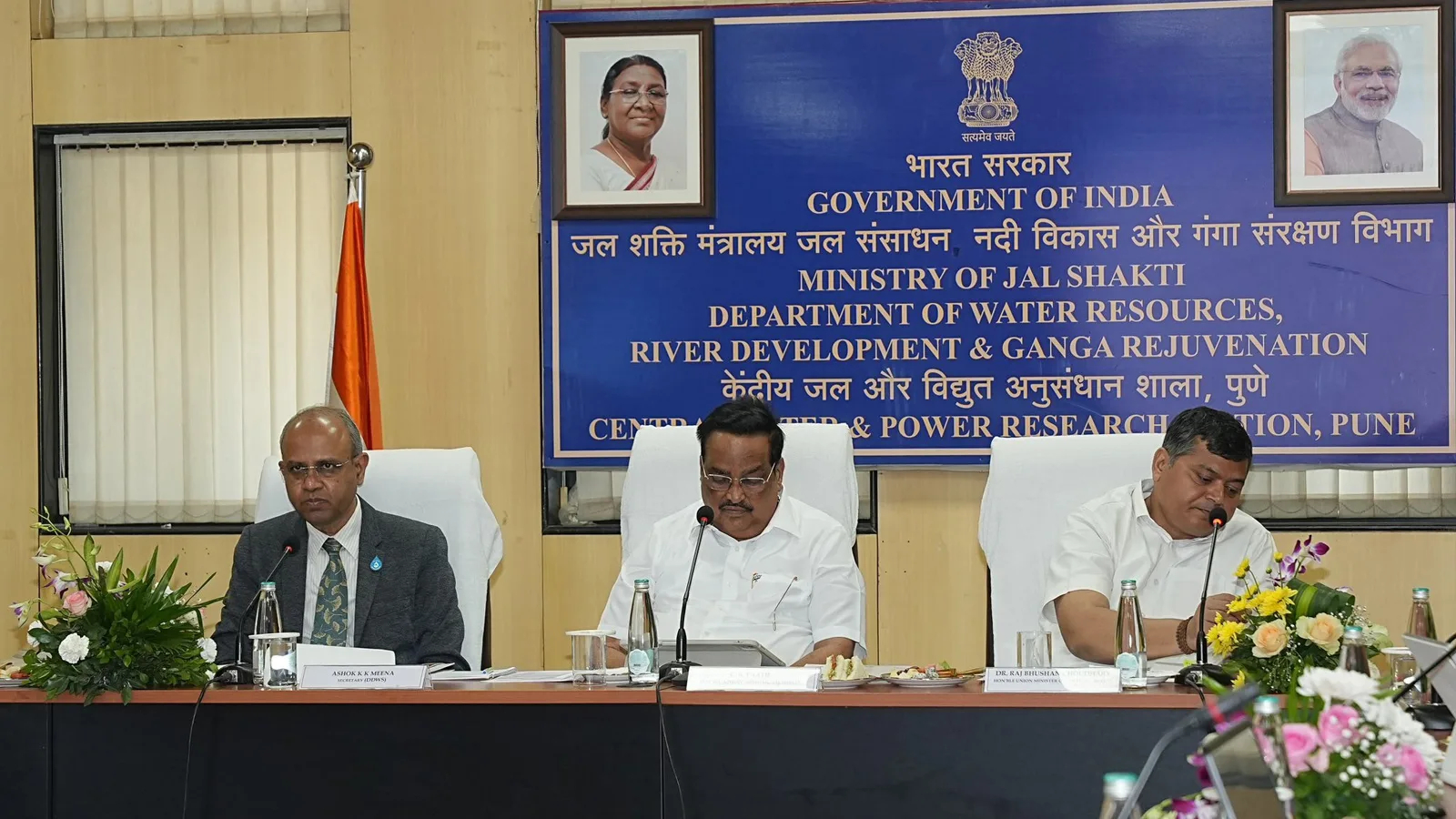
In a significant step towards addressing the pollution crisis affecting the Ulhas and Waldhuni rivers, Kalyan Member of Parliament Shrikant Shinde has mandated the Maharashtra Pollution Control Board (MPCB) and local authorities to carry out a detailed drone survey. This initiative aims to pinpoint the origins of untreated sewage and industrial discharges along the riverbanks. The directive was issued during a review meeting held at the Thane district collector’s office, where key stakeholders, including Thane collector Dr. Shrikrishna Panchal and MPCB chairman Siddesh Kadam, were present.
The rivers have been under scrutiny due to persistent pollution issues, with numerous complaints regarding the release of untreated industrial waste and soil dumping along their banks. Residents and environmental activists have raised alarms about the changing color of the river water, which is often attributed to suspected chemical contamination. In response to these concerns, Shinde has emphasized the need for drone technology to effectively map vulnerable areas and locate specific points where polluted water enters the rivers.
In addition to the drone survey, Shinde has urged officials to investigate the feasibility of constructing interceptor drains parallel to the rivers. This infrastructure would serve to divert untreated sewage away from the river channels, directing it instead to sewage treatment plants (STPs) for proper processing. He has also called on local civic bodies to evaluate their current sewage treatment capabilities and report on the necessity for additional STPs, considering future demand, land availability, and potential funding sources.
The meeting also touched upon broader environmental concerns, including solid waste management in rural Thane. Shinde proposed a cluster-based model that would enable groups of villages to share resources for waste collection, segregation, and processing. Officials have been tasked with identifying suitable land for this initiative and developing a comprehensive plan that addresses infrastructure, financial, and technical feasibility.
Looking ahead, Shinde has instructed the district administration and MPCB to prioritize these proposals and ensure their prompt execution. The implementation of these measures is expected to significantly improve the environmental health of the Ulhas and Waldhuni rivers, ultimately benefiting the local communities and ecosystems dependent on these water bodies.