Dr. Adnanali Sarkar Convicted in Maharashtra ISIS Case
A significant ruling in the Maharashtra ISIS terror module case results in a six-year prison sentence for Dr. Adnanali Sarkar.
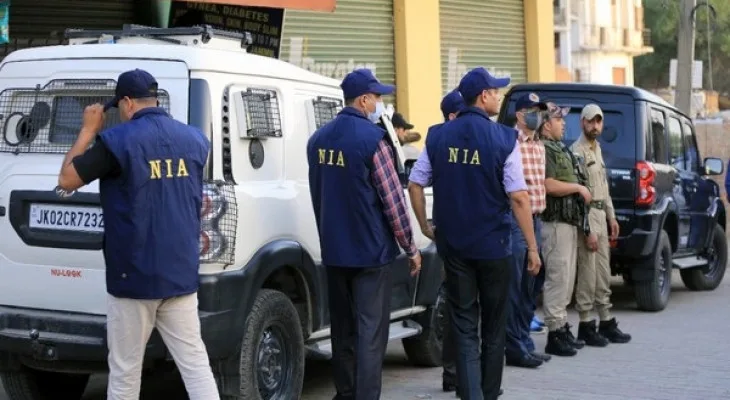
Dr. Adnanali Sarkar sentenced to six years for ISIS-related activities.
Conviction includes multiple sections of the UA (P) Act and IPC.
NIA investigation revealed a broader conspiracy involving international ISIS links.
In a landmark decision, the National Investigation Agency (NIA) has secured the conviction of Dr. Adnanali Sarkar in connection with the Maharashtra ISIS terror module case. The Special Court in Mumbai found him guilty under several provisions of the Unlawful Activities (Prevention) Act and the Indian Penal Code, sentencing him to six years of rigorous imprisonment along with a fine of Rs. 65,000.
The case, which was initiated by the NIA on June 28, 2023, stemmed from intelligence received from the Ministry of Home Affairs regarding a conspiracy orchestrated by ISIS members aimed at undermining India's unity and sovereignty. The investigation uncovered a complex web of international connections and foreign ISIS handlers, revealing that the accused were engaged in promoting extremist ideologies, recruiting members, and financing terrorist operations.
Dr. Sarkar was one of six individuals charged in this case, which included Tabish Nasser Siddiqui, Zulfikar Ali Barodawala (alias Lalabhai), Sharjeel Shaikh, Aakif Ateeque Nachan, and Zubair Noor Mohammad Shaikh (alias Abu Nusaiba). The special court has framed charges against all six individuals, who remain in judicial custody as the case progresses.
This conviction highlights the ongoing efforts of Indian authorities to combat terrorism and the threats posed by extremist groups like ISIS. The NIA's work in this case underscores the importance of vigilance and proactive measures in safeguarding national security.
Looking ahead, the NIA will continue to pursue the remaining accused and further investigate the international links uncovered during this case. The implications of this ruling may also influence future cases related to terrorism and extremist activities in India.