Discovery of Dicharax tilariensis Snail in Kolhapur
A new microscopic snail species, Dicharax tilariensis, has been identified in Maharashtra's Kolhapur district, highlighting the region's biodiversity.
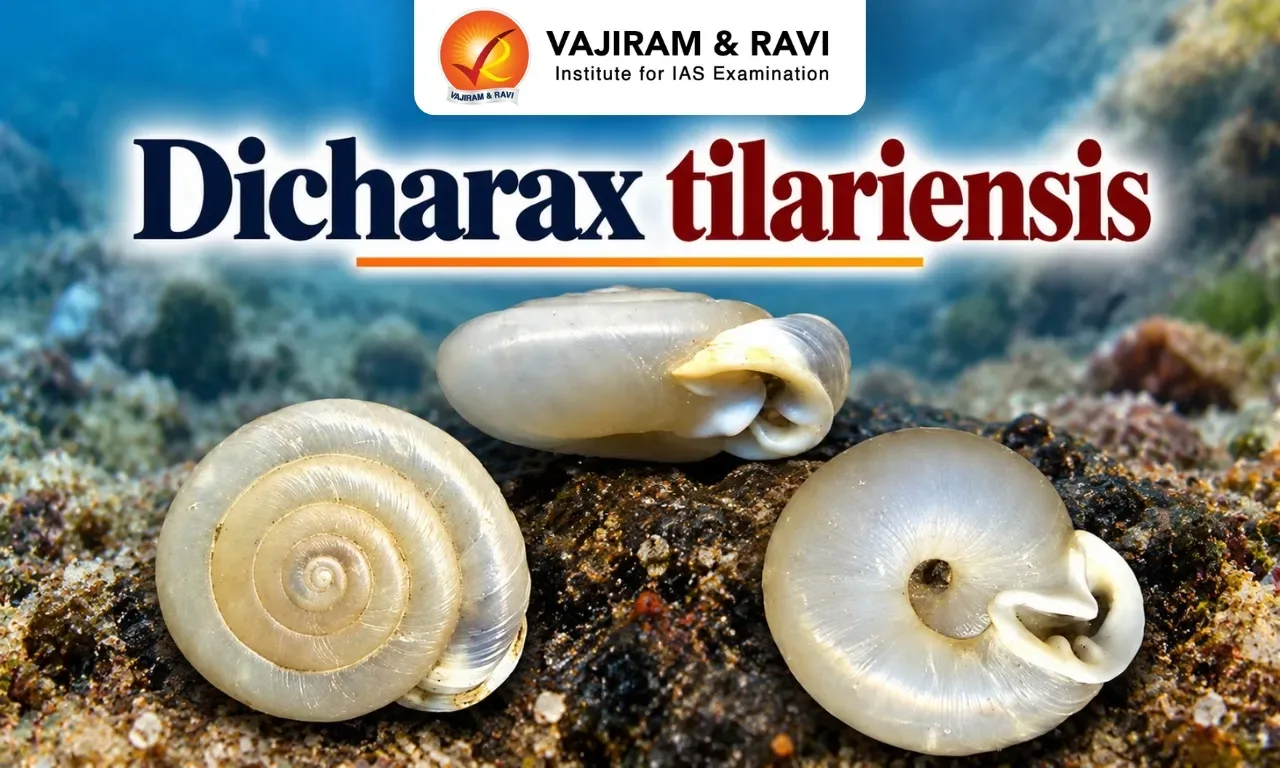
Dicharax tilariensis is a newly discovered microscopic land snail endemic to the Tilari region.
The snail inhabits semi-evergreen forests and features a distinctive whitish shell with pinkish or brownish hues.
This species is the second endemic member of its genus found in the northern Western Ghats.
Researchers have recently unveiled a new species of microscopic land snail, named Dicharax tilariensis, in the Tilari region of Kolhapur, Maharashtra. This discovery adds to the rich biodiversity of the area and emphasizes the importance of conservation efforts in the region.
Dicharax tilariensis is endemic to its discovery site, located near Swapnavel Point at an elevation of 700-800 meters above sea level. The snail thrives in the semi-evergreen forests of the Tilari region, where it occupies microhabitats among forest litter, decaying organic matter, and moist soil. This unique habitat is crucial for its survival and highlights the ecological significance of the area.
The newly identified snail measures between 4.21-4.87 mm in width and 3.01-3.52 mm in height. It is characterized by its elevated spire, distinctive rib patterns, and a sharp swelling on its shell. The coloration of the shell is primarily whitish, with pinkish or brownish tints, making it visually unique among other species. This discovery marks the second endemic species of the genus Dicharax found in the northern Western Ghats, underscoring the region's ecological diversity.
The identification of Dicharax tilariensis is significant not only for the scientific community but also for local conservation efforts. The presence of such endemic species indicates a healthy ecosystem, which is vital for maintaining biodiversity. Conservationists stress the need for protecting the Tilari region's forests to ensure the survival of this and other unique species.
Looking ahead, researchers aim to conduct further studies on Dicharax tilariensis to understand its ecological role and the specific environmental factors that support its habitat. The findings from this discovery could lead to enhanced conservation strategies in the Western Ghats, an area recognized for its rich biodiversity and ecological importance.