Bombay High Court Urges Maharashtra to Balance Development and Ecosystem
The Bombay High Court emphasizes the need for environmental protection amidst urban development, questioning the state's approach to tree plantation.
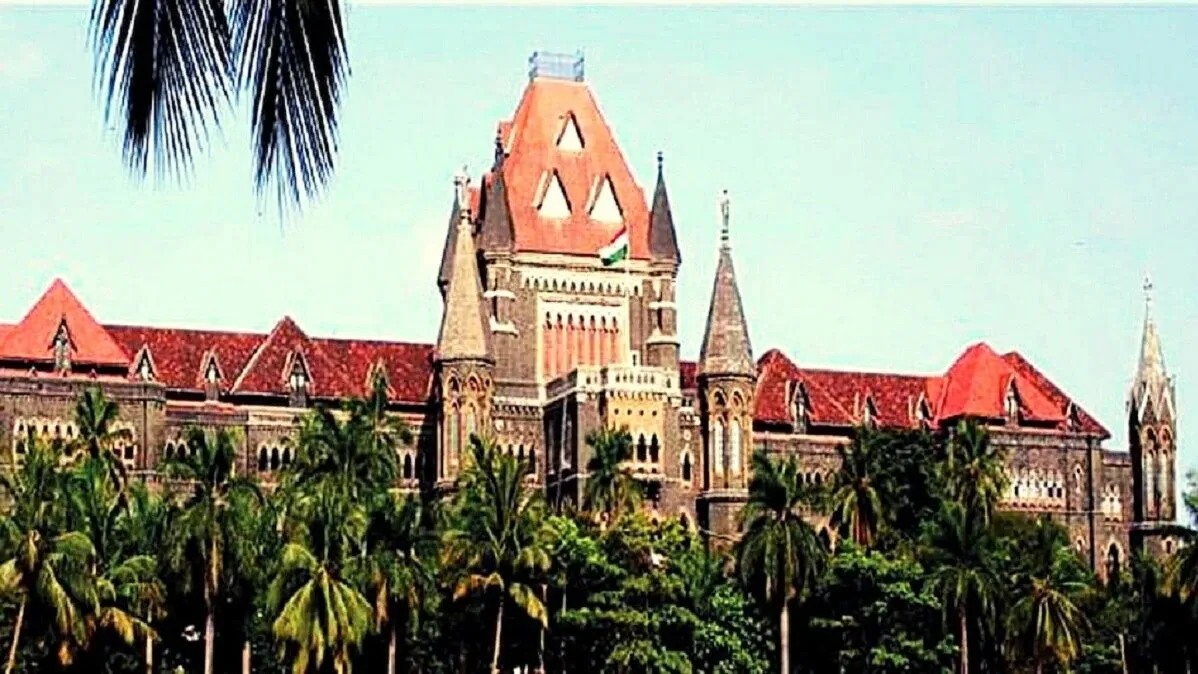
The court warns against treating tree plantation as a mere formality in development projects.
Maharashtra's MMRDA seeks to divert mangrove land for a transport project, raising ecological concerns.
Next hearing scheduled for November 30 to review environmental data and project impact.
The Bombay High Court has raised significant concerns regarding the ecological impact of development projects in Maharashtra, urging the state to prioritize environmental protection alongside urbanization. During a recent hearing, Chief Justice Mahesh Chandra Tripathi and Justice Advait Sethna criticized the Maharashtra government's approach to tree plantation, stating that it should not be treated as a mere bureaucratic formality when clearing green cover for infrastructure projects.
The court's remarks came in response to a petition from the Mumbai Metropolitan Region Development Authority (MMRDA), which requested permission to divert 0.2869 hectares of mangrove forest land for an 8.85-km elevated Automated Rapid Transit System in the Bandra-Kurla Complex. The area has been grappling with severe traffic congestion, prompting the need for this transport initiative. However, the court emphasized that any development must not come at the cost of the ecosystem.
The bench pointed out that simply planting saplings, which may not survive to maturity, does not fulfill the ecological responsibilities associated with development. The judges highlighted the importance of proactive afforestation efforts, stating that ecological restoration should not be an afterthought. "Why damage the ecosystem? The efforts of replantation have to be sincere and genuine," the court remarked, stressing that the ecological balance must be maintained even as development progresses.
In its petition, the MMRDA assured the court that no mangroves would be harmed, although six trees would be affected, with a commitment to plant 100 trees as compensation. However, the court questioned the timing of these compensatory measures, asking why they had not been initiated earlier in the project planning stages. The Maharashtra Advocate General cited challenges in finding suitable saline land for mangrove planting, emphasizing the need for careful planning to ensure sapling survival.
The court has mandated the state government to provide comprehensive data on green cover, losses, and sapling survival rates over the past five years before making a decision on the MMRDA's request. The next hearing is set for November 30, where the court will further evaluate the balance between development and environmental rehabilitation in Maharashtra's urban planning efforts.