Maharashtra Cabinet Endorses Private Aided Schools Bill 2026
The Maharashtra Cabinet has approved a new bill aimed at regulating private aided schools, focusing on teacher recruitment and student safety.
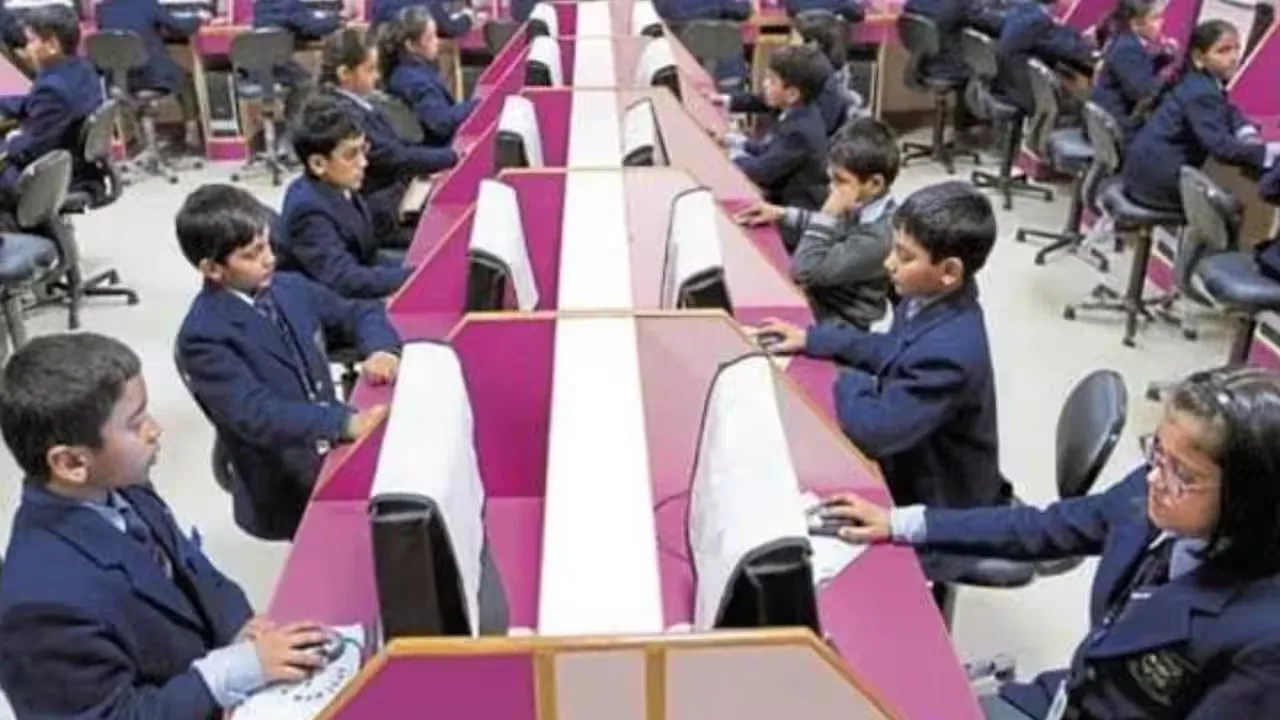
The Maharashtra Private Aided Schools (Regulation) Bill, 2026 aims to create a comprehensive framework for private aided schools.
The bill addresses gaps in existing laws and emphasizes transparent teacher recruitment and student safety.
Private aided schools account for 23% of all schools in Maharashtra, educating 47% of students.
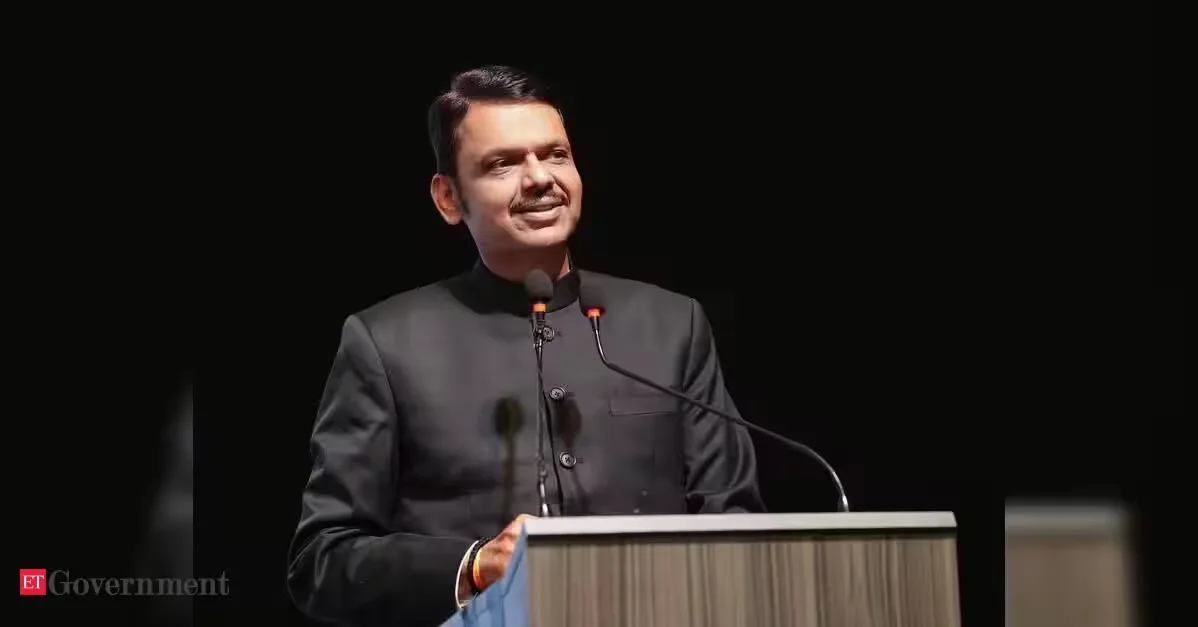
In a significant move, the Maharashtra Cabinet has approved the draft of the Maharashtra Private Aided Schools (Regulation) Bill, 2026, during a meeting led by Chief Minister Devendra Fadnavis. This bill is designed to establish a robust legal framework that will govern private aided schools throughout the state, enhancing their operational standards and accountability.
The introduction of this bill comes in response to the limitations of the existing 1977 Act, which has been the governing legislation for many privately aided schools in Maharashtra. School Education Minister Dada Bhuse highlighted that the new bill aims to rectify the absence of comprehensive regulations tailored specifically for these institutions, which are crucial in the state's educational landscape.
Currently, private aided schools represent 23% of all educational institutions in Maharashtra, catering to approximately 47% of the student population and employing around 37% of the teaching workforce. The government has identified several regulatory gaps in the existing framework, which includes various acts and codes that do not adequately address the unique challenges faced by these schools. The new bill seeks to unify these regulations into a single, coherent framework that encompasses school administration, teacher recruitment, financial management, and grievance redressal.
Key provisions of the bill focus on ensuring that the recruitment process for teachers is transparent and based on merit, while also safeguarding the rights and conditions of both teaching and non-teaching staff. Additionally, the bill proposes special recruitment measures for schools experiencing management disputes, thereby aiming to stabilize staffing in affected institutions. It also emphasizes the establishment of accountable management systems and enhanced safety measures for students, including the creation of school tribunals and grievance redressal committees to address violations.
While the Cabinet has approved the draft, the bill will now be presented to the State Legislature for further deliberation. The timeline for its introduction and the operational details of the proposed school tribunals and penalties for non-compliance remain unspecified. Stakeholders, including school managements, teachers' unions, and parents, are keenly awaiting the final provisions, particularly regarding funding, minority institutions, and staff service conditions.