Bombay High Court Demands Credentials from Petitioners Challenging Security Law
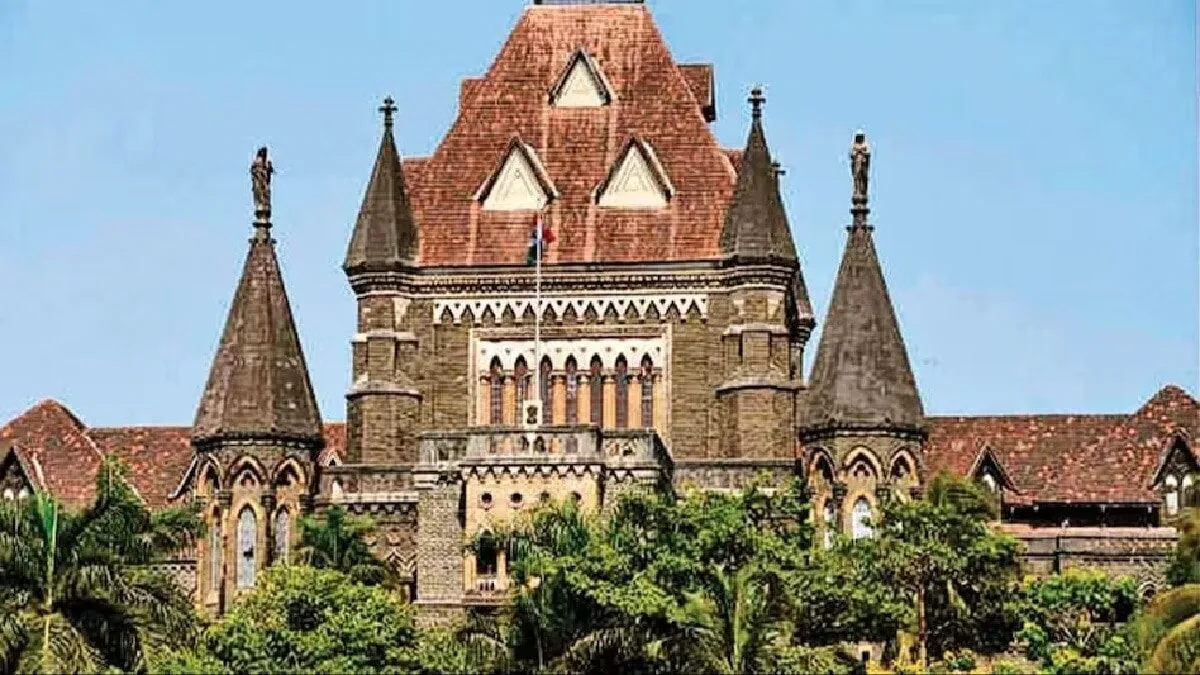
The Bombay High Court requires Congress and other petitioners to provide credentials before hearing their challenge against the Maharashtra Special Public Security Act.
The court has set a deadline of October 22 for petitioners to submit necessary documents.
The Maharashtra government argues that the petitioners have not demonstrated any specific legal grievance.
The state cites 64 Maoist front organizations in Maharashtra, justifying the need for the security law.
On Friday, the Bombay High Court instructed the Congress party, the All India Trade Union Congress (AITUC), and the People’s Union for Civil Liberties (PUCL) to provide their credentials before the court can consider their petitions against the Maharashtra Special Public Security Act. Chief Justice MC Tripathi and Justice Advait Sethna emphasized the need for the petitioners to submit registration certificates, details of current office-bearers, constitutions, and resolutions authorizing the petitions by October 22.
This directive follows the Maharashtra government's challenge to the petitioners' legal standing, arguing that they have failed to establish how the law has caused them specific grievances or legal injuries. During the proceedings, AITUC's senior advocate, Navroz Seervai, questioned the government's rationale for the law, pointing out contradictions in the state's claims regarding Naxalism. While the central government asserts that Naxalism has been eradicated, the Maharashtra government's affidavit cites an increase in Naxalism as justification for the legislation.
The court's request for credentials aims to clarify the petitioners' identities and objectives in challenging the law. Advocate General Milind Sathe reiterated the state's concerns regarding the petitioners' standing, while Seervai defended AITUC's historical significance, referencing its involvement in India's freedom movement. The court indicated that it would only consider the merits of the case after the petitioners provide the requested documentation.
In its defense, the Maharashtra government has argued that the Special Public Security Act is essential for addressing unlawful and extremist activities, citing data from the Union Home Ministry that identifies 64 Maoist front organizations operating in the state—the highest in India. This is in stark contrast to the numbers in other states, such as 29 in Telangana and 19 in Andhra Pradesh. The government contends that Maharashtra's large urban population has made it a hub for Maoist networks, necessitating specific legislation to combat these threats.
The petitioners contend that the law is excessively broad and grants the government sweeping powers to ban organizations and seize property without sufficient judicial oversight. However, the state has countered these claims, asserting that the Act strikes a balance between fundamental rights and the need for public order and national integrity. The government also refuted allegations of insufficient public consultation, stating that a joint committee reviewed over 15,000 objections before amending key terms and adding safeguards. The Act was passed by the Maharashtra Legislative Assembly in July 2025 and received Presidential assent in December of the same year.