Bollywood Musical 'Eetha' to Highlight Vithabai Narayangaonkar's Legacy
The upcoming film 'Eetha' celebrates the life of Vithabai Narayangaonkar, a legendary figure in Maharashtra's folk theatre, set to release on December 4.
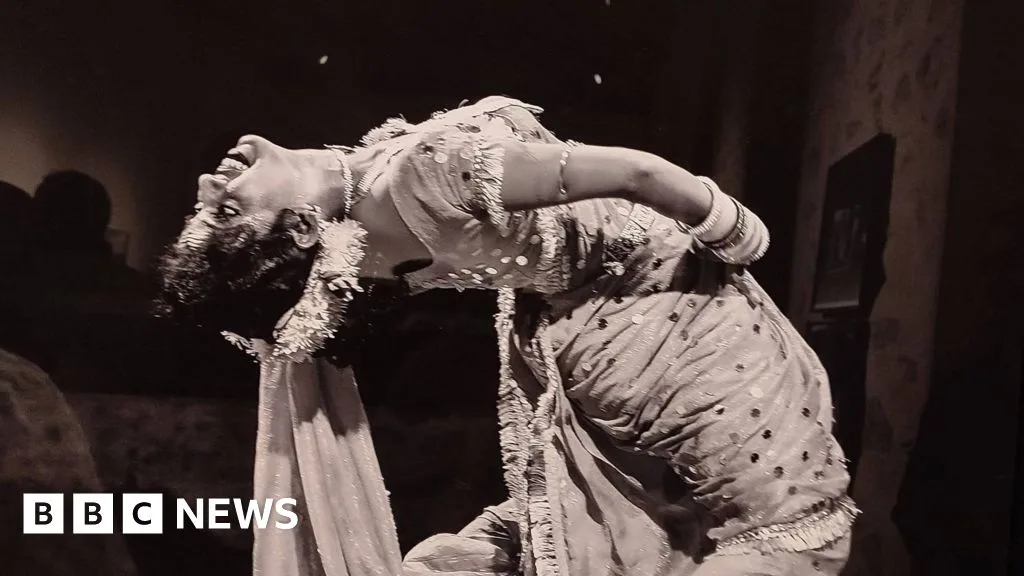
Vithabai Narayangaonkar, known as the 'Tamasha queen,' was a prominent folk artist in Maharashtra.
The film 'Eetha' is inspired by her life and will feature Shraddha Kapoor, who learned Lavani dance for the role.
Despite her fame, Vithabai faced significant financial struggles and advocated for the rights of Tamasha artists.
The legacy of Vithabai Narayangaonkar, a celebrated figure in Maharashtra's folk theatre, is set to be honored in the upcoming Bollywood musical 'Eetha,' scheduled for release on December 4. Vithabai, who earned the title of 'Tamasha queen,' captivated audiences for decades with her performances, even continuing to perform during significant personal events, such as the birth of her child. Her daughter, Mangala Bansode, recalls how Vithabai returned to the stage shortly after giving birth, showcasing her dedication to her craft.
Vithabai's journey in the world of Tamasha began at a young age, and she quickly rose to prominence, becoming a leading figure in a genre that combines music, dance, and drama. The film 'Eetha,' directed by Laxman Utekar, draws inspiration from Yogiraj Bagul's book about her life, aiming to capture the essence of Tamasha during its peak. Shraddha Kapoor, who stars as Vithabai, has undergone extensive training in Lavani dance, a traditional form integral to Tamasha performances. Kapoor noted that the experiences of Tamasha artists are filled with both joy and hardship, reflecting their complex lives.
Despite her immense talent and popularity, Vithabai faced significant challenges, particularly related to her financial situation. Her husband mismanaged the troupe's finances, leading to substantial debts that plagued her until her death in 2002. Vithabai was known for her efforts to advocate for the rights of Tamasha artists, including campaigning for government pensions, yet many of the issues she fought against continue to affect performers today. Her story is not just one of artistic achievement but also of resilience in the face of adversity.
The film 'Eetha' aims to introduce Vithabai's remarkable life to a new generation, although some critics have raised concerns about the portrayal of her identity, particularly regarding her caste. The decision to alter her name in the film has sparked debate about the importance of acknowledging her roots and the struggles faced by artists from marginalized communities. Nonetheless, her daughter expresses pride in the film's production, emphasizing the significance of celebrating Vithabai's contributions to the arts.
As 'Eetha' prepares for its release, it serves as a reminder of Vithabai Narayangaonkar's enduring legacy in Maharashtra's cultural landscape. The film not only honors her memory but also highlights the ongoing challenges faced by Tamasha artists, ensuring that her story continues to resonate with audiences across India.