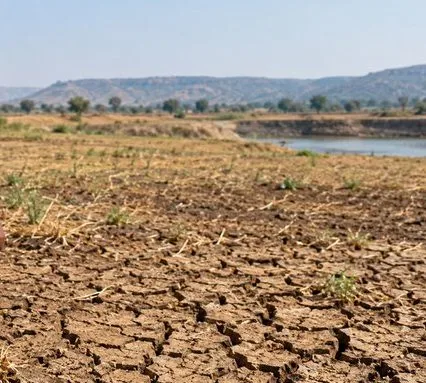
Drought in Maharashtra and Karnataka Raises Loan Stress Risks for PSBs
Severe drought conditions in Maharashtra and Karnataka may lead to increased agricultural loan stress for public sector banks.
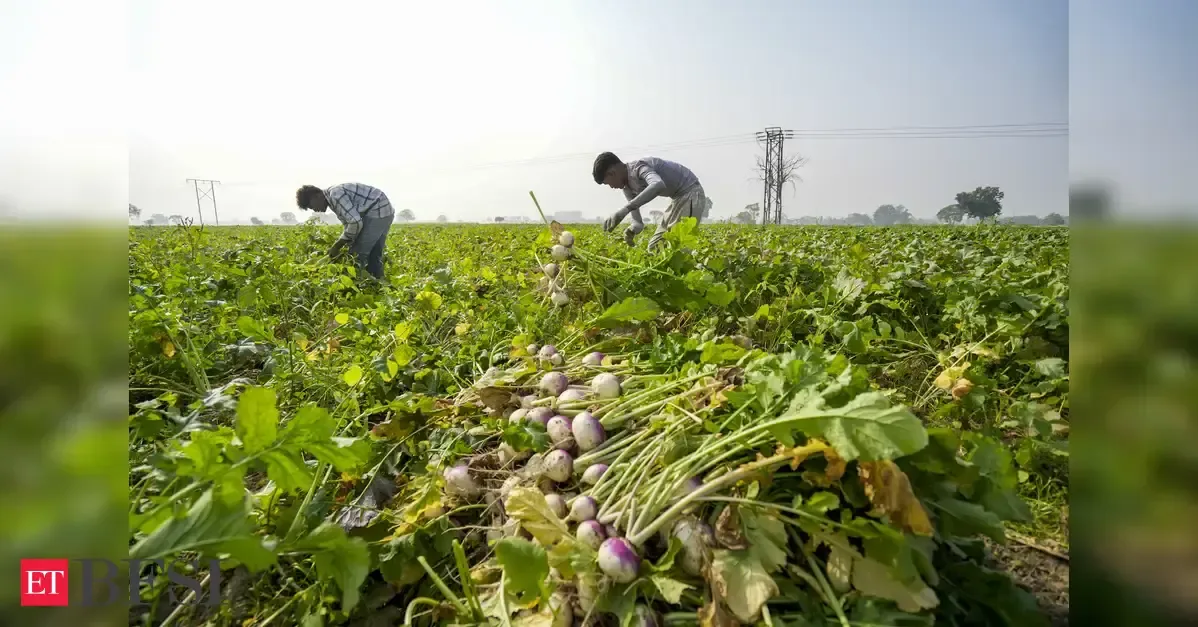
Public sector banks face heightened risks due to drought in key agricultural states.
Agricultural loan performance has remained stable, but potential restructuring looms.
Gold-backed loans now dominate agricultural lending portfolios amid shifting bank strategies.
The ongoing drought in Maharashtra and Karnataka is raising concerns about the potential for increased agricultural loan stress among public sector banks (PSBs). These states have declared drought across extensive areas, exacerbated by India's driest monsoon in over a decade, resulting in a rainfall deficit of approximately 13 percent. As a consequence, banks like Bank of Maharashtra and Canara Bank, which have significant exposure to the agricultural sector, are particularly vulnerable to financial strain.
Historically, the agricultural loan portfolio has shown resilience, with slippages remaining between 1-3 percent and a decline in gross non-performing assets (GNPAs) from 9-10 percent to around 5 percent in recent years. However, this improvement has not kept pace with the corporate sector. The small and marginal farmer segment has reported slippages below 2 percent, although GNPAs in this category are slightly elevated. The shift in lending practices has seen banks increasingly back agricultural loans with gold loans, moving away from traditional crop loans following previous microfinance crises.
Recent data indicates that nearly all incremental agricultural lending at several banks, including Bank of Maharashtra and Indian Bank, was secured by gold. In fact, gold loans now constitute 25-75 percent of agricultural loan portfolios at most PSBs, while smaller private banks report even higher percentages. Additionally, banks like Indian Bank and Union Bank of India have also increased their exposure to self-help groups (SHGs), which have maintained strong asset quality.
In response to the drought, the State Level Bankers' Committee (SLBC) has proposed a restructuring framework for affected regions. However, requests for restructuring have been minimal thus far, with the State Bank of India estimating a potential upper limit of around Rs 10,000 crore for such measures. Analysts from ICICI Securities predict a 1-4 percent impact on FY27 earnings per share if about 35 percent of crop loans are restructured, with banks expected to set aside provisions of 15 percent.
As the situation develops, banks are closely monitoring the agricultural landscape, with existing risk mitigants in place. Nevertheless, the primary concern remains that financial stress could extend beyond crop loans, affecting the broader agricultural and rural economy. The historical precedent suggests that state governments may intervene to alleviate agricultural distress, as seen in Maharashtra's recent efforts.