BJP Secures Control of Gokul Dairy Amid Controversial Election
The BJP's recent electoral maneuvering in Kolhapur's Gokul Dairy raises questions about democratic integrity and political influence.
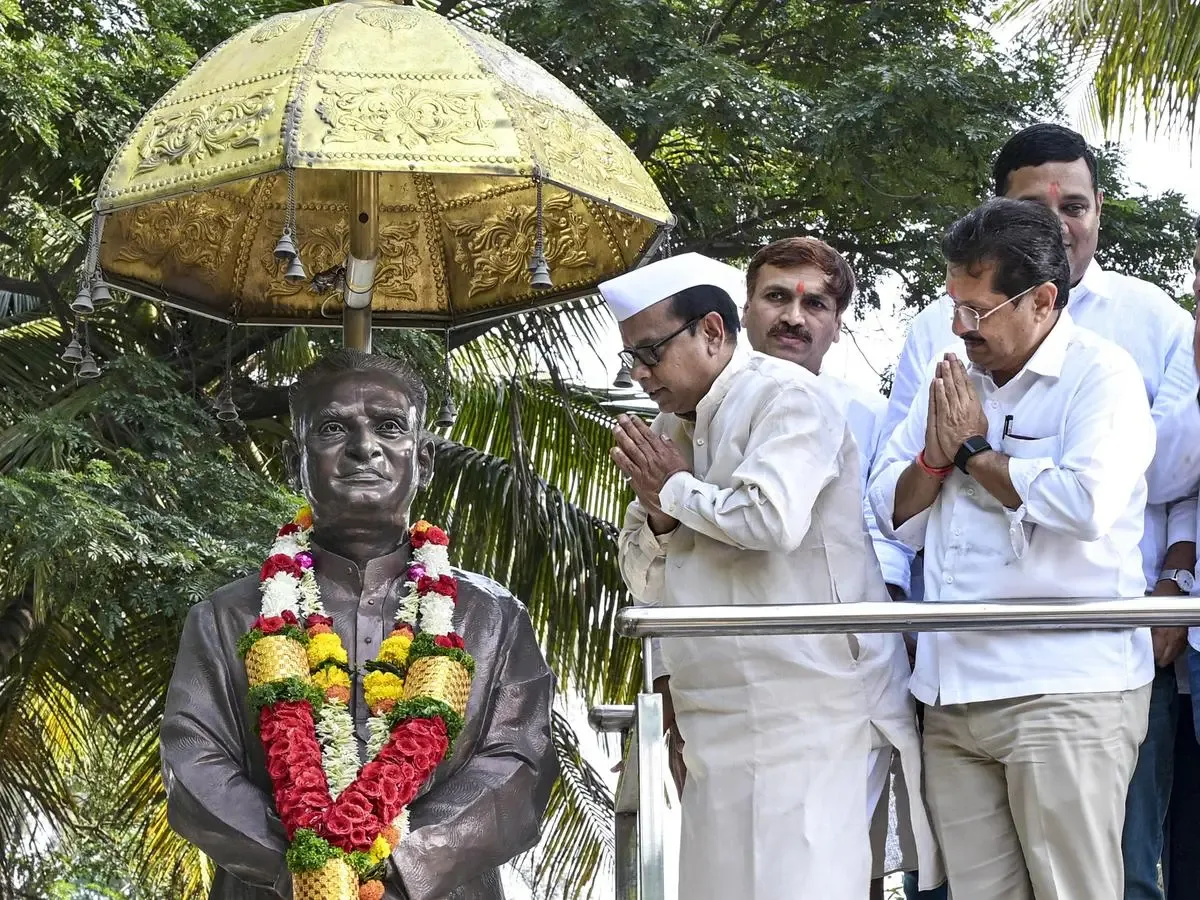
BJP-backed panel wins Gokul Dairy chairmanship amid allegations of manipulation.
A new ordinance allowed government-appointed directors to vote, shifting electoral power.
The election outcome is seen as a strategic move to control a significant cooperative linked to 5.5 lakh farmers.
In a contentious election held on November 10, the BJP-backed panel claimed victory in the Gokul Zilla Sahakari Dudh Utpadak Sangh, Maharashtra's largest dairy cooperative. This election has drawn significant scrutiny due to allegations of manipulation and subversion of democratic processes. The cooperative, which connects approximately 5.5 lakh farmers, reported a provisional turnover of Rs. 4,185 crore for the fiscal year 2025-26.
The backdrop to this election is marked by a previous board election on October 19, where a panel led by Congress MLC Satej Patil secured 13 of the 25 seats, while the BJP-led panel won 12. However, complications arose during the election for the board chairman, as Gokul's bylaws required a quorum of 14 members. On the day of the election, all 12 members from the BJP-backed panel chose to abstain, effectively blocking the election of Patil's candidate.
In response to this impasse, the Bombay High Court intervened, ordering a new election on November 10. However, just days prior, the Maharashtra government enacted an ordinance allowing five government-appointed directors to participate in the voting process, fundamentally altering the electoral landscape. This change enabled the BJP's candidate, Rajesh Patil, to win with 16 votes, compared to the Congress-backed candidate's 13, thus consolidating BJP's influence over the cooperative.
The implications of this election extend beyond Gokul Dairy itself, as it holds significant sway over the agricultural community in Maharashtra. Analysts suggest that controlling Gokul allows the BJP to strengthen its ties with the farming electorate, which is crucial in a state where cooperative institutions have historically played a pivotal role in politics. Critics argue that this maneuver reflects a broader strategy by the BJP to undermine democratic norms and assert control over influential local institutions.
Looking ahead, the political landscape in Maharashtra may continue to evolve as the ramifications of this election unfold. The BJP's actions have sparked widespread debate about the integrity of cooperative governance and the future of political alliances in the region. As the opposition mobilizes against these developments, the dynamics of power in Maharashtra's cooperative sector will likely remain a focal point in upcoming political discussions.