Five Maharashtra Districts Identified as Flash Drought Hotspots
A new study highlights five districts in Maharashtra facing rapid flash droughts, raising concerns for farmers ahead of the monsoon.
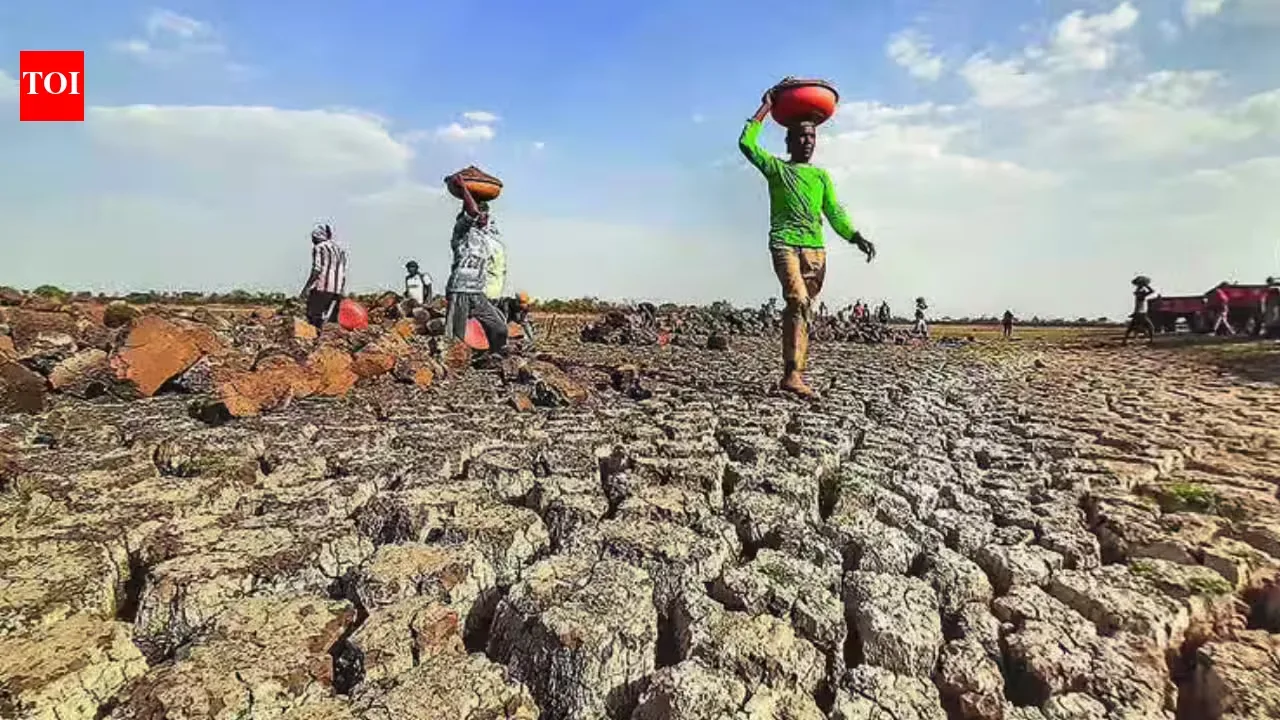
Ahilyanagar, Beed, Dharashiv, Sangli, and Solapur are identified as the most vulnerable to flash droughts.
Flash droughts can develop within weeks, contrasting with traditional droughts that take months.
Monitoring soil moisture and temperature is crucial for early warning systems.
A recent scientific study has pinpointed five districts in Maharashtra as critical flash drought hotspots, raising alarms for agricultural stakeholders. The districts—Ahilyanagar, Beed, Dharashiv, Sangli, and Solapur—are particularly susceptible to rapid shifts from normal moisture levels to severe dryness, especially as the 2026 monsoon season ended 13% below normal levels. This rapid change poses significant risks for farmers and local administrations, who may not have adequate time to implement necessary contingency measures.
The research, conducted by Vikas Poonia and Deepika Yadav from the Maulana Azad National Institute of Technology (MANIT) in Bhopal, analyzed weather patterns across all 36 districts in Maharashtra over a 44-year period. The findings, published in the journal Physics and Chemistry of the Earth, revealed that the identified districts experienced the most severe flash drought episodes, with soil dryness worsening by six to nine percentile points every eight days. This rapid deterioration is alarming compared to other regions in the state, where the decline was generally below six points.
The study highlights that flash droughts are most likely to occur during the pre-monsoon weeks when temperatures are high, but rainfall has not yet arrived. During this critical period, these districts recorded an average of 20 flash drought events, with some lasting up to 40 days. This seasonal vulnerability is particularly concerning following the deficient monsoon of 2026, which is crucial for the predominantly rainfall-dependent agriculture in Maharashtra.
Researchers noted that while rainfall deficits typically initiate flash droughts, high temperatures and dry atmospheric conditions exacerbate the situation. For instance, in Solapur, a combination of insufficient rainfall and elevated temperatures led to significant moisture loss. The study also pointed out that while some wetter eastern districts experienced flash droughts, they were generally less severe, indicating a geographically concentrated risk rather than a uniform deterioration across the state.
To bolster preparedness, the researchers recommend utilizing tools like IIT Bombay's KrishiDrought.in portal, which offers weekly agricultural drought forecasts. This platform could help farmers and district authorities in vulnerable areas identify developing dry spells early. The authors emphasize the importance of integrating comprehensive monitoring systems into local drought preparedness and climate-resilient farming strategies, especially as El Niño conditions may lead to a hotter and drier pre-monsoon period in 2027.