1,000 Women Farmers in Sindhudurg Embrace Innovative Rice Method
In Maharashtra's Sindhudurg district, a collective of women farmers adopts the System of Rice Intensification, significantly boosting yields.
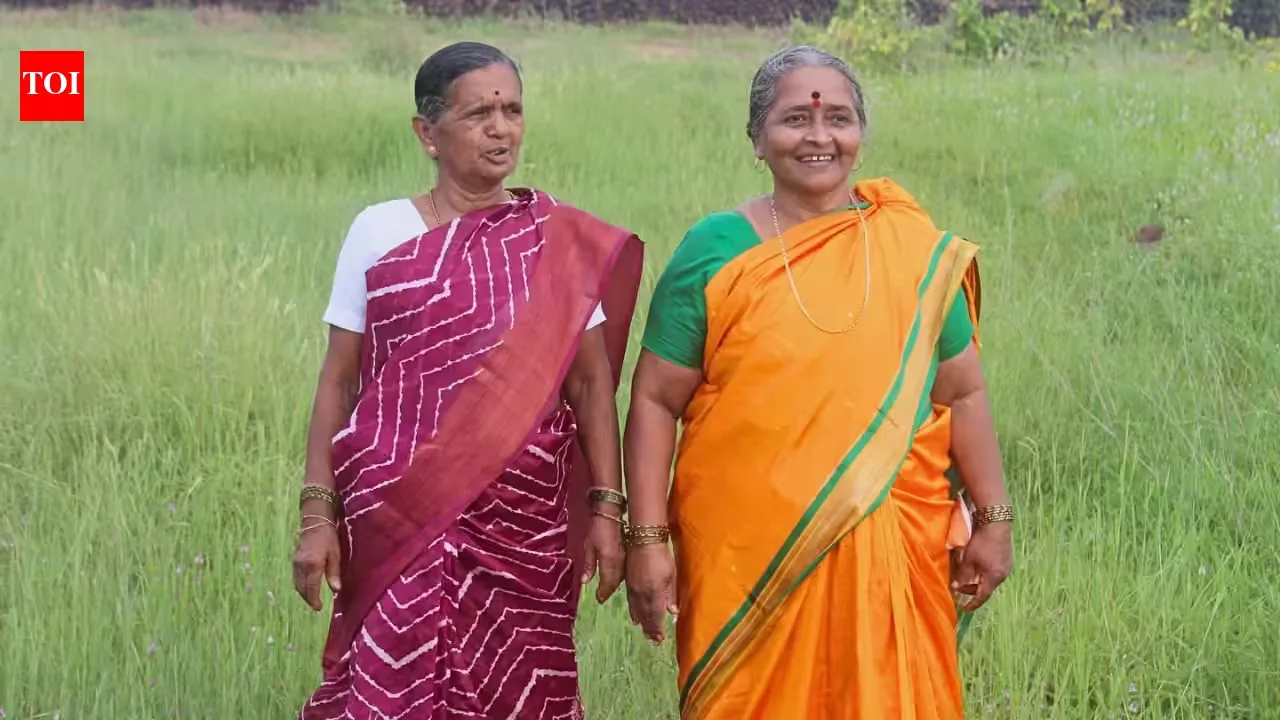
1,000 women farmers across 25 villages in Sindhudurg have adopted the System of Rice Intensification (SRI).
The new method has led to an average yield increase of 58%, from 34.9 kg to 55.2 kg per 100 square meters.
Women farmers are overcoming labor shortages and rising costs by collaborating and utilizing innovative farming techniques.
In a transformative initiative, 1,000 women farmers from 25 villages in Maharashtra's Sindhudurg district have adopted the System of Rice Intensification (SRI), a method that has led to remarkable improvements in rice yields. This shift comes as traditional farming practices face increasing challenges, including labor shortages and rising costs of inputs like fertilizers. The collective effort is spearheaded by local women, including Supriya Gawade and Kavita Manjrekar, who have been involved in rice cultivation for decades.
The decision to switch to SRI was driven by the difficulties these women faced in their farming endeavors. Supriya and Kavita, both 65, have experienced firsthand the physical demands of rice farming, which often falls heavily on women. With the rising costs of labor and unpredictable rainfall patterns, they sought a more efficient method. The UNDP report highlights that under SRI, farmers can achieve an average yield of 55.2 kg per 100 square meters, compared to just 34.9 kg from traditional methods, marking a significant 58% increase.
SRI involves planting single, younger seedlings spaced apart, which allows for better growth and nutrient management. This method has shown promising results in Sindhudurg, with farmers reporting an average of 20 to 25 tillers per plant, compared to six to twelve in conventional farming. The Indian Council of Agricultural Research has also noted the potential benefits of SRI, including substantial increases in grain yield and water savings.
The transition to SRI was not without its challenges. Initially, many women were skeptical about the effectiveness of planting fewer seedlings. However, through community meetings and hands-on guidance from project workers, they began to understand the benefits of the new method. The farmers organized themselves into groups to assist one another, sharing labor and resources, which has fostered a strong sense of community and collaboration.
As the Kharif season progressed, the advantages of SRI became increasingly evident. The method proved resilient against the rainfall deficits associated with El Niño, allowing for better water and nutrient access for the crops. The collective's success has not only improved their yields but has also encouraged other families to contribute their unused land, expanding their farming efforts. Looking ahead, these women are set to continue refining their practices and potentially scaling their operations further, demonstrating the power of innovation in agriculture.