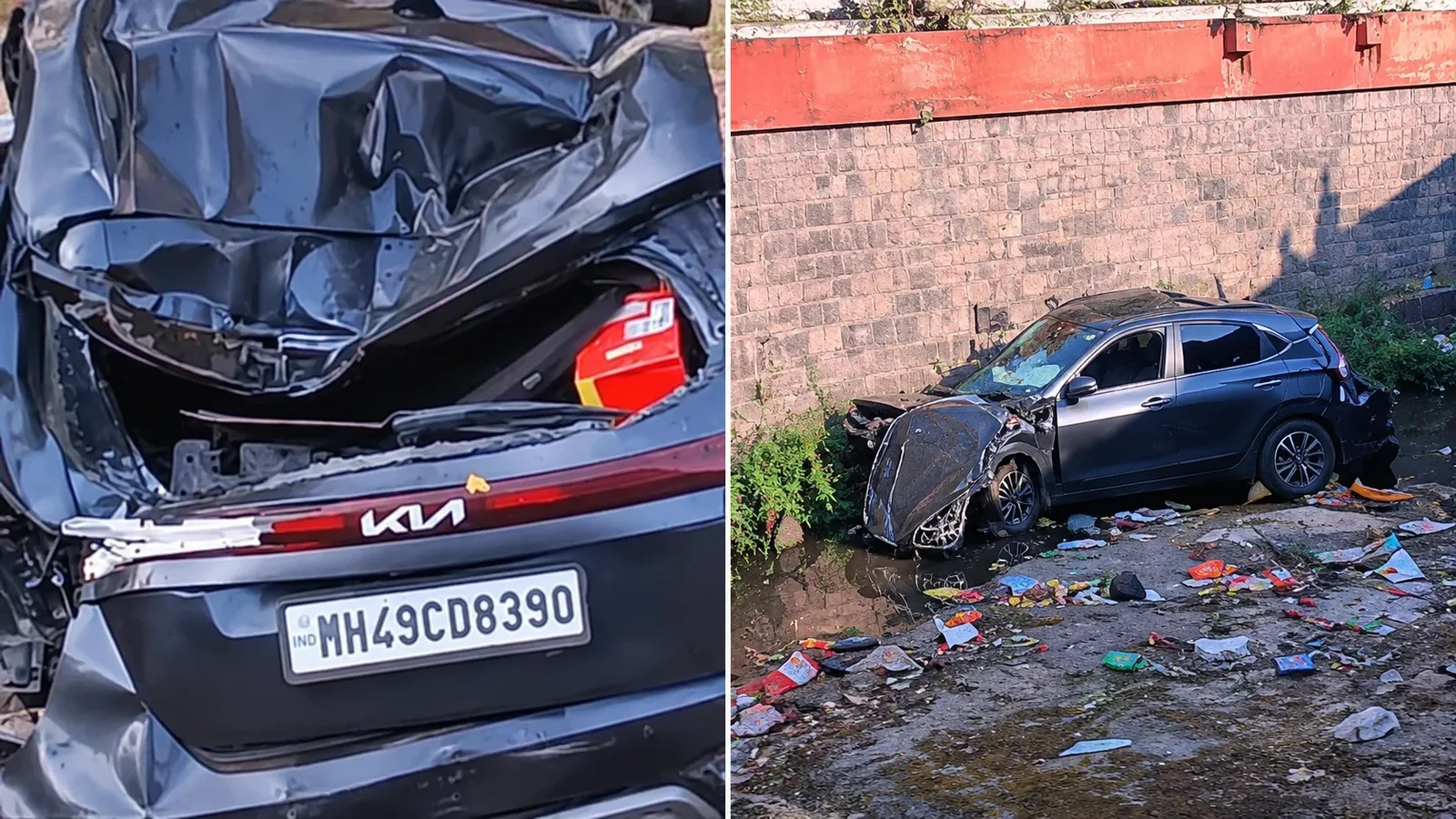
Nagpur's Road Safety Initiatives Stalled by Bureaucratic Inaction
Despite Justice Sapre's directives, road safety measures in Nagpur face significant enforcement challenges.
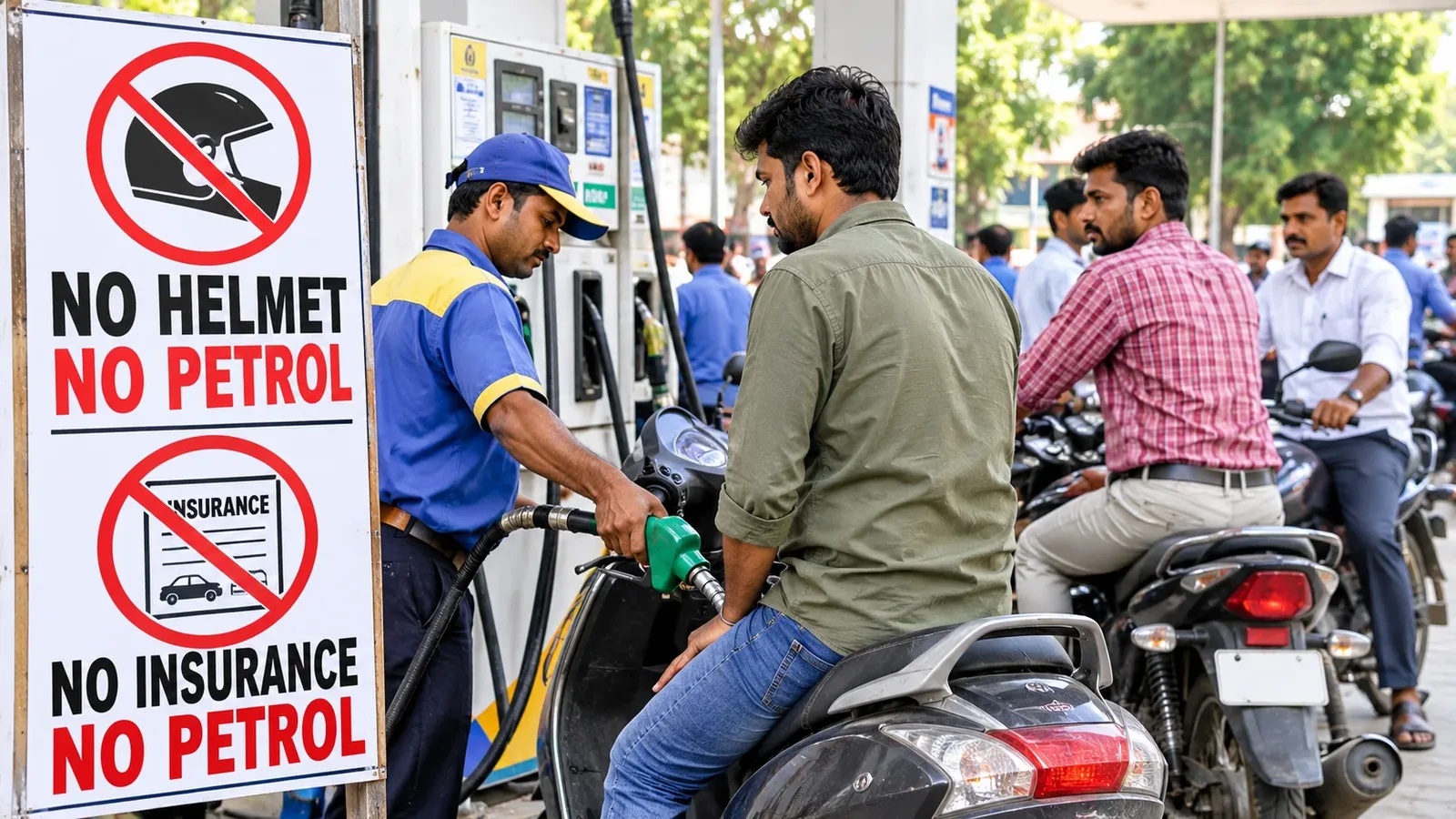
Justice Sapre's safety measures lack effective implementation.
Nagpur recorded 224 road fatalities this year, showing mixed trends.
Authorities struggle to balance awareness campaigns with immediate enforcement.
In Nagpur, recent road safety measures mandated by Justice Abhay Sapre, chairperson of the Supreme Court Committee on Road Safety, have encountered significant bureaucratic hurdles. Following his directives aimed at reducing the alarming rate of road accidents, the city's reality reveals a persistent failure in administrative enforcement. Proposed initiatives such as 'No Helmet, No Petrol' and 'No Insurance, No Petrol' have yet to be effectively implemented, with many petrol station employees reporting a lack of guidance from authorities.
A survey of various locations across Nagpur indicates that two-wheeler riders are still able to refuel without wearing helmets, undermining the intended safety protocols. Government offices, including the Regional Transport Office (RTO) and Nagpur Municipal Corporation (NMC), have also failed to enforce these measures, allowing helmetless riders to enter freely. This lack of compliance raises questions about the effectiveness of official directives when even the institutions responsible for enforcing them do not adhere to their own rules.
At the RTO, a sign warns against entering without a helmet, yet riders continue to disregard this notice, confident that no action will be taken against them. The traffic police have attributed the delay in enforcement to a focus on public education prior to implementing strict measures. A senior officer indicated that outreach programs are being planned to inform citizens about the new regulations, with promises of forthcoming instructions for petrol station operators.
However, the pressing question remains: why has there been no visible preparation for these safety measures, especially given the critical nature of road safety? Awareness campaigns should not serve as a justification for administrative inaction, particularly when violations are evident in public spaces and government premises. The urgency of the situation is highlighted by Nagpur's troubling accident statistics, which show 224 fatalities from January to October this year, a slight decrease from 253 during the same period last year. Despite this overall decline, several police jurisdictions have seen an increase in fatalities, particularly on the city's most dangerous roads.
Justice Sapre's recommendations include mandatory helmet use for all two-wheeler riders and the development of a compliance application for government employees linked to attendance. These measures aim to institutionalize road safety responsibilities rather than leaving them solely to individual motorists. The success of these initiatives hinges on coordinated efforts among traffic police, the RTO, petrol station operators, educational institutions, and government departments. Currently, Nagpur faces a troubling contradiction: while officials acknowledge the risks and display warnings, enforcement remains lax, allowing violators to operate unchecked. Without decisive action beyond discussions and awareness initiatives, Justice Sapre's road safety efforts risk becoming yet another set of well-meaning directives lost in bureaucratic delays.