Nagpur's Ambulance Response Delayed by Call Routing Issues
Emergency calls for ambulances in Nagpur are routed through Pune, causing critical delays in response times for accident victims.
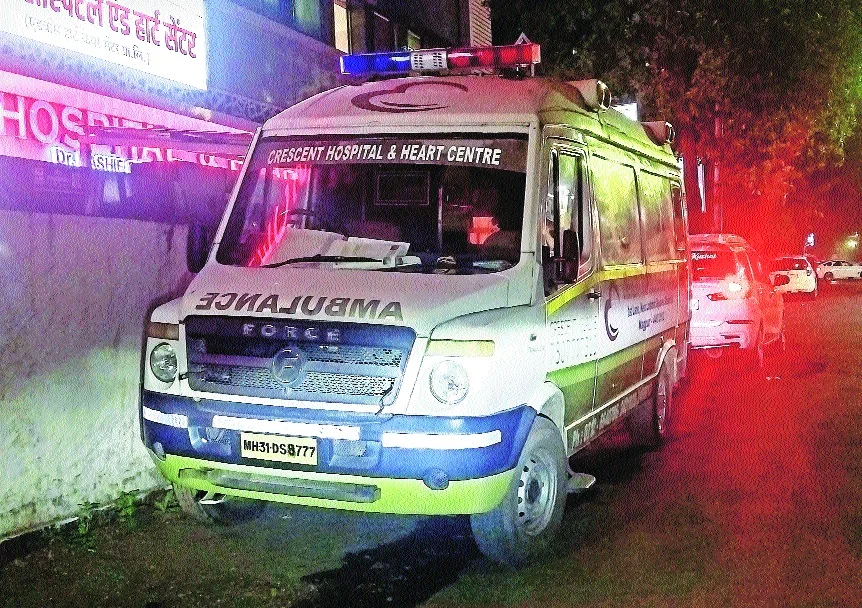
Nagpur lacks a local emergency call center for ambulances, leading to delays.
Victims may wait up to 30 minutes due to repeated explanations during call transfers.
The Road Mark Foundation highlights the need for a centralized control system to improve response times.
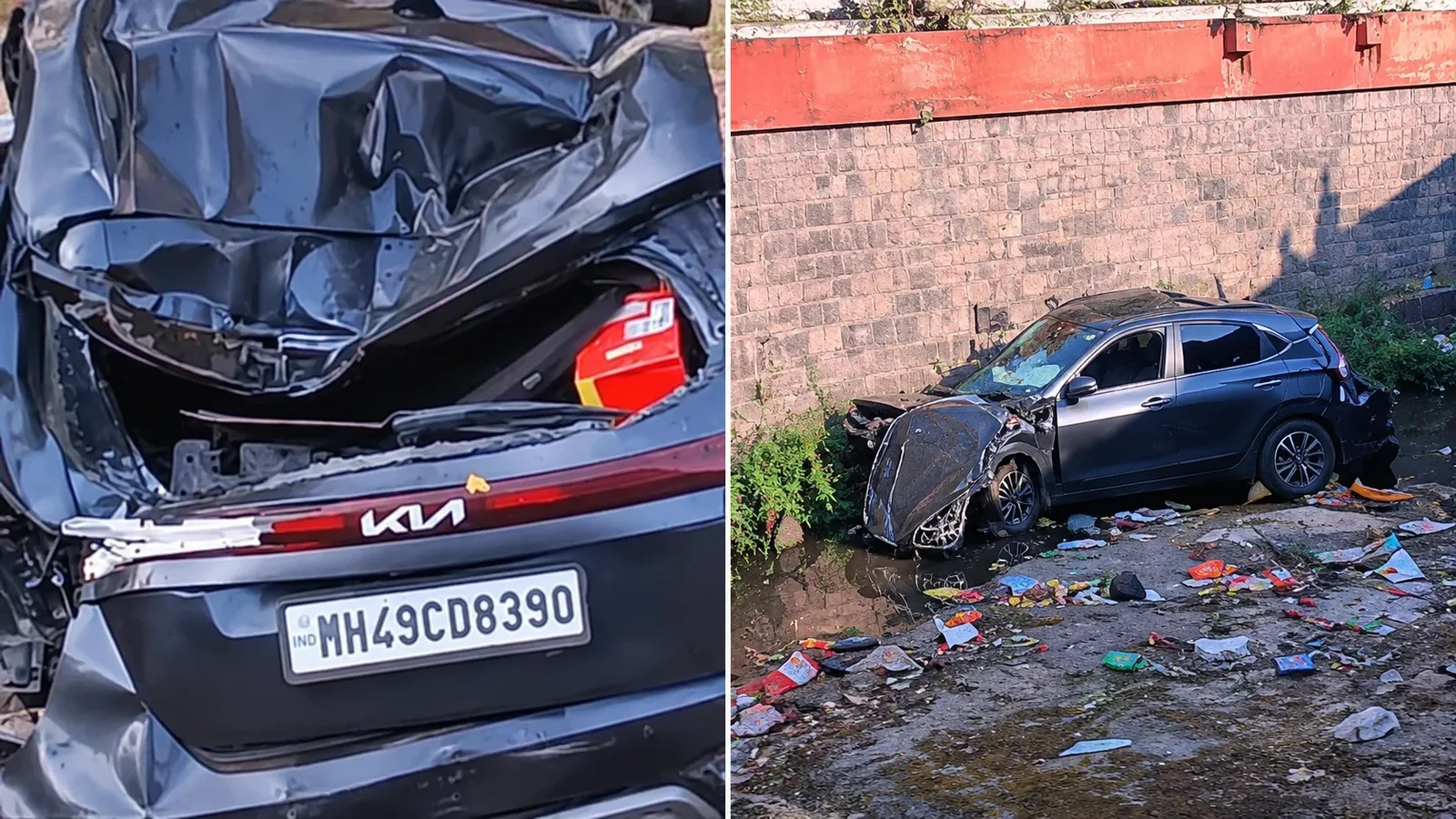
In Nagpur, emergency calls for ambulance services are routed through Pune, significantly delaying response times for accident victims. When a bystander calls for help, the request is first sent to Pune before being redirected to a local center, requiring the caller to repeat critical information about the accident location and the victim's condition. This convoluted process can result in delays of up to 30 minutes, which is particularly alarming during the 'Golden Hour' when timely medical intervention is crucial for survival.
Raju Wagh, founder of the Road Mark Foundation, has raised serious concerns regarding the absence of a dedicated emergency call center in Nagpur. He emphasizes that the current system forces callers to relay information multiple times as the call is transferred between different centers, which can serve various areas including Umred Road and Hingna Road. This inefficiency not only frustrates callers but also jeopardizes the health of the injured individuals who require immediate medical attention.
Despite Nagpur having 40 ambulances under the State’s 108 Maharashtra Emergency Medical Services (MEMS) network, including advanced and basic life support vehicles, the lack of a streamlined dispatch system renders these resources ineffective. Wagh suggests that a GPS-enabled mechanism should be implemented to automatically share the caller’s location with the nearest available ambulance, thereby eliminating the need for repeated explanations and reducing the overall response time.
The implications of these delays are severe, as many individuals resort to arranging private transport or autorickshaws to take injured victims to hospitals, which can be dangerous for those needing urgent medical care. The Road Mark Foundation, which has been active in road safety since 2001, has reportedly assisted around 9,000 accident victims and saved over 600 lives, underscoring the critical need for a more efficient ambulance response system.
Looking ahead, it is imperative for local authorities to consider establishing a centralized control center that can enhance coordination among ambulance services. Such a system could significantly reduce response times and ensure that victims receive timely medical assistance, thereby improving survival rates in emergency situations.