Nagpur Reports 62 Dengue Cases in Just 15 Days
A recent spike in dengue infections in Nagpur raises health alarms as 62 cases are reported within a fortnight.
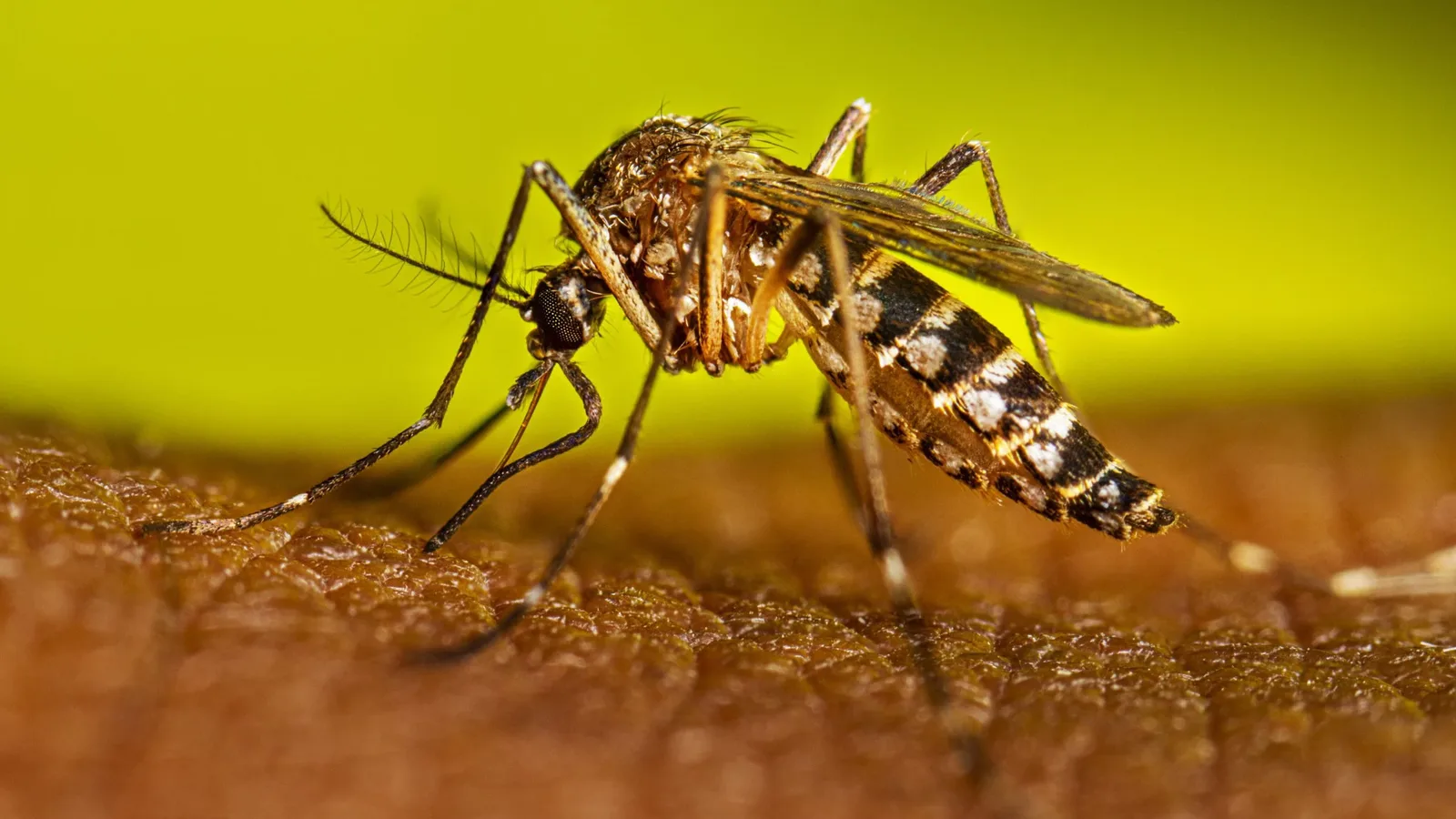
Nagpur has recorded 62 dengue cases in 15 days, totaling 162 since January.
Stagnant water and unclean air coolers are identified as major breeding grounds for mosquitoes.
Health officials emphasize the importance of recognizing severe symptoms and seeking timely medical care.
Nagpur has seen a concerning rise in dengue infections, with 62 new cases reported over the last 15 days. This surge has prompted significant public health concerns as the city grapples with rising temperatures and conditions conducive to mosquito breeding. The Nagpur Municipal Corporation (NMC) has noted that the total number of dengue cases since January has reached 162, although actual figures may be higher due to underreporting from private healthcare facilities.
The increase in dengue cases is attributed to several factors, including the use of air coolers and stagnant water in various household and construction sites. As temperatures rise, many residents have turned to air coolers for relief, but if these devices are not maintained properly, they can become breeding grounds for mosquitoes. Additionally, water accumulation in containers, tanks, and construction sites poses a significant risk, necessitating regular inspections and prompt action to eliminate stagnant water.
Health officials are urging residents to take preventive measures to combat the spread of dengue. This includes cleaning air coolers regularly, covering water storage containers, and ensuring that no water accumulates around homes. Furthermore, residents are advised to wear protective clothing, use mosquito repellents, and install screens on windows to reduce mosquito entry. Dr. Milind Vyavahare from GMCH has highlighted the importance of recognizing severe symptoms of dengue, which may develop even after fever subsides, and has called for increased public awareness regarding these warning signs.
The rising dengue cases underscore the need for collective action from both civic authorities and the public. Regular inspections for mosquito breeding sites and public health campaigns are critical to preventing further infections. Residents are encouraged to act proactively rather than waiting for case numbers to escalate before implementing preventive measures.
Looking ahead, the NMC plans to intensify its awareness campaigns and monitoring efforts to curb the spread of dengue. The focus will be on educating the community about the risks associated with stagnant water and the importance of maintaining cleanliness in their surroundings. As the situation evolves, timely medical intervention and community vigilance will be essential in managing the outbreak effectively.