Nagpur Municipal Corporation Pauses ₹900-Crore Road Projects Due to Water Crisis
The Nagpur Municipal Corporation has halted cement road projects worth ₹900 crore amid severe water shortages caused by low rainfall.
NMC suspends ₹900 crore road projects due to water scarcity.
Lowest rainfall in Nagpur in 18 years prompts caution.
Authorities warn against water wastage as conservation efforts intensify.
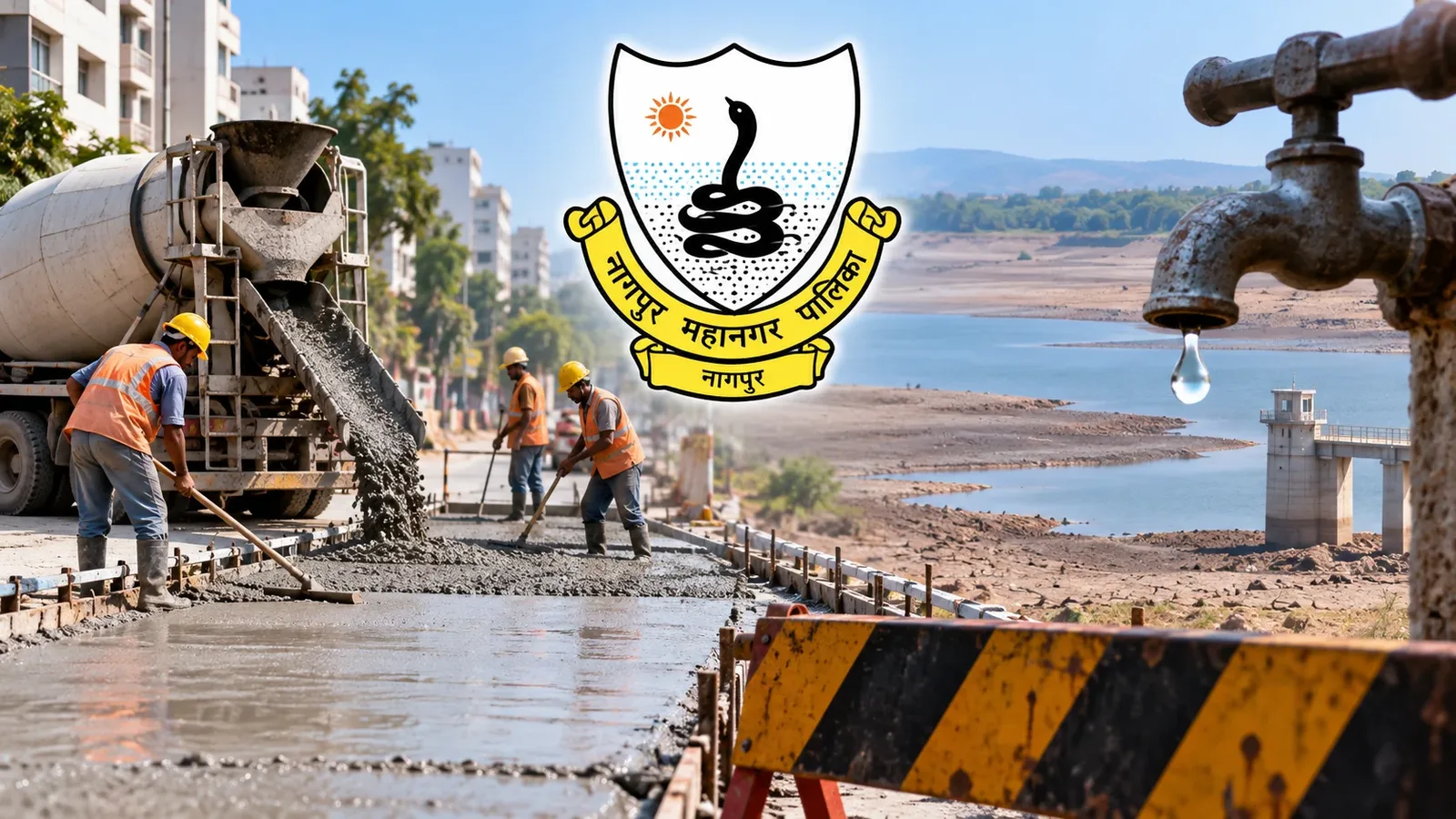
NAGPUR: The Nagpur Municipal Corporation (NMC) has announced a temporary suspension of its cement concrete road projects, which are valued at around ₹900 crore. This decision comes in response to escalating concerns regarding water shortages in the region, attributed to insufficient rainfall this year.
The affected projects are part of the fifth phase of the city's road concretisation initiative, which was initially set to cover 135 roads. However, following input from local MLAs and corporators, this number was expanded to 265, with plans to concretise roads extending over 900.22 kilometers. The NMC's decision reflects a shift in focus towards water conservation, prioritizing the management of water resources over immediate infrastructure development.
This year, Nagpur district has experienced its lowest rainfall in nearly two decades, leading to water levels in local dams dropping to approximately 58%. This alarming situation has prompted the NMC to take precautionary measures regarding water usage. The civic body has also issued warnings about potential penalties for water wastage, emphasizing the need for responsible consumption as they navigate the current crisis.
The halt in road construction projects underscores the NMC's commitment to ensuring adequate drinking water supplies for residents. The administration is keen to manage the existing water reserves carefully, indicating that road works will remain on hold until the water situation improves sufficiently to allow for their resumption.
Looking ahead, the NMC will continue to monitor rainfall patterns and water levels closely. The future of the road projects will depend heavily on the region's ability to replenish its water resources, with the civic body poised to reassess the situation as conditions evolve.