Nagpur Gears Up for the Historic Marbat Festival
The Marbat festival, a blend of tradition and community spirit, is set to take place on September 11 in Nagpur.
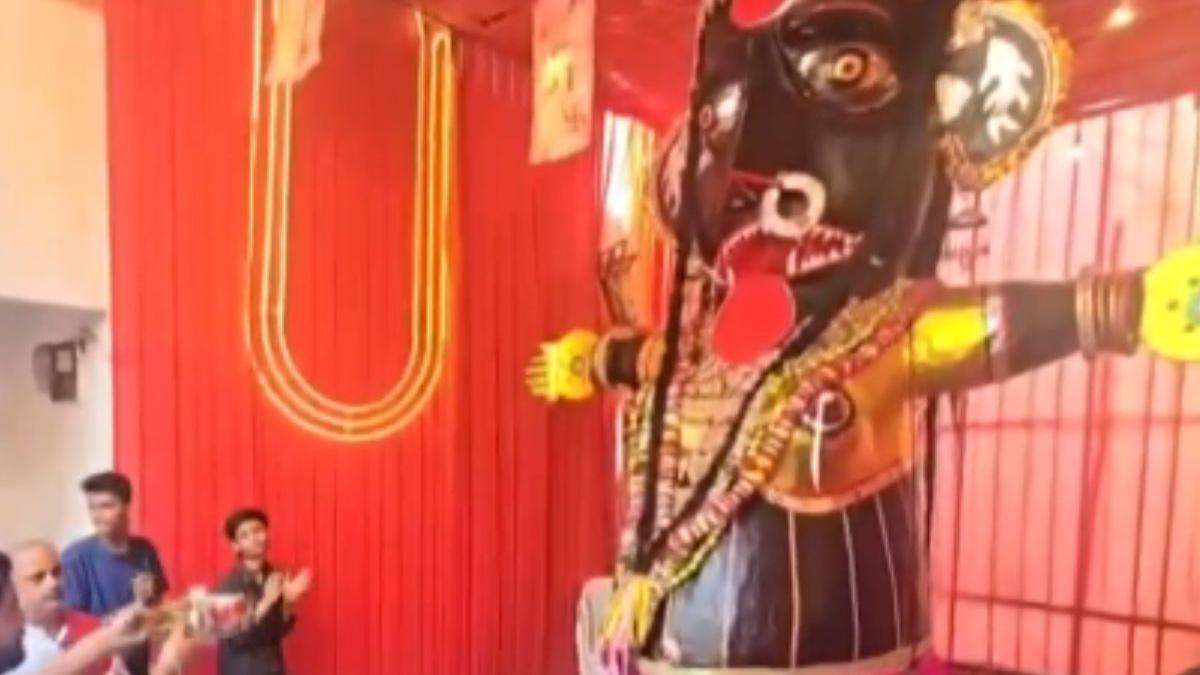
The Marbat festival has roots in local folklore and history.
It features two main effigies, Kali Marbat and Pili Marbat, symbolizing resistance and community.
This year's celebration is expected to draw large crowds, continuing a century-old tradition.
Nagpur is poised to celebrate its iconic Marbat festival on September 11, a significant event that intertwines faith, history, and public expression. This festival, which takes place during Tanha Pola, is a continuation of a century-old tradition that has evolved over time, reflecting the community's resilience and spirit.
The origins of the Marbat festival can be traced back to local historical events and folklore. The Kali Marbat tradition began in 1881 as a form of protest against Bakabai, the sister of the Bhosale king, who collaborated with the British colonial powers. Her effigy was created and burned as a symbol of public dissent. In contrast, the Pili Marbat was introduced in 1885 as a clever response to British restrictions on public gatherings during the freedom struggle, allowing the community to express their unity and resistance.
These effigies are not just historical artifacts; they are steeped in mythology as well. They are associated with the legend of Putana, a figure defeated by Lord Krishna. In contemporary celebrations, Putana is revered as a maternal figure and goddess, embodying the festival's dual purpose of honoring tradition while serving as a voice against injustice and raising social awareness.
The upcoming festival is expected to attract large crowds, reflecting the enduring significance of the Marbat tradition in Nagpur. This event not only celebrates local culture but also reinforces community bonds, making it a vital part of the city's identity.
As the festival approaches, preparations are underway to ensure a successful celebration. Local authorities and community leaders are coordinating efforts to manage the expected influx of attendees, ensuring that the event remains a safe and joyous occasion for all participants.