Avaada Group Plans Major Solar Manufacturing Expansion in Nagpur
Avaada Group is set to transform Nagpur into a comprehensive solar manufacturing hub, proposing significant investments and infrastructure developments.
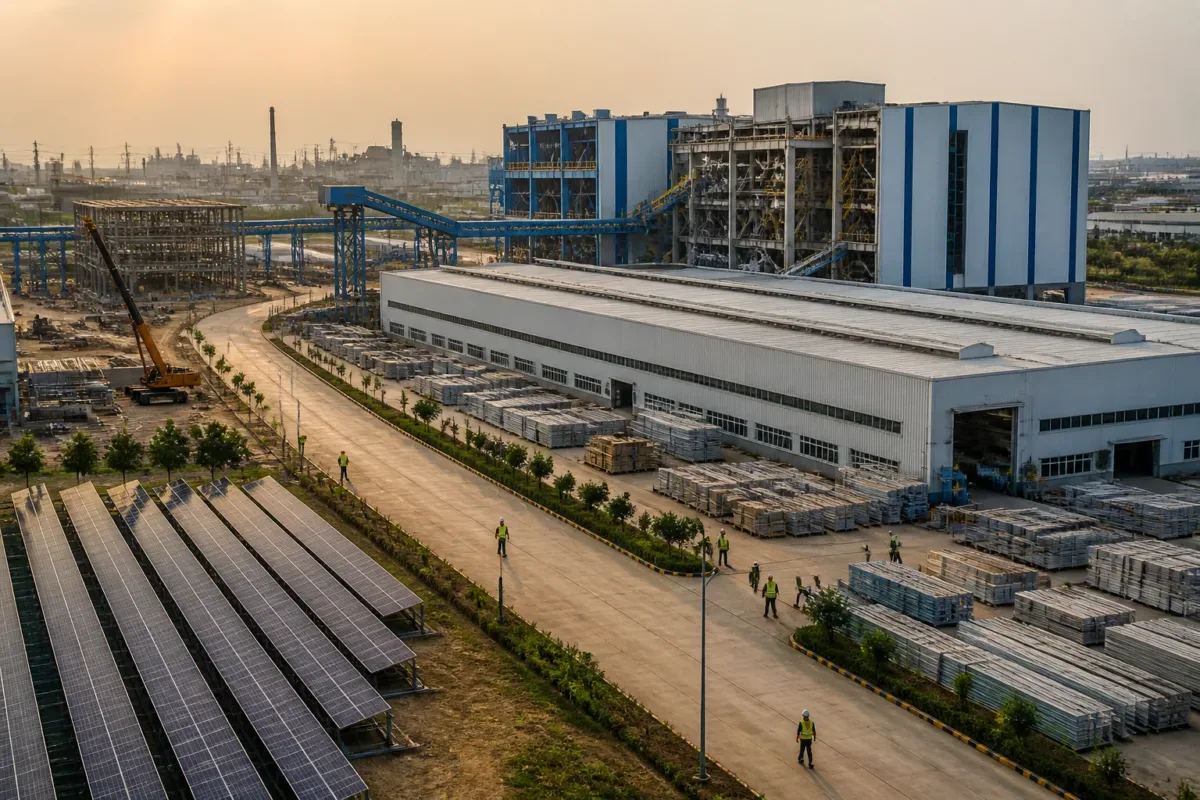
Avaada aims to create an integrated solar manufacturing plant in Butibori, Nagpur, within two years.
The proposed green methanol plant could involve an investment of ₹20,000 crore, contingent on state policy support.
Current operations include 7.2 GW of solar cell capacity and ongoing construction of a solar glass facility.
Avaada Group has unveiled plans to establish a comprehensive solar manufacturing facility in Nagpur, with a focus on creating an integrated clean-energy ecosystem. The company intends to expand its Butibori operations by adding solar glass, silicon ingots, and wafers, aiming for completion within the next two years. Chairperson Vineet Mittal emphasized the goal of producing everything from raw materials to finished solar modules on-site, positioning Nagpur as a central hub for solar energy production.
Historically, Nagpur has been recognized for its potential in solar energy, but Avaada's ambitious plans mark a significant shift towards a fully integrated manufacturing model. Currently, the company operates 7.2 GW of solar cell capacity and 7 GW of solar module capacity in the region. The construction of a solar glass plant is already underway, with expectations for it to be operational within a year, while additional facilities are projected to be completed by 2028.
The proposed expansion is not just about increasing production capacity; it also aims to enhance logistics efficiency. By co-locating various manufacturing stages at Butibori, Avaada plans to streamline operations and reduce transportation needs between facilities. This integrated approach is expected to lower costs and improve the overall efficiency of the solar supply chain, although specific estimates regarding savings and infrastructure requirements have not been disclosed.
The implications of this expansion extend beyond the immediate manufacturing capabilities. By linking its operations to future opportunities in green hydrogen and other renewable products, Avaada is positioning Nagpur as a key player in the clean energy sector. The proposed green methanol plant is particularly noteworthy, with an estimated investment of ₹20,000 crore, which would require policy support from the Maharashtra government to move forward.
Looking ahead, the success of Avaada's plans will depend on various factors, including regulatory approvals, construction timelines, and the establishment of necessary infrastructure. The company has indicated that it is committed to developing a robust industrial ecosystem in Nagpur, but the realization of this vision will require collaboration with state authorities and a clear framework for policy support. As developments unfold, the focus will be on how effectively the proposed manufacturing capabilities can be integrated with public planning and infrastructure development in the region.