World Stroke Day 2026: Key Insights for Families on Stroke Recovery
Understanding stroke recovery is crucial for families supporting survivors. Here are six essential insights to aid the recovery process.
Recovery timelines vary significantly among stroke survivors.
Rehabilitation is vital, involving therapies tailored to individual needs.
Caregivers must recognize emotional changes and know emergency signs.
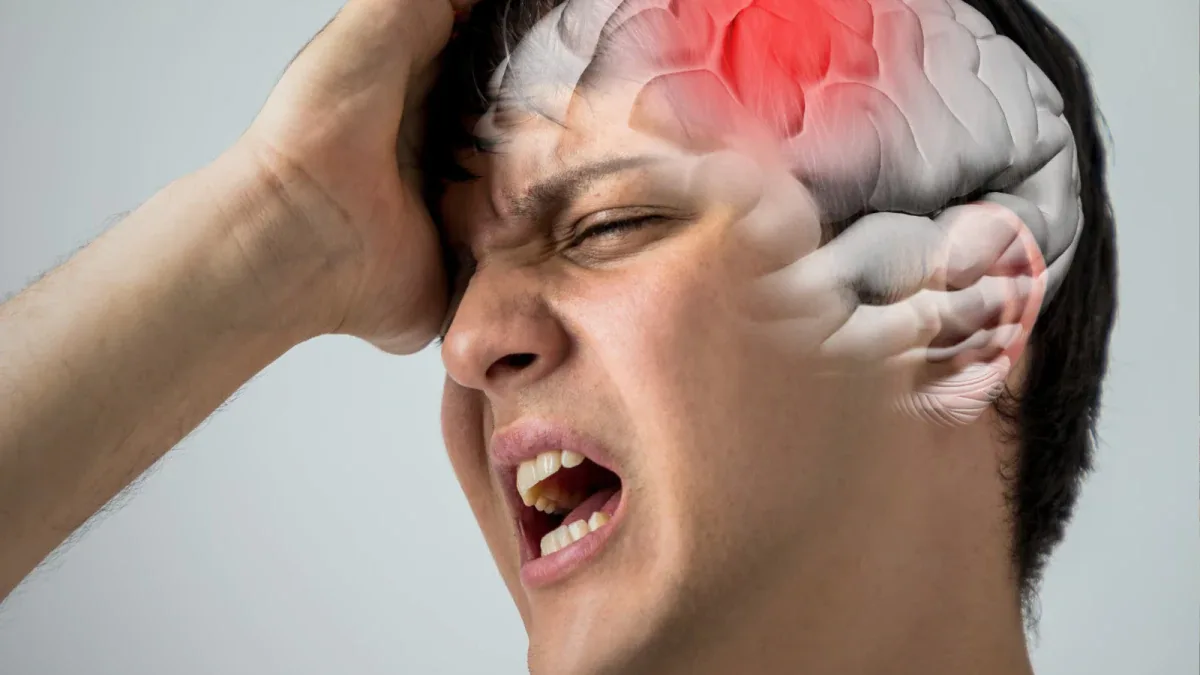
As World Stroke Day 2026 approaches, families are reminded of the critical role they play in the recovery of stroke survivors. A stroke occurs when blood flow to the brain is disrupted, leading to potential impairments in movement, speech, and emotional health. The recovery journey can be arduous, often requiring extensive support from family members who help navigate daily challenges and medical care.
The recovery process is highly individualized; there is no standard timeline. Some individuals may regain abilities in a matter of weeks, while others may require months or even years of rehabilitation. Factors influencing recovery include the stroke's severity, the specific brain regions affected, and the survivor's overall health. Families are encouraged to maintain realistic expectations, celebrate incremental progress, and foster independence while providing necessary assistance.
Rehabilitation plays a pivotal role in recovery, encompassing various therapies such as physiotherapy, occupational therapy, and speech therapy. These therapies are designed to enhance physical abilities and facilitate the relearning of daily tasks. Families should adhere to the rehabilitation team's guidance and refrain from attempting unapproved exercises, ensuring that the survivor's recovery is safe and effective.
Creating a safe home environment is essential for stroke survivors, who may face mobility challenges. Families can reduce fall risks by removing obstacles, improving lighting, and ensuring that frequently used items are easily accessible. Occupational therapists can offer tailored recommendations to enhance safety and mobility, helping survivors navigate their homes more comfortably.
Emotional and cognitive changes following a stroke require attention as well. Survivors may experience a range of psychological effects, including anxiety and memory issues. Family members should practice patience, provide reassurance, and encourage open communication. Recognizing the signs of another stroke is equally important; families should be vigilant for symptoms like sudden weakness or difficulty speaking and seek emergency help immediately if these occur. By understanding these critical aspects of stroke recovery, families can significantly improve the support they provide to their loved ones.