Dr. Kinzie Norris Advocates for Early Breast Cancer Detection
Early detection of breast cancer significantly improves treatment outcomes, says Dr. Norris, urging women to prioritize regular screenings.
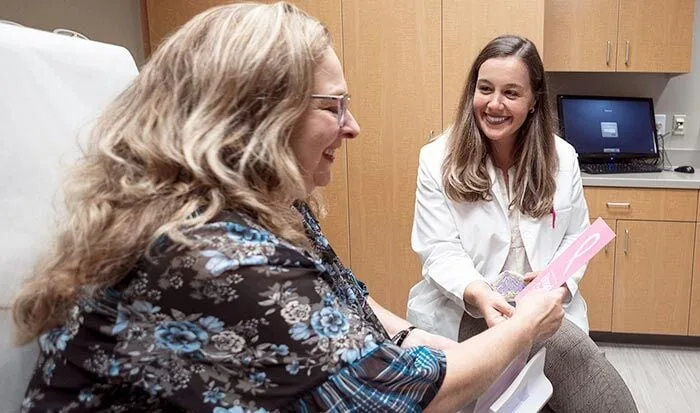
Dr. Norris emphasizes the importance of annual mammograms starting at age 40.
A formal breast cancer risk assessment is recommended by age 25.
Lifestyle choices can help reduce breast cancer risk.
Dr. Kinzie Norris from Faith Health Breast Care in Norfolk has highlighted the critical role of early detection in breast cancer treatment, stating that it can significantly enhance survival rates. She urges women to prioritize regular mammograms and to be vigilant about any unusual changes in their breasts. Norris points out that while advancements in treatment have improved outcomes, early detection remains essential for effective intervention.
According to Dr. Norris, women at average risk should begin annual mammograms at the age of 40. She recommends utilizing three-dimensional mammography for better results. Importantly, there is no upper age limit for mammograms, and women in good health with a life expectancy of ten years or more should continue with yearly screenings. Additionally, she advises that a formal breast cancer risk assessment should be conducted by age 25, taking into account family medical histories and other risk factors.
Dr. Norris explains that women with a lifetime breast cancer risk of 20% or more, those with inherited genetic mutations, or those who have undergone chest radiation during their youth may require earlier screenings. She emphasizes the need for personalized screening strategies rather than a one-size-fits-all approach. Furthermore, while family history can influence risk, many diagnosed women do not have a family history of breast cancer, making regular screenings vital for all women starting at age 40.
The implications of Dr. Norris's recommendations extend beyond individual health; they highlight the importance of awareness and education regarding breast cancer. Lifestyle choices, such as maintaining a healthy weight, staying active, and limiting alcohol intake, can also contribute to reducing breast cancer risk. Dr. Norris encourages women to adopt healthy habits and to be informed about the signs of breast cancer, which can include lumps, skin changes, or unusual discharge.
Looking ahead, Dr. Norris stresses the importance of consistent screenings and personal vigilance in detecting breast cancer early. She advises women to seek immediate medical attention if they notice any concerning changes, regardless of recent mammogram results. Access to timely care remains a challenge, particularly for women in rural areas, but programs like Nebraska’s Every Woman Matters aim to provide necessary resources for screenings. Women with questions about breast health can reach out to Faith Health Breast Care for support.