World Spine Day Highlights Risks of Long Commutes and Poor Posture
On World Spine Day, doctors warn that long commutes and poor posture contribute to back and neck pain among professionals.
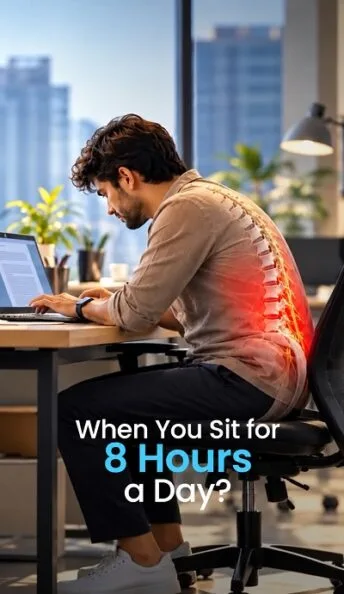
Long daily commutes can worsen spinal discomfort.
Poor posture during work increases the risk of back pain.
Early intervention is crucial for managing recurring pain.
Hyderabad, 16 October 2026: As World Spine Day is observed, medical professionals at CARE Hospitals are emphasizing the detrimental effects of long commutes and poor posture on spinal health. With many individuals spending hours navigating through Hyderabad's congested traffic and enduring bumpy rides on damaged roads, the risk of developing back and neck pain is significantly heightened, especially for those already suffering from spinal issues.
The issue of low back pain is a pressing public health concern in India, affecting a wide demographic, including younger adults who may not typically associate their discomfort with prolonged sitting or inadequate physical activity. Doctors highlight that the combination of lengthy commutes and extended periods of desk work can lead to increased muscular strain and exacerbate existing spinal conditions. Repeated jolts from potholes and uneven surfaces particularly impact two-wheeler riders, while car drivers may experience stiffness due to prolonged sitting without proper lumbar support.
Dr. Randhir Kumar, a senior consultant at CARE Hospitals, notes that the strain often begins before professionals even reach their workplaces. He emphasizes that while these commuting challenges may not directly cause severe spinal diseases, they can aggravate pre-existing conditions. He advises that persistent pain affecting daily activities should not be overlooked, as it can lead to more significant health issues if left unaddressed.
In addition to commuting challenges, the rise of sedentary lifestyles among IT professionals, who frequently work long hours on laptops, poses additional risks. Poor posture during extended screen time can lead to neck and back pain, a concern that is also mirrored in children who spend excessive time on mobile devices. Doctors recommend regular physical activity, posture correction, and adequate sleep support to mitigate these risks.
Looking ahead, healthcare professionals urge individuals to adopt healthier habits to prevent spinal issues. This includes maintaining proper posture while sitting, taking regular breaks during work, and encouraging children to engage in outdoor activities. They stress the importance of early intervention for recurring pain, advising that symptoms such as numbness or weakness in the limbs warrant immediate medical attention. As World Spine Day serves as a reminder of these health risks, CARE Hospitals encourages everyone to prioritize spinal health and seek timely medical advice when needed.