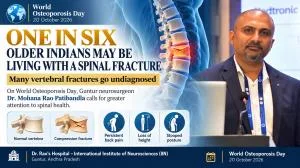
World Osteoporosis Day: Prioritize Bone Health Before Age 50
As World Osteoporosis Day approaches on October 20, experts urge early attention to bone health to prevent fractures.
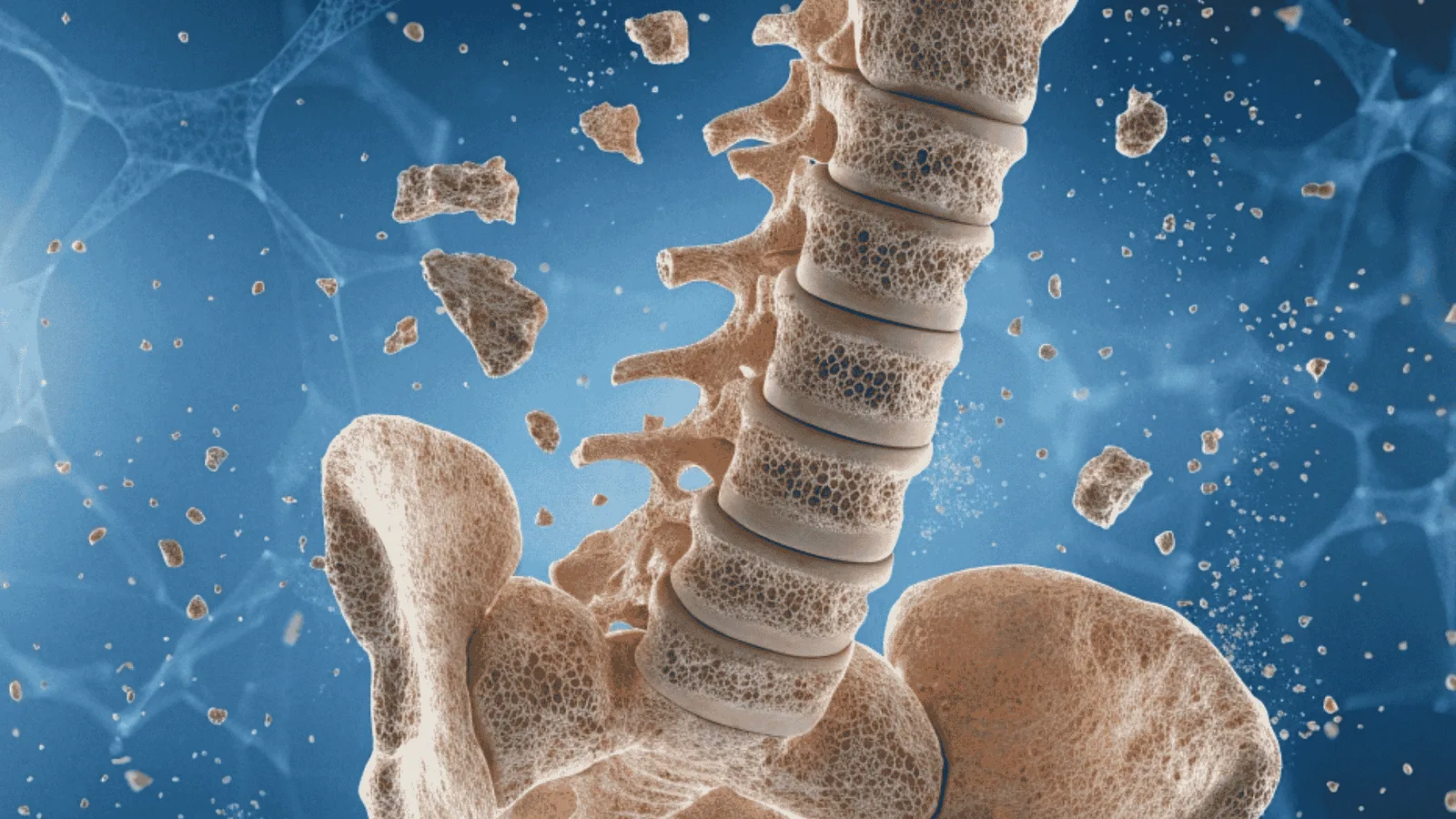
One in three women and one in five men over 50 will face osteoporosis-related fractures.
Essential nutrients for bone health include calcium, vitamin D3, and protein.
Routine bone density scans are recommended for women from age 65 and men from age 70.
As World Osteoporosis Day nears on October 20, health professionals are emphasizing the importance of maintaining bone health early in life. Osteoporosis, often referred to as the 'silent disease,' can lead to significant fractures without prior warning, making awareness crucial for all age groups, not just the elderly.
Teréza Hough, CEO of the National Osteoporosis Foundation of South Africa (NOFSA), highlighted that osteoporosis is not limited to older women; men and younger individuals can also be affected. The condition often goes unnoticed until a fracture occurs, which can happen from minor incidents like tripping or bending over. Current statistics reveal that globally, one in three women and one in five men over the age of 50 will experience a fracture related to osteoporosis.
To combat this health issue, Hough stresses the importance of a balanced diet rich in essential nutrients. Calcium is vital for bone structure, while vitamin D3 aids in calcium absorption. Other nutrients such as vitamin K2, magnesium, and protein also play significant roles in maintaining bone density and strength. Incorporating foods like eggs, fish, and legumes into daily meals can help support bone health. Hough also notes that while supplements can be beneficial, individuals should consult healthcare professionals to tailor their nutritional needs.
Physical activity is another critical component of bone health. Hough recommends engaging in weight-bearing exercises and resistance training, such as brisk walking, climbing stairs, or hiking, at least four times a week. These activities help strengthen bones and muscles, reducing the risk of fractures.
For those concerned about their bone health, bone density scans (DXA or DEXA scans) can detect low bone density before serious fractures occur. Health guidelines suggest that women should begin routine screenings at age 65 and men at age 70, although those with risk factors may need earlier assessments. With proactive measures, individuals can take charge of their bone health and significantly lower their risk of osteoporosis-related complications.