One in Six Older Indians May Suffer from Undiagnosed Spinal Fractures
A significant number of older adults in India could be living with undiagnosed spinal fractures, warns Dr. Mohana Rao Patibandla on World Osteoporosis Day.
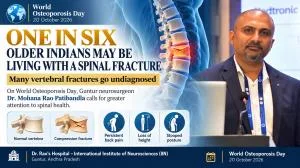
Approximately 17.9% of older adults in Delhi may have vertebral fractures.
Two-thirds of spinal fractures globally go undiagnosed, potentially affecting many in India.
Dr. Patibandla emphasizes the need for increased awareness and early screening for osteoporosis.
On October 20, 2026, Dr. Mohana Rao Patibandla, a prominent neurosurgeon in Guntur, raised alarms about the prevalence of undiagnosed spinal fractures among older Indians during World Osteoporosis Day. He highlighted that one in six older adults may be living with these fractures, which often go unnoticed and untreated, leading to severe health implications.
Historically, osteoporosis has been associated primarily with hip fractures, overshadowing the significance of spinal health. However, recent studies, including the Delhi Vertebral Osteoporosis Study, reveal that vertebral fractures are more common than previously thought, affecting 17.9% of individuals over 50. Dr. Patibandla's call to action aims to shift the focus towards spinal health as a critical component of overall bone health in India.
The data indicates that approximately two-thirds of spinal fractures worldwide remain undiagnosed. In the context of the Delhi study, this suggests that around one in eight older adults might be living with an undetected spinal fracture. Furthermore, research shows that osteoporosis is often first evident in the spine, with studies indicating that 45% of rural postmenopausal women in southern India exhibit signs of spinal osteoporosis, compared to 32.6% at the hip.
The implications of these findings are profound, as untreated spinal fractures can lead to a cascade of health issues, including increased risk of subsequent fractures. Dr. Patibandla noted that many patients report persistent back pain or height loss, often dismissing these symptoms as normal aging. He urges that such signs should prompt immediate medical evaluation, including bone density scans and imaging of the spine.
Looking ahead, Dr. Patibandla advocates for proactive measures to enhance bone health, including adequate nutrition, regular exercise, and timely screenings for individuals over 50. He emphasizes that osteoporosis is treatable and that early intervention can significantly reduce the risk of further fractures. As awareness grows, the hope is to foster a culture of preventive healthcare that prioritizes spinal health in India.