World COPD Day 2026: Indoor Air Pollution's Hidden Risks
On World COPD Day, experts stress the overlooked dangers of indoor air pollution, especially for non-smokers.
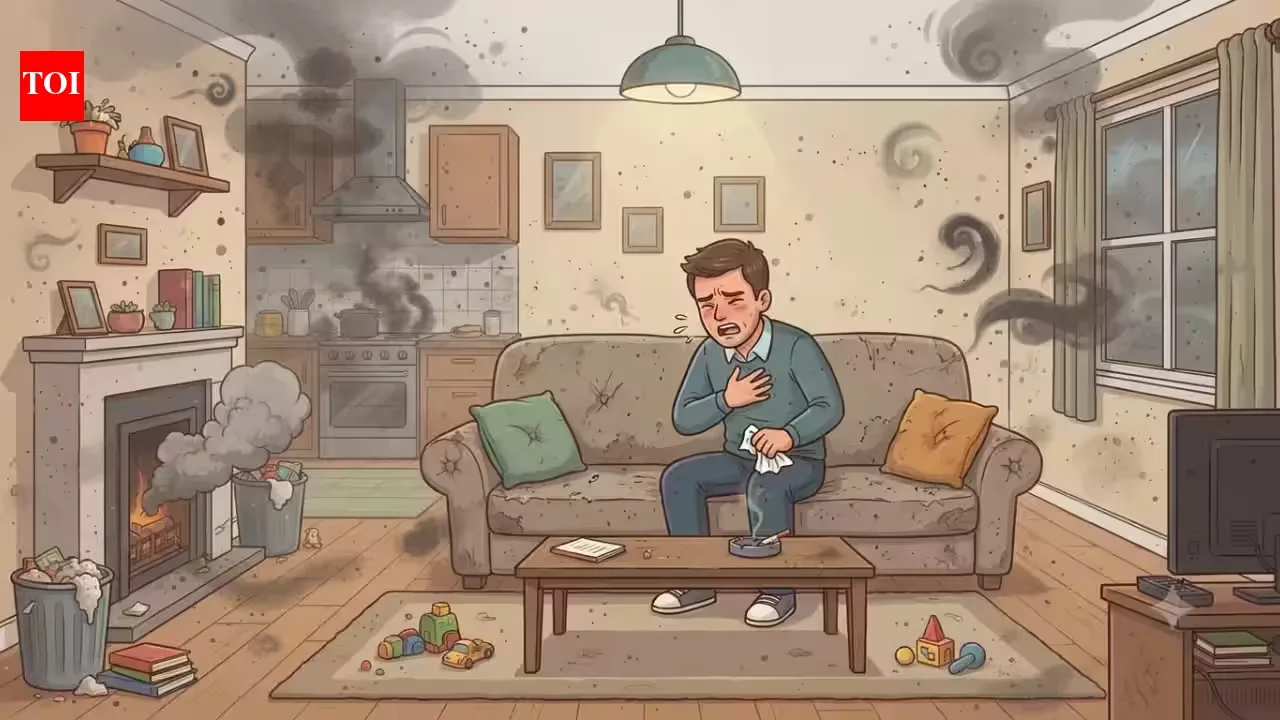
COPD can affect non-smokers, particularly in homes using biomass fuels.
Common symptoms include persistent cough, breathlessness, and wheezing.
Improving indoor air quality is crucial to prevent COPD triggers.
World COPD Day, set for November 18, 2026, serves as a reminder of the often-overlooked risks associated with Chronic Obstructive Pulmonary Disease (COPD), particularly for non-smokers. Dr. Ankit Kumar Sinha, a senior consultant in pulmonology, emphasizes that many cases go unnoticed due to the misconception that COPD only affects smokers. This year’s observance aims to raise awareness about the importance of early diagnosis and reducing exposure to risk factors, especially in India where indoor air pollution remains a significant concern.
COPD is frequently misidentified as a smoker's disease, yet it can develop in individuals who have never smoked. In India, the use of biomass fuels such as wood and coal for cooking, combined with inadequate kitchen ventilation, contributes to indoor air pollution. This pollution, along with outdoor contaminants and industrial chemicals, poses serious risks to lung health. Dr. Sinha highlights that many individuals at risk are unaware of these connections, leading to delayed diagnoses and treatment.
Symptoms of COPD often manifest gradually and can be mistaken for normal aging or seasonal illnesses. Key indicators include chronic breathlessness, a persistent cough, and wheezing. These symptoms may initially appear during physical activities, such as climbing stairs, and can worsen over time. Unlike common colds, COPD symptoms persist and can lead to frequent chest infections. Dr. Sinha recommends spirometry as a simple test to confirm the presence of COPD, urging individuals with these symptoms to seek medical advice promptly.
Families can take proactive steps to mitigate COPD triggers within their homes, particularly during winter months when air quality tends to decline. Dr. Sinha advises against smoking indoors, limiting the use of incense and chemical cleaners, and ensuring proper kitchen ventilation. Maintaining a dust-free environment and avoiding strenuous outdoor activities on high pollution days are also essential. He stresses the importance of adhering to preventive measures and using prescribed inhalers correctly for those with asthma or existing respiratory issues.
Looking ahead, the focus on World COPD Day will continue to emphasize the need for public awareness and education regarding COPD. As the event approaches, healthcare professionals will engage in community outreach to promote better understanding of the disease and its risk factors. The goal is to foster a more informed public that recognizes the importance of lung health and the impact of indoor air quality on overall well-being.