Wisconsin Reports Third Measles-Related Death Amid Outbreak
Wisconsin's third measles death highlights a significant outbreak, with nearly 6,000 cases across the US.
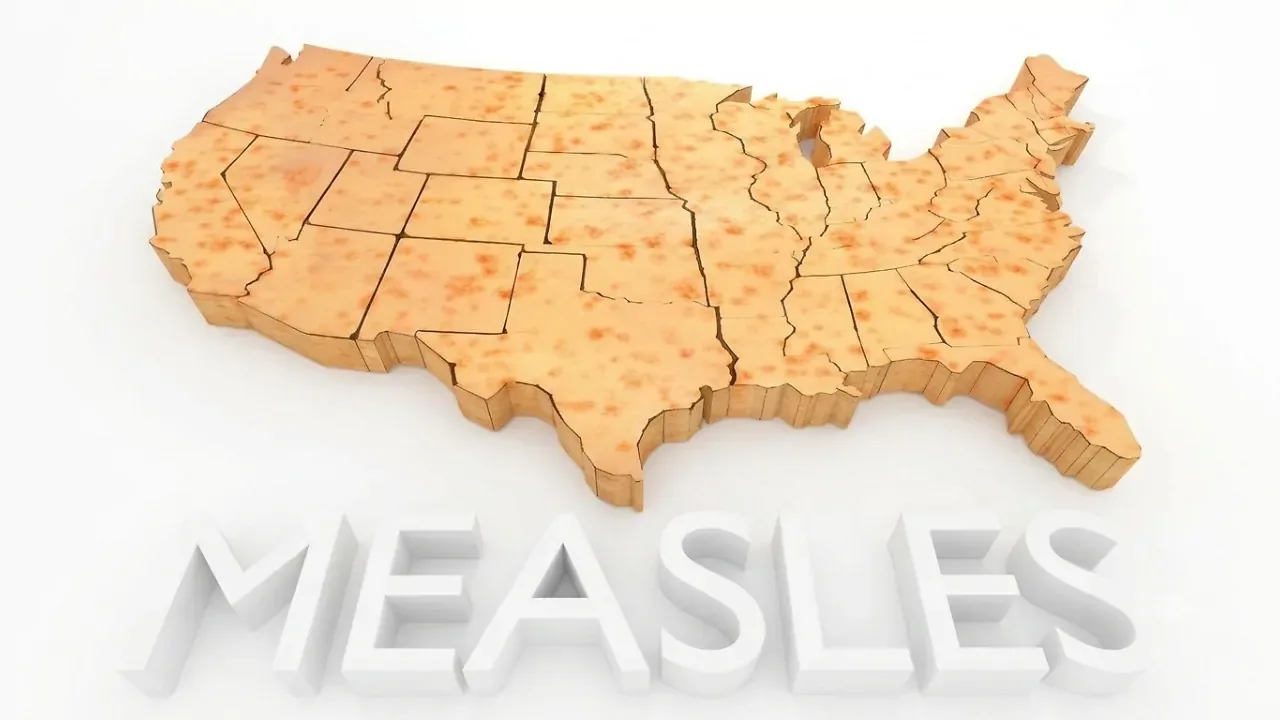
Wisconsin has reported its third measles-related death this year, involving an adult.
The US is experiencing its worst measles outbreak in over 30 years, with 5,838 confirmed cases.
Adults now account for 42% of US measles cases, indicating a shift in the demographic affected.
Wisconsin has confirmed its third death associated with measles this year, involving an adult from Lafayette County. This tragic event marks a significant milestone in the ongoing outbreak, which has seen a total of 918 cases reported across 24 counties in the state since August. The outbreak is part of a larger national crisis, with the US facing its most severe measles outbreak in over three decades, with 5,838 confirmed cases as of November 19.
The Centers for Disease Control and Prevention (CDC) has indicated that adults aged 20 and older represent 42% of the total measles cases in the US, challenging the long-held perception that measles primarily affects children. The latest death in Wisconsin is particularly notable as it is the first adult fatality linked to the current outbreak, which previously included the deaths of an infant and a child from Grant County.
Measles is known for its high contagion rate and can lead to serious health complications, including pneumonia, brain inflammation, and even death. The CDC estimates that one to three out of every 1,000 children with measles may die from related complications. Among the severe complications are acute disseminated encephalomyelitis (ADEM), immune amnesia, and subacute sclerosing panencephalitis (SSPE), the latter of which can manifest years after the initial infection.
The current outbreak underscores the importance of vaccination, as the majority of cases involve unvaccinated individuals. However, vaccinated adults are also at risk due to waning immunity over time. The CDC's data indicates that adults accounted for a substantial portion of the cases, with 2,432 cases reported among those aged 20 and older. The two-dose measles vaccination schedule introduced in 1989 provides about 97% protection, but individuals vaccinated decades ago may need to reassess their immunity status.
Looking ahead, health officials are urging those with uncertain vaccination histories or those who received older vaccines to consult healthcare providers about their immunity. The CDC recommends that anyone exposed to measles should seek medical advice promptly, as timely vaccination can prevent or mitigate the disease. As the outbreak continues, public health officials are focused on increasing vaccination rates and educating the public about the risks associated with measles exposure.