Winter Sun Exposure: Understanding Tanning Risks
Despite cold temperatures, winter sun can still lead to skin tanning due to UV rays. Here's what you need to know.
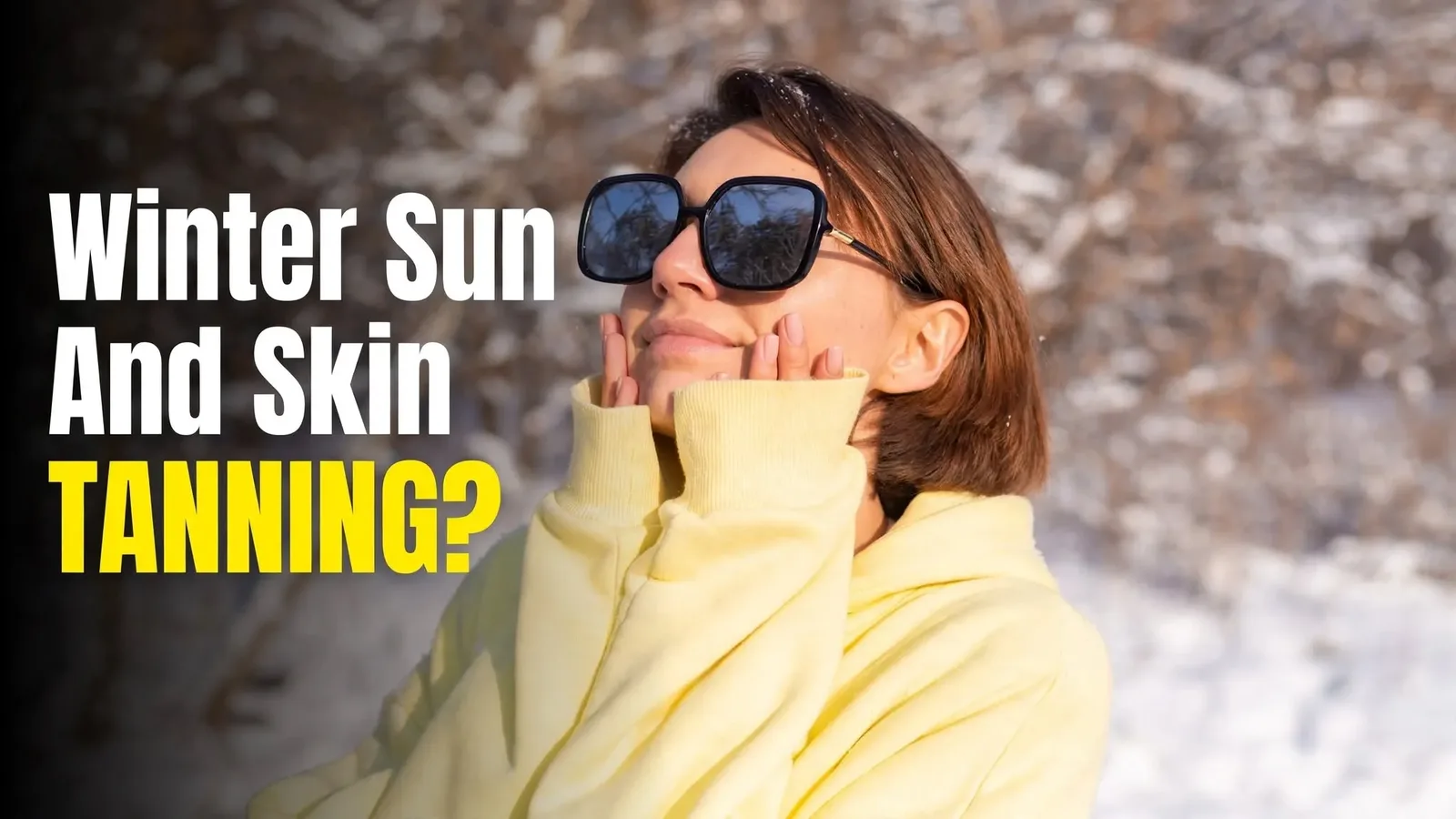
Tanning occurs from UV rays, not heat, allowing for skin darkening in winter.
Darker skin types may experience increased pigmentation and melasma during winter.
Daily sunscreen application is crucial, even on cloudy or cold days.
As winter approaches, many individuals mistakenly believe that the cold weather protects their skin from tanning. However, experts emphasize that ultraviolet (UV) rays, responsible for tanning, remain potent even in lower temperatures. Dr. Karuna Malhotra, a cosmetologist and skin specialist, explains that UV rays can penetrate through clouds and window glass, making it essential to maintain sun protection throughout the winter months.
Historically, the misconception that winter sun is harmless has led many to forgo sunscreen from November to February. This oversight can result in unintentional tanning, particularly for those spending extended periods outdoors. Dr. Malhotra notes that while UVB rays, which cause burning, are less intense in winter, UVA rays, which contribute to skin aging and pigmentation, are still present and can lead to skin darkening.
Recent studies support these claims, indicating that even on overcast days, UV rays can still affect the skin. A review published in Clinical, Cosmetic and Investigational Dermatology highlights the role of visible light in conditions like melasma, which can worsen with sun exposure. For individuals with darker skin, the risk of pigmentation increases, making it crucial to adopt protective measures against winter sun exposure.
To safeguard against winter tanning, Dr. Malhotra recommends using a broad-spectrum sunscreen with an SPF of 30 or higher, applying it every morning and reapplying every two to three hours when outdoors. Additional protective measures include wearing hats, sunglasses, and long sleeves, as well as seeking shade during peak sunlight hours. Moisturizing is also vital, as cold air can dry out the skin, increasing sensitivity.
Looking ahead, individuals concerned about their vitamin D levels should consult healthcare professionals rather than relying solely on sun exposure. Regular skin checks are advised for any persistent dark patches or changes in moles. As winter progresses, maintaining awareness of UV exposure and adhering to protective practices will be essential for healthy skin.