New Study Links Heavy Metals in Blood to Gall Bladder Cancer Risk
A recent study highlights a significant connection between heavy metal exposure and increased gall bladder cancer rates in India.
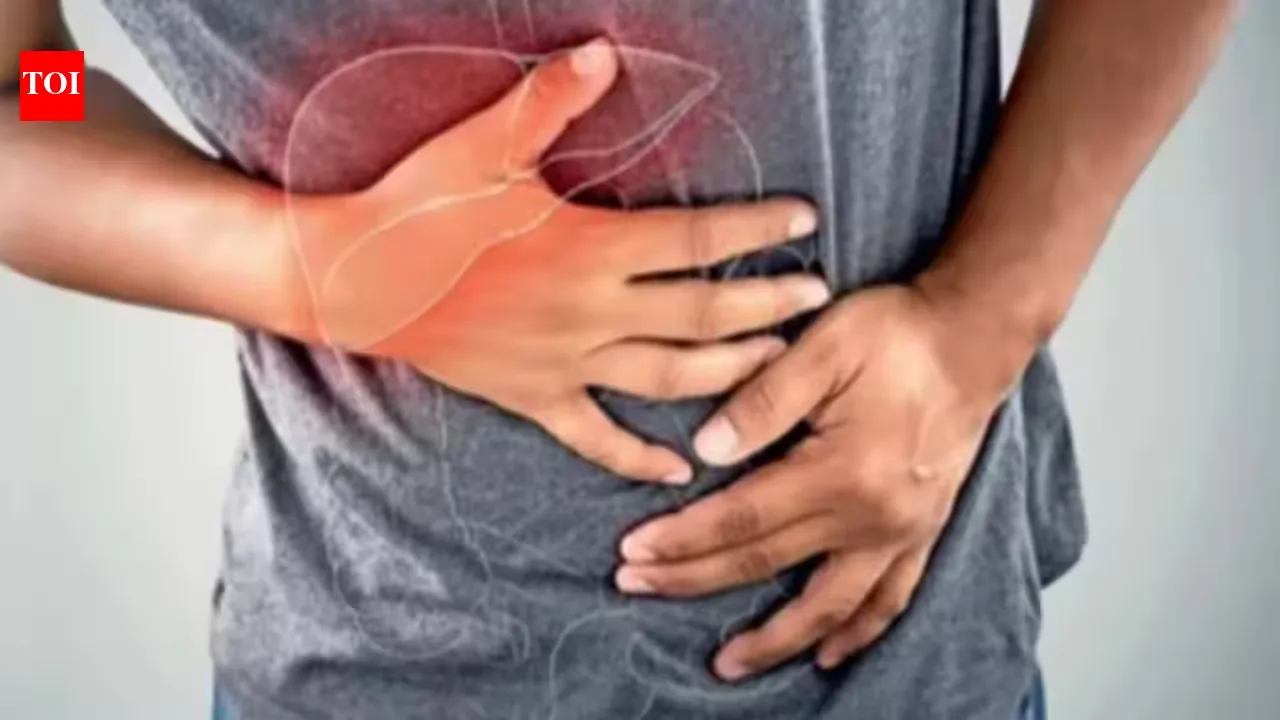
Study reveals elevated levels of copper, cadmium, and manganese in cancer patients.
Largest research of its kind in India, analyzing samples from over 2,000 individuals.
Identifying environmental exposures could lead to preventive measures against the disease.
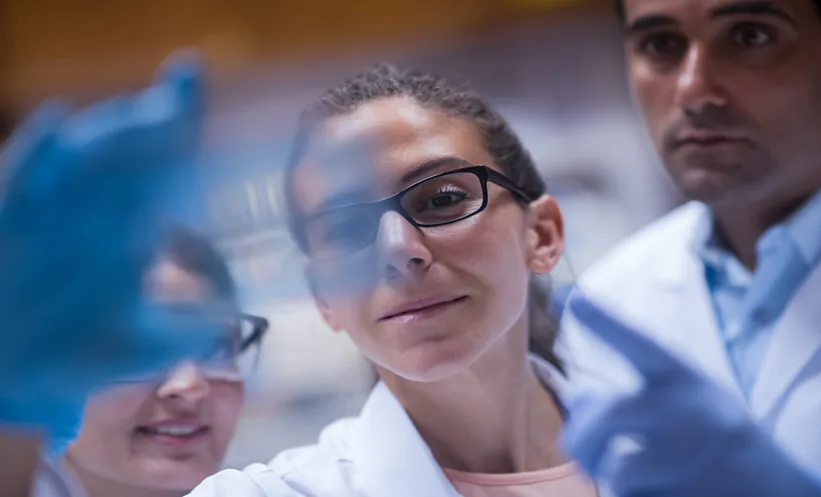
MUMBAI: A groundbreaking study conducted by the Tata Memorial Centre's Kharghar unit, ACTREC, has uncovered a notable link between elevated blood levels of certain heavy metals and the incidence of gall bladder cancer in India. The research, published on November 14 in the journal Scientific Reports, analyzed blood samples from 912 patients diagnosed with gall bladder cancer and 1,140 healthy individuals, marking it as the largest study of its kind in the country.
The study focused on nine trace elements and found that cancer patients exhibited blood levels of metals such as copper, cadmium, and manganese that were six to seven times higher than normal. Prof. Rajesh Dikshit, one of the study's authors, emphasized that this association remained significant even after accounting for other known risk factors, including gallstones, tobacco use, and dietary habits.
Historically, the Tata Memorial Centre began its investigation into gall bladder cancer over 20 years ago, prompted by a surge of patients from the Gangetic belt. Previous studies have identified various risk factors, including contaminated mustard oil and genetic predispositions. However, despite advancements in medical research, early detection and treatment of gall bladder cancer continue to pose significant challenges, with most cases diagnosed at advanced stages, according to ACTREC director Dr. Pankaj Chaturvedi.
The findings from this latest research could pave the way for new preventive strategies by highlighting environmental factors contributing to the disease. Co-author Mayur D Chauhan noted that trace elements have often been overlooked in cancer research, and understanding their sources in high-risk regions could facilitate primary prevention efforts. Additionally, Dr. Sharayu Mhatre pointed out that gall bladder cancer is notably more prevalent among women, with each subsequent pregnancy increasing the risk.
As the Tata Memorial Centre's research progresses, efforts are now directed towards identifying individuals at high risk for gall bladder cancer. Dr. Dikshit mentioned the identification of several genetic markers and the established role of gallstones in the disease's development, indicating a shift towards finding biomarkers that can help pinpoint high-risk individuals.