WHO Warns of Risks from High Blood Pressure in Pregnancy
High blood pressure during pregnancy can lead to serious health issues for both mothers and infants, according to the WHO.
Preeclampsia can develop after 20 weeks of pregnancy.
Symptoms like severe headaches and blurred vision require urgent care.
Regular monitoring and postpartum follow-ups are crucial for safety.
The World Health Organization (WHO) has issued a warning regarding the dangers of high blood pressure during pregnancy, emphasizing that it can significantly affect both the mother and the unborn child. The organization highlights that conditions such as preeclampsia can manifest after the 20-week mark, often without noticeable early symptoms, making awareness and monitoring essential.
Preeclampsia is characterized by elevated blood pressure and can lead to severe complications if not addressed promptly. Symptoms that may indicate the onset of this condition include severe headaches, blurred vision, sudden swelling in the hands and face, and breathlessness. The WHO advises that these symptoms necessitate immediate medical evaluation to prevent further health risks.
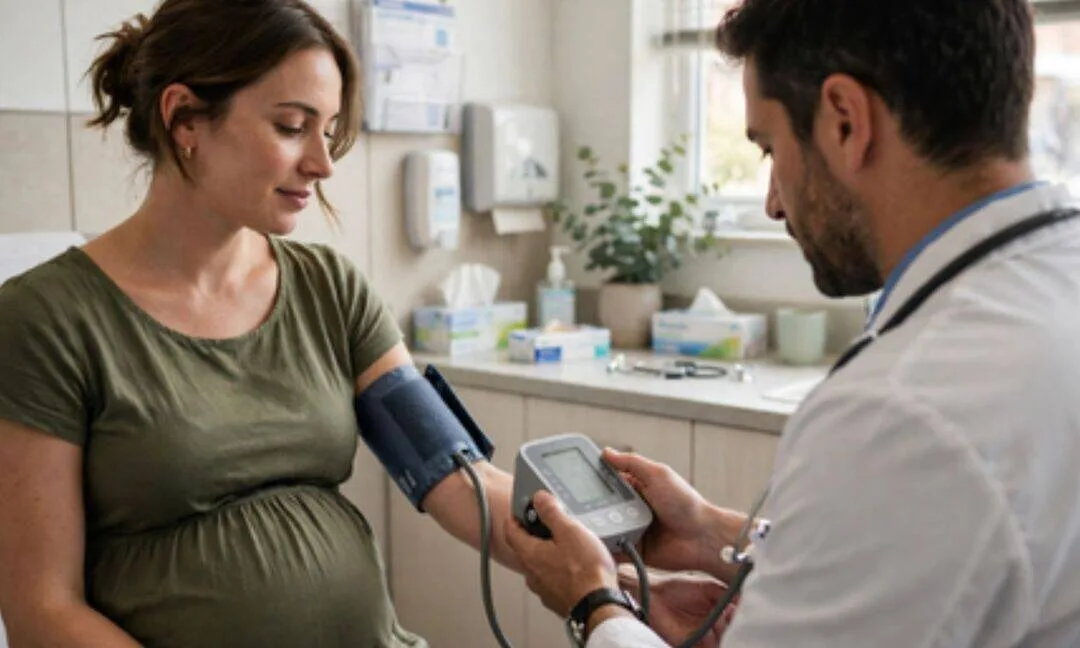
Regular blood pressure monitoring throughout pregnancy is crucial for early detection and management of potential complications. The WHO recommends that healthcare providers conduct routine checks and ensure that expectant mothers receive timely care. Additionally, postpartum follow-ups are vital for addressing any lingering health issues that may arise after childbirth, including risks of stroke and kidney disease.
The implications of high blood pressure during pregnancy extend beyond individual health, affecting public health systems and maternal care practices. Increased awareness and education about the risks associated with hypertension in pregnancy can lead to better health outcomes for mothers and babies alike. Health authorities are urged to implement strategies that promote regular screenings and access to healthcare services for pregnant women.
Looking ahead, it is essential for healthcare systems to prioritize maternal health by integrating comprehensive blood pressure management into prenatal care. Future initiatives may include enhanced training for healthcare providers and public health campaigns aimed at educating expectant mothers about the signs and risks of high blood pressure during pregnancy.