61% of Patients Show Tumor Reduction with New Drug in Trial
A recent study reveals that a new pill combined with chemotherapy significantly reduced pancreatic tumors in a majority of participants.
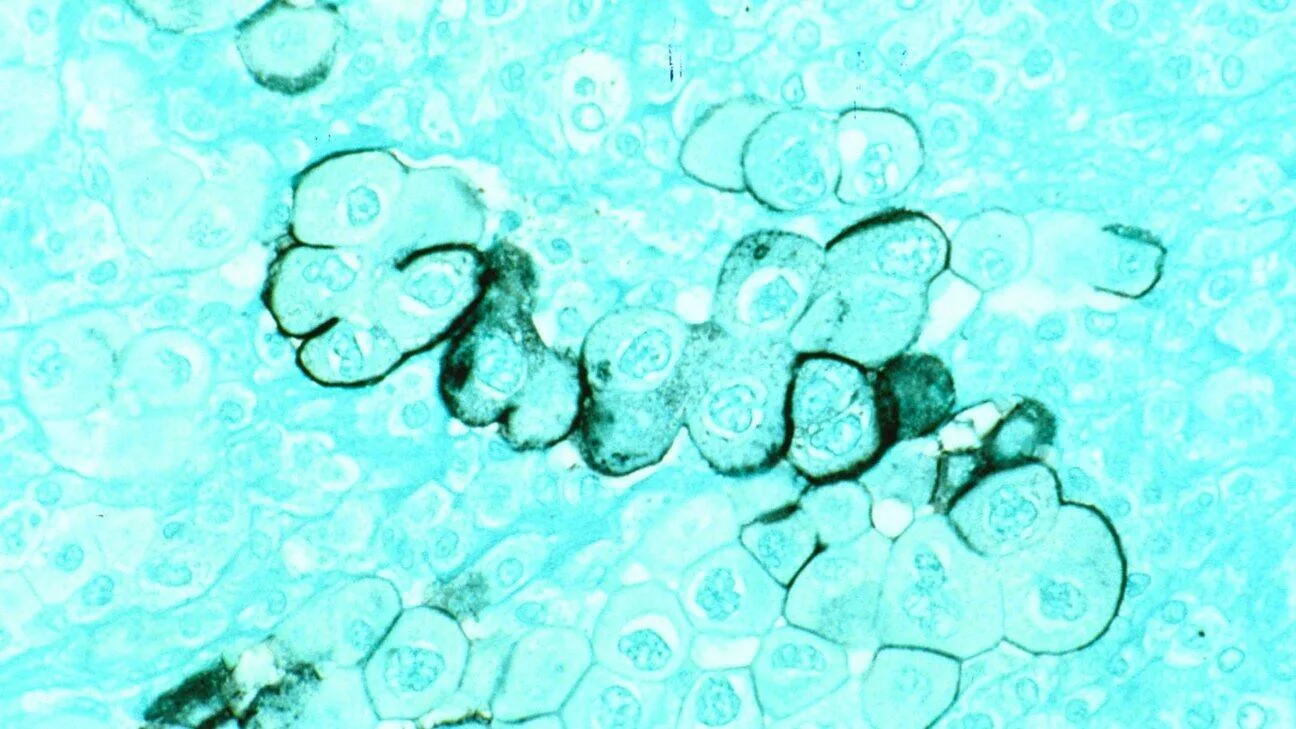
Daraxonrasib pill led to tumor shrinkage in 60.7% of patients.
8.2% of participants had undetectable tumors after treatment.
A larger trial is planned to further evaluate the drug's effectiveness.
In a groundbreaking early trial, researchers announced on November 20 that the combination of a new daily pill, daraxonrasib, with chemotherapy resulted in a significant reduction of pancreatic tumors in 60.7% of 61 patients suffering from untreated metastatic pancreatic cancer.
The study, led by researcher Wungki Park, highlighted that 8.2% of the participants experienced complete disappearance of their tumors. However, it is important to note that this early-phase trial did not include a comparison group receiving chemotherapy alone, which limits the ability to draw definitive conclusions about the drug's effectiveness compared to traditional treatment methods.
The promising results from this initial trial have sparked interest in the medical community, as pancreatic cancer is known for its aggressive nature and poor prognosis. The combination therapy's potential to improve outcomes for patients with this challenging diagnosis is a significant development in cancer research.
As the study progresses, researchers are preparing for a larger trial that aims to further assess the efficacy and safety of daraxonrasib in conjunction with chemotherapy. This next phase will provide more comprehensive data and could pave the way for new treatment protocols for pancreatic cancer patients.
The implications of these findings could be profound for the future of pancreatic cancer treatment, offering hope to patients and families affected by this devastating disease. Continued research and clinical trials will be essential in determining the long-term benefits and potential of this innovative therapy.