WHO Report Reveals 240 Million Teens Lack Adequate Exercise
A new WHO study finds that one in four adolescents globally engage in less than one hour of physical activity weekly.
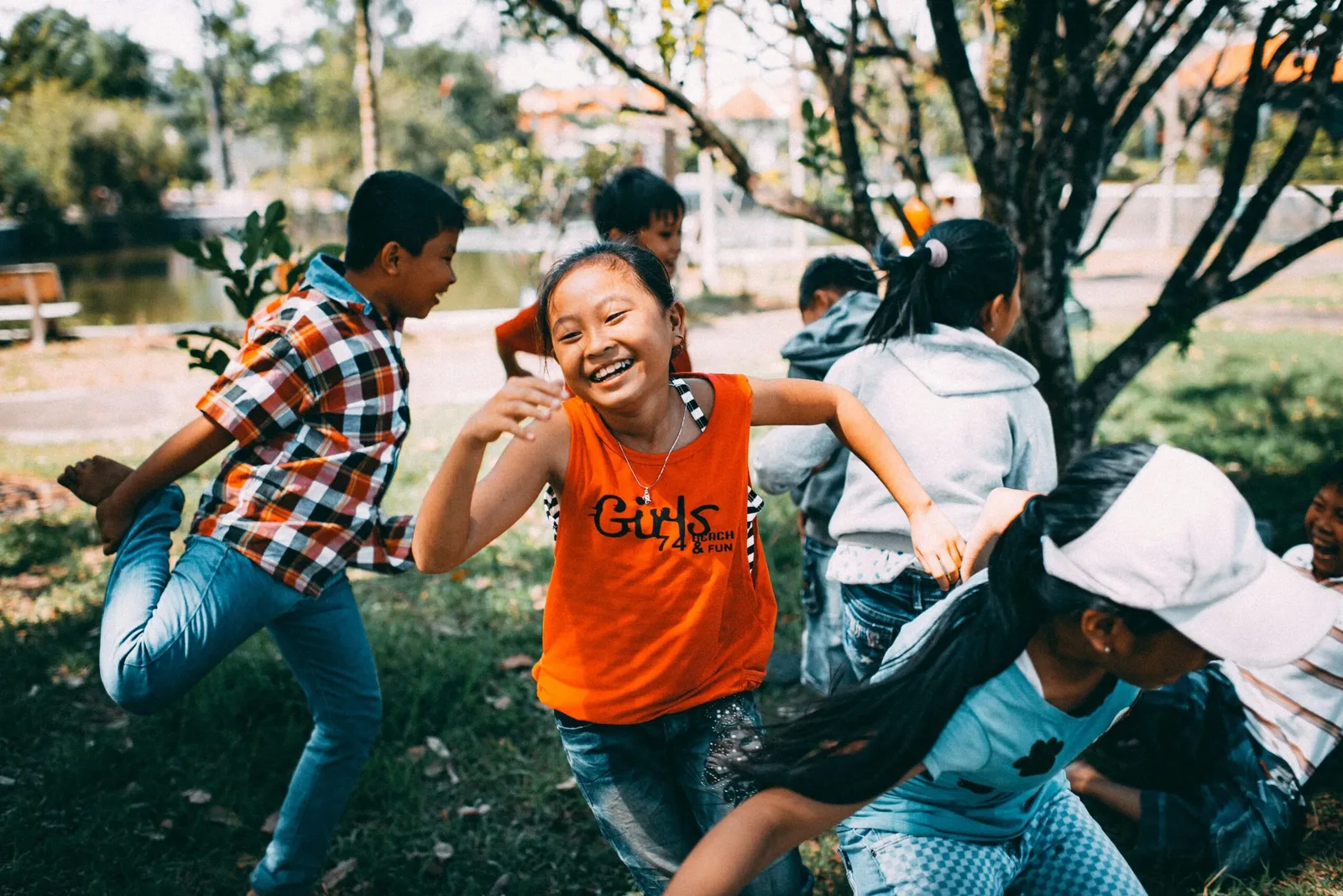
240 million adolescents aged 11-17 do not meet exercise recommendations.
Only 14% of teens are active for at least one hour daily.
Significant gender disparities exist, with girls less active than boys.
A recent study by the World Health Organization (WHO) highlights a concerning trend: one in four adolescents worldwide, approximately 240 million individuals aged 11 to 17, are not achieving the recommended minimum of one hour of moderate to vigorous physical activity each week. This alarming statistic was revealed in a report titled 'A Generation Missing Out,' which was published today in conjunction with The Lancet Global Health.
The findings stem from an extensive analysis of 389 population-based surveys, encompassing around 3.2 million adolescents across 140 countries. Participants were asked about their physical activities over the previous week. The results showed that only 14% reported being physically active for at least one hour every day, falling short of WHO's guidelines. On average, adolescents reported engaging in physical activities for one hour on just 2.7 days per week, with girls consistently less active than boys across all regions.
WHO experts noted that the data, which represents about 60% of adolescents globally, has remained stagnant since 2010. Dr. Tedros Adhanom Ghebreyesus, WHO's Director-General, expressed concern over the lack of progress, particularly for girls, stating that the solution lies not in urging adolescents to try harder but in creating environments that promote safe and easy physical activity.
The implications of physical inactivity are severe, as it is linked to various health issues, including heart disease and type-2 diabetes. Dr. Etienne Krug from WHO emphasized that physical activity is crucial not only for physical health but also for mental well-being and social development. The lack of exercise during adolescence can lead to long-term health consequences and missed opportunities for social engagement.
The report also highlights significant regional disparities, with adolescents in Europe and parts of the Americas reporting higher levels of physical activity compared to those in Africa and South Asia. To address these challenges, WHO calls for enhanced urban planning and educational initiatives to foster environments conducive to physical activity. Additionally, sports brands are stepping up to support this initiative, with 83 companies pledging to promote active lifestyles among youth.