Shamonda Virus Found in Two UK Dairy Farms: Key Details
The Shamonda virus has been detected in cattle at two dairy farms in the UK, raising concerns about its transmission and impact.
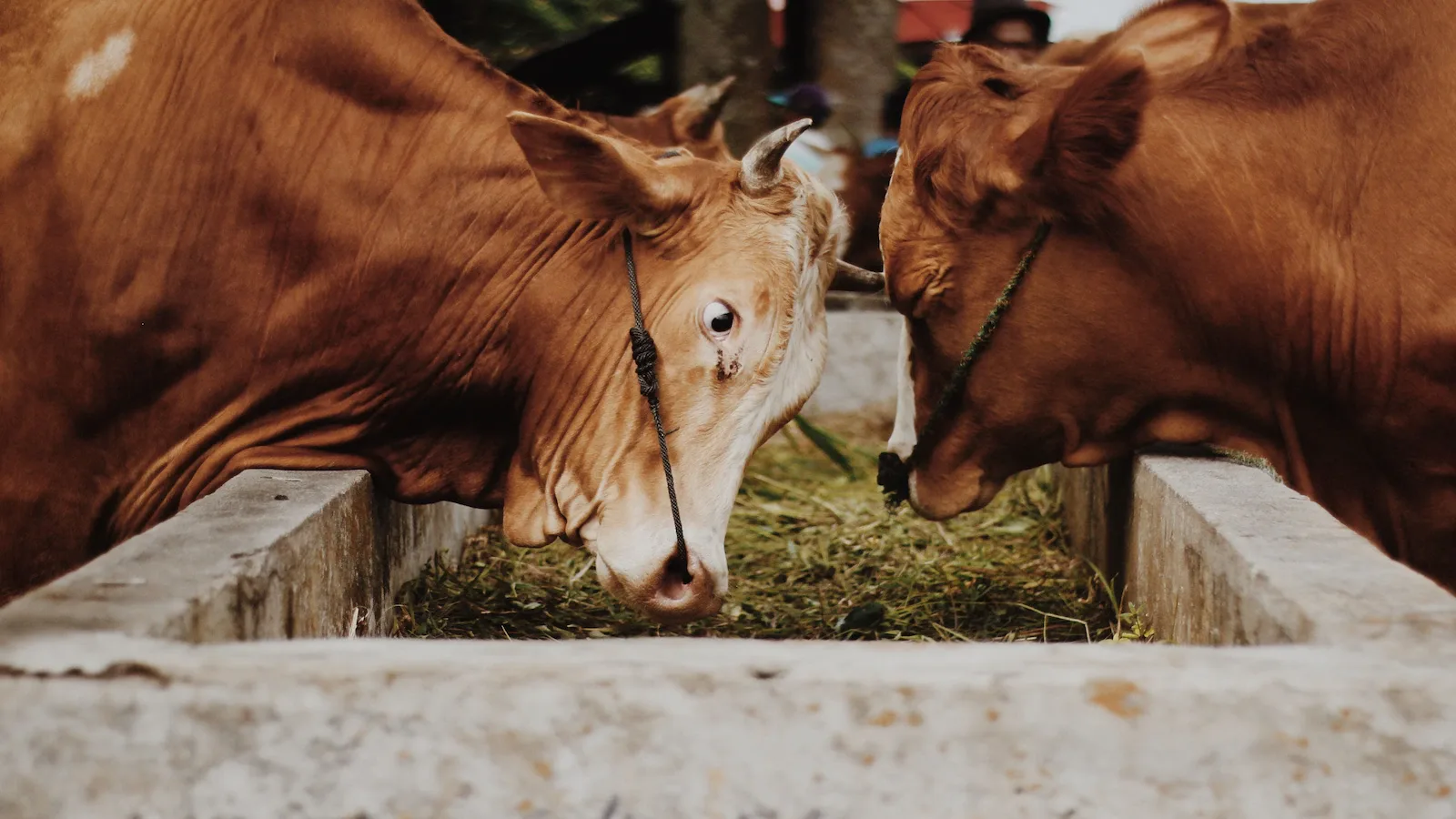
Shamonda virus detected in Shropshire and Powys dairy farms.
Symptoms in cattle include fever, diarrhea, and reduced milk production.
No evidence of human-to-human transmission has been found.
The Shamonda virus has been confirmed in cattle at two dairy farms located in Shropshire, England, and Powys, Wales. This marks the first detection of the virus in the UK, as reported by the Animal and Plant Health Agency. The agency noted that the virus is not classified as a notifiable disease and its arrival in the UK was anticipated. Currently, there are no additional disease-control measures deemed necessary.
The affected cattle have shown distinct symptoms associated with the Shamonda virus, including high fever, acute diarrhea, lethargy, and a notable decrease in milk production. This outbreak follows the first documented human case of the virus, which was reported in France in October 2026, highlighting the virus's emerging status as a veterinary health issue.
The Shamonda virus, classified under the Orthobunyavirus genus, is primarily transmitted through insect vectors, particularly the bites of infected Culicoides midges. The World Health Organization (WHO) indicates that the virus originated in Nigeria during the 1960s and has since spread to various regions in Europe, including Germany and Switzerland. It poses a risk not only to cattle but also to other livestock such as goats and sheep, with potential reproductive complications reported in infected animals.
The implications of this outbreak extend beyond the immediate agricultural sector. Farmers and livestock owners in the affected regions are urged to monitor their herds closely for symptoms of the virus. The situation raises concerns regarding livestock health and productivity, which could have broader economic impacts on the dairy industry in the UK.
Looking ahead, further research is necessary to fully understand the transmission dynamics of the Shamonda virus, especially regarding its potential impact on human health. The WHO has emphasized the need for ongoing studies, particularly in areas where the virus is circulating among animal populations. As of now, there is no evidence to suggest that the virus can be transmitted from animals to humans through direct contact, but vigilance remains essential.