WHO Releases First Guidelines on Childhood Obesity Management
The World Health Organization has issued its inaugural guidelines for managing obesity in children and adolescents, recommending a combination of lifestyle changes and conditional use of medications for older children.
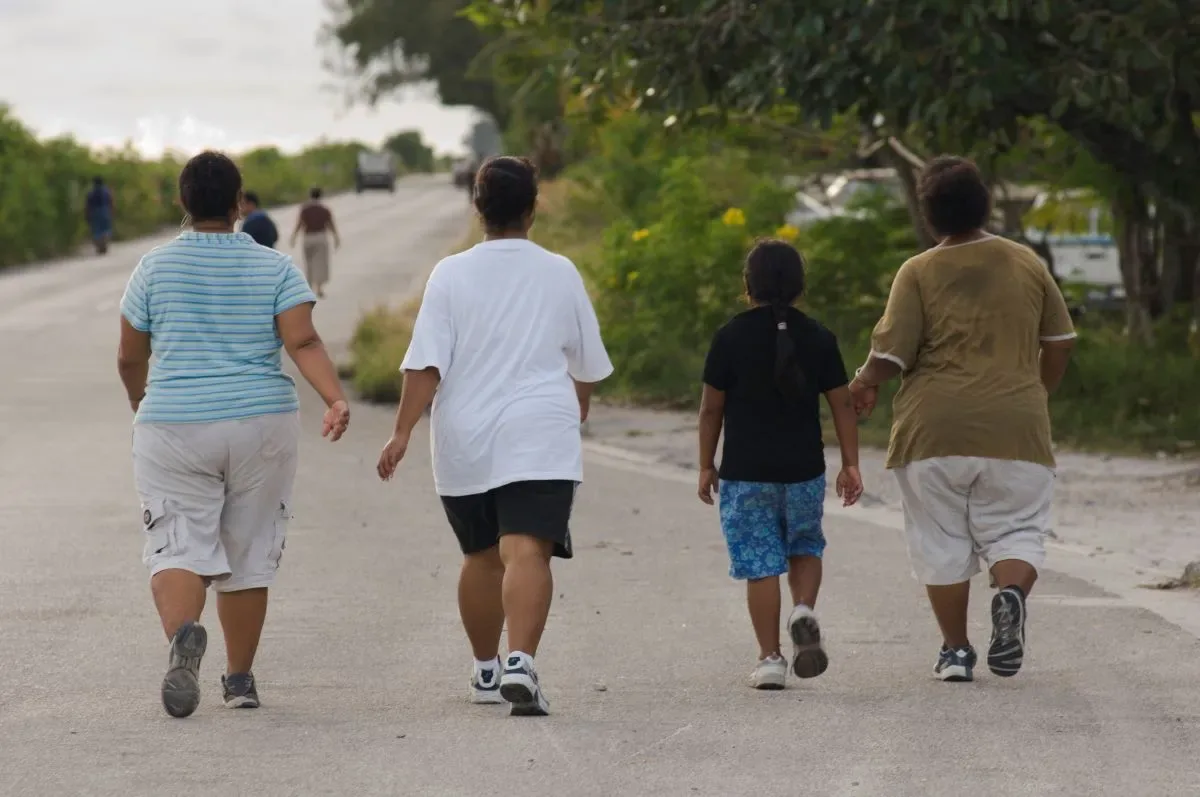
Obesity rates among children aged 5-19 have quadrupled since 1990, now affecting over 170 million globally.
WHO recommends lifestyle interventions for children under 10, with conditional medication use for adolescents.
The guidelines emphasize the importance of addressing mental health and environmental factors in obesity management.
The World Health Organization (WHO) has introduced its first-ever guidelines aimed at managing obesity in children and adolescents, highlighting the urgent need for effective strategies as obesity rates continue to rise. These guidelines, released recently, include conditional recommendations for the use of obesity medications and even surgical options for children over the age of 10. The alarming increase in obesity among children, which has quadrupled since 1990, now affects approximately 170 million children and adolescents worldwide, raising concerns over associated health risks such as type 2 diabetes and cardiovascular diseases.
Historically, the prevalence of obesity in children has been a growing concern, particularly in lower- and middle-income countries where access to nutritious food and opportunities for physical activity are limited. The WHO's guidelines advocate for a “person-centered” approach to obesity management, which combines dietary changes, physical activity, behavior modification, and in some cases, medication or surgery. This comprehensive strategy aims to address the multifaceted nature of obesity, which is often compounded by social stigma and discrimination.
The WHO's recommendations are grounded in an evaluation of 35 scholarly articles, although the organization acknowledges that research on pharmaceutical interventions for children remains limited. For children under 10, the guidelines advise against the use of obesity medications or bariatric surgery, focusing instead on structured interventions that promote healthy eating and physical activity. For adolescents aged 10-19, the use of obesity medications may be considered when lifestyle changes are ineffective, provided the individual is mentally and physically prepared.
The implications of these guidelines are significant, particularly as childhood obesity rates continue to climb globally. The WHO emphasizes that effective obesity management must extend beyond weight loss to include mental health support and the creation of environments conducive to healthy living. This includes addressing the marketing of unhealthy foods to children and ensuring access to safe recreational spaces. The guidelines aim to foster a holistic approach that not only treats obesity but also prevents it by addressing underlying environmental factors.
Looking ahead, the WHO plans to monitor ongoing research and data regarding the long-term effects of anti-obesity medications in children. As the landscape of childhood obesity management evolves, the organization remains committed to ensuring that children receive appropriate care while navigating the complexities of this chronic condition. The guidelines represent a crucial step in addressing the global obesity epidemic among children and adolescents, with a focus on tailored, evidence-based interventions.