Childhood Cancer Symptoms: Key Signs Parents Should Recognize
A significant number of parents struggle to identify early signs of cancer in children, despite its status as a leading cause of disease-related deaths.
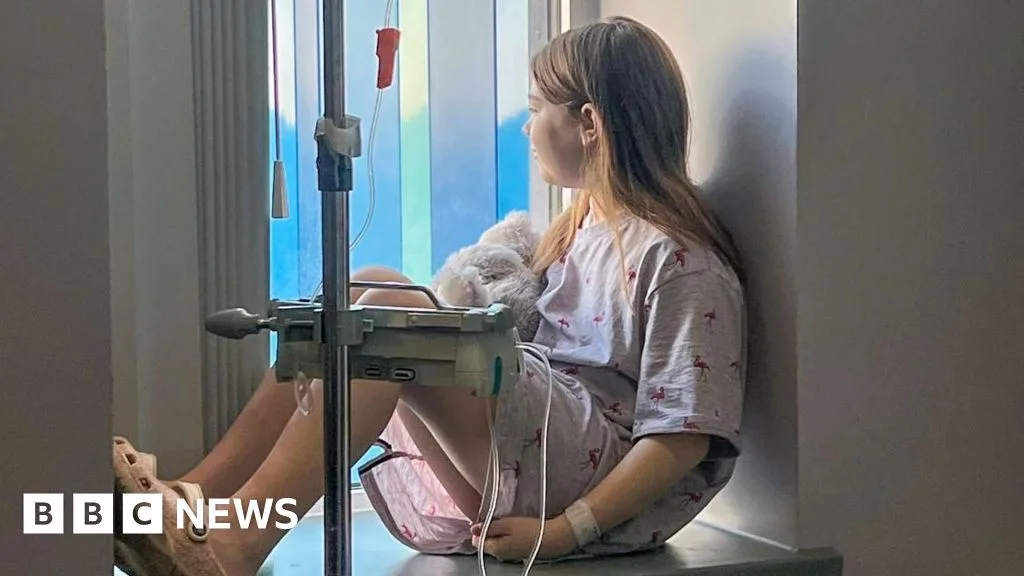
Approximately 1,900 children in the UK are diagnosed with cancer annually.
Survival rates for childhood cancer have improved to over 80% since the 1970s.
Experts urge parents to recognize clusters of symptoms for timely diagnosis.
Cancer remains a leading cause of disease-related mortality among children under 15 in the UK, with around 1,900 new cases diagnosed each year. Despite this alarming statistic, a recent survey indicates that nearly one-third of parents feel uncertain about recognizing the symptoms of childhood cancer. This gap in awareness can lead to delayed diagnoses, which can significantly impact treatment outcomes.
The case of 13-year-old Amelia Carroll illustrates the challenges of early detection. Initially, her symptoms, including fatigue and breathlessness, were dismissed as signs of being unfit. It wasn't until she developed unexplained bruises that her mother, Gemma, sought medical attention. Within ten days, Amelia was diagnosed with acute myeloid leukaemia (AML). Experts emphasize the importance of monitoring for persistent symptoms such as extreme tiredness, paleness, and unexplained lumps, which can signal serious health issues.
Professor Bob Phillips, a pediatric oncologist, highlights the need for parents to be vigilant about clusters of symptoms. He advocates for a national campaign aimed at improving awareness and diagnosis times, suggesting that if a child exhibits three persistent symptoms or has multiple doctor visits within a short timeframe, a referral should be considered. While survival rates for childhood cancer have improved significantly, quicker diagnoses could lead to less intensive treatments and better outcomes.
The impact of delayed diagnosis is evident in the stories of families like that of Lynsey Swinscoe, whose son Jake suffered from soft tissue cancer. Initial symptoms were misattributed to allergies, delaying critical treatment. Tragically, Jake passed away shortly before his 14th birthday after battling the disease. His mother is now committed to raising awareness about childhood cancer, ensuring that others recognize the signs that could save lives.
Looking ahead, health professionals are calling for improved education for parents and caregivers regarding the signs of childhood cancer. With ongoing efforts to enhance awareness, the hope is that more children will receive timely diagnoses, leading to better treatment options and outcomes. As the campaign progresses, the medical community aims to reduce the time it takes for children to receive a diagnosis, ultimately improving survival rates and quality of life for young patients.