US Measles Elimination Status Lost: What’s Next?
The United States has officially lost its measles elimination status, a public health milestone maintained since 2000, due to declining vaccination rates.
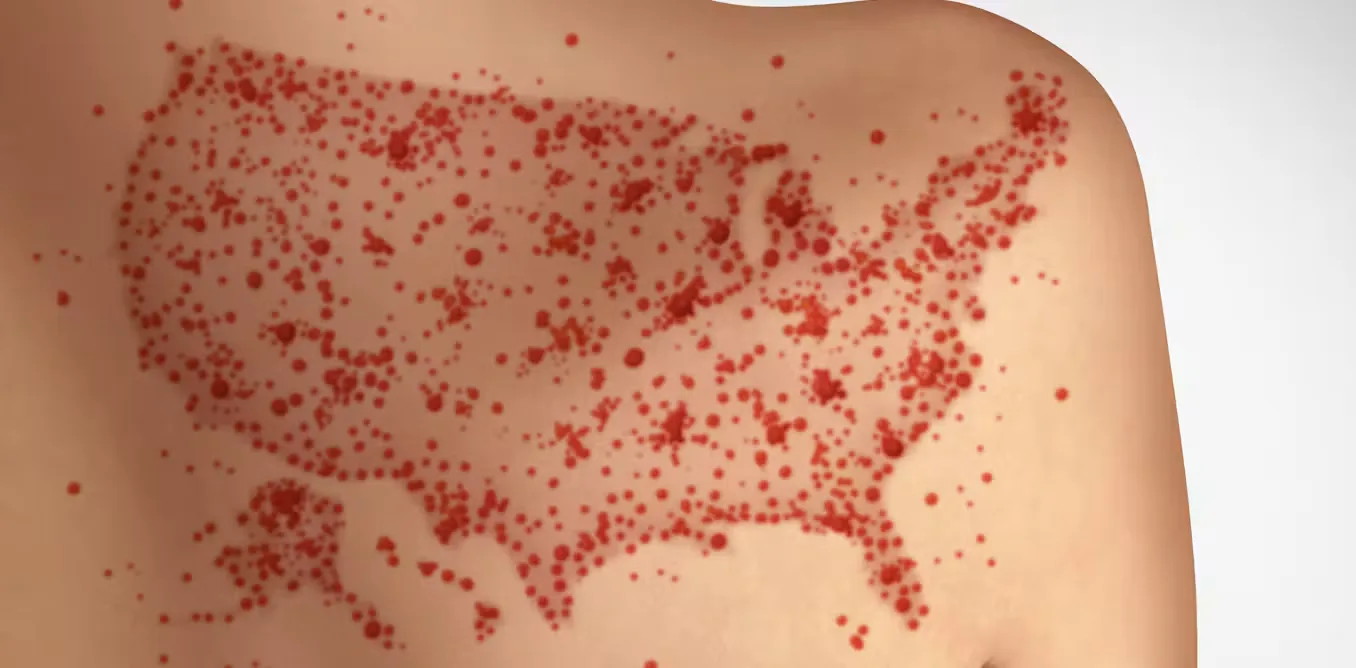
The US lost its measles elimination status after 26 years, attributed to vaccination rates dropping below the necessary threshold.
In 2026, the CDC reported over 5,400 measles cases, the highest since 1991, with significant hospitalizations and fatalities.
Regaining elimination status will require improved vaccination rates, effective outbreak responses, and strong surveillance.
The United States has lost its measles elimination status, a designation that signifies no local transmission of the virus for at least 12 months. This decision was made by the Pan American Health Organization in November 2026, with a formal announcement expected on November 17. The country had maintained this status since 2000, but recent outbreaks and declining vaccination rates have led to this significant public health setback.
Historically, the US achieved measles elimination in 2000 due to widespread vaccination efforts, particularly with the measles, mumps, and rubella (MMR) vaccine. However, vaccination rates have fallen, with only 92% of kindergartners receiving the MMR vaccine during the 2025-26 school year, well below the 95% threshold needed for herd immunity. This decline has been linked to the rise of vaccine misinformation, which has eroded public confidence in vaccination.
As of November 12, 2026, the Centers for Disease Control and Prevention (CDC) reported 5,412 measles cases, marking the highest number since 1991, alongside 591 hospitalizations and six deaths. The outbreaks have been particularly severe in Pennsylvania, which alone accounted for over 1,500 cases. The resurgence of measles has highlighted the consequences of declining vaccination rates and the importance of maintaining high immunization coverage to prevent outbreaks.
The implications of losing measles elimination status are significant, not only for public health but also for the healthcare system. The resurgence of measles can strain healthcare resources and lead to increased hospitalizations, especially among vulnerable populations such as young children. Furthermore, this situation may prompt renewed public health campaigns to increase vaccination rates and combat misinformation about vaccines.
Looking ahead, regaining measles elimination status will require a concerted effort from federal health authorities to enhance vaccination rates, improve outbreak response strategies, and strengthen surveillance systems. The US must experience at least 12 months without continuous measles transmission to regain its status, necessitating a robust public health response to restore confidence in vaccines and ensure community immunity against this highly contagious disease.