US Measles Elimination Status Lost: 7 Illnesses at Risk
With the US losing its measles elimination status, experts warn of potential resurgences of several childhood illnesses.
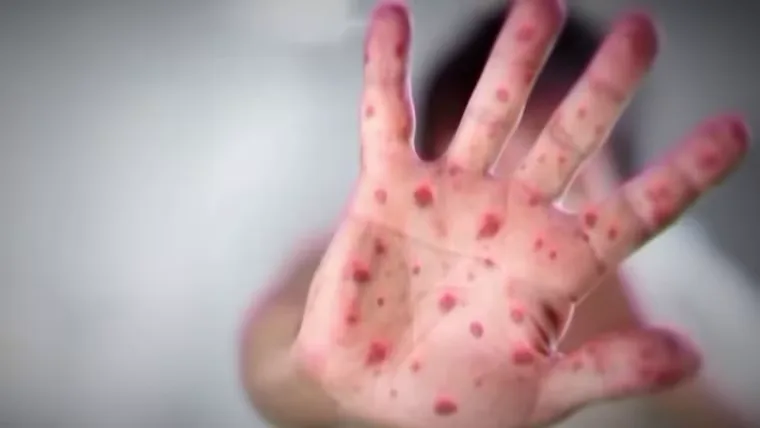
The US has lost its measles elimination status after over a year of uninterrupted circulation.
Vaccination rates for MMR have dropped to 92.4% among kindergarteners, raising concerns for other preventable diseases.
Experts identify mumps, rubella, chickenpox, and others as illnesses that could see a resurgence.
The United States has officially lost its measles elimination status, as reported by the Pan American Health Organization. This marks a significant public health setback, occurring more than 25 years after the country celebrated the eradication of the highly contagious virus. The re-emergence of measles as endemic is attributed to a strain circulating without interruption for over a year, coinciding with declining vaccination rates and increasing vaccine hesitancy among the population.
Vaccination coverage for the measles, mumps, and rubella (MMR) vaccine has seen a concerning decline, with only 92.4% of kindergarteners vaccinated for the 2025-2026 school year. This figure has been steadily decreasing since the 2019-2020 academic year, raising alarms among health officials. The Centers for Disease Control and Prevention (CDC) emphasizes that while the MMR vaccine is highly effective, achieving herd immunity requires at least 95% of the population to be vaccinated.
Infectious disease specialists warn that the drop in vaccination rates could lead to the resurgence of other childhood illnesses previously under control. Among these, mumps is highlighted as a likely candidate, with a significant increase in cases since 2006. The CDC reports approximately 208 mumps cases in 2026, a stark contrast to the 5,838 measles cases reported. Mumps spreads through respiratory droplets and can lead to serious complications, including inflammation of reproductive organs and the brain.
Rubella, which had been eliminated in the US since 2004, could also return due to declining vaccination rates. The disease can cause mild symptoms but poses severe risks during pregnancy, leading to serious birth defects. Chickenpox, once prevalent before the introduction of the vaccine in 1995, has seen a dramatic decline in cases, but with lower vaccination rates, a resurgence is possible. Other diseases like pertussis, diphtheria, tetanus, and polio are also at risk of re-emerging as vaccination coverage wanes.
Looking ahead, health officials stress the importance of maintaining high vaccination rates to prevent the return of these diseases. Continued public health campaigns and education are essential to combat vaccine hesitancy and ensure that children receive their vaccinations on schedule. The potential for outbreaks of these preventable diseases underscores the critical need for vigilance in public health efforts.