Understanding Skin Rashes in Children: Expert Insights
A pediatrician outlines the causes and signs of skin rashes in children, guiding parents on when to seek medical help.
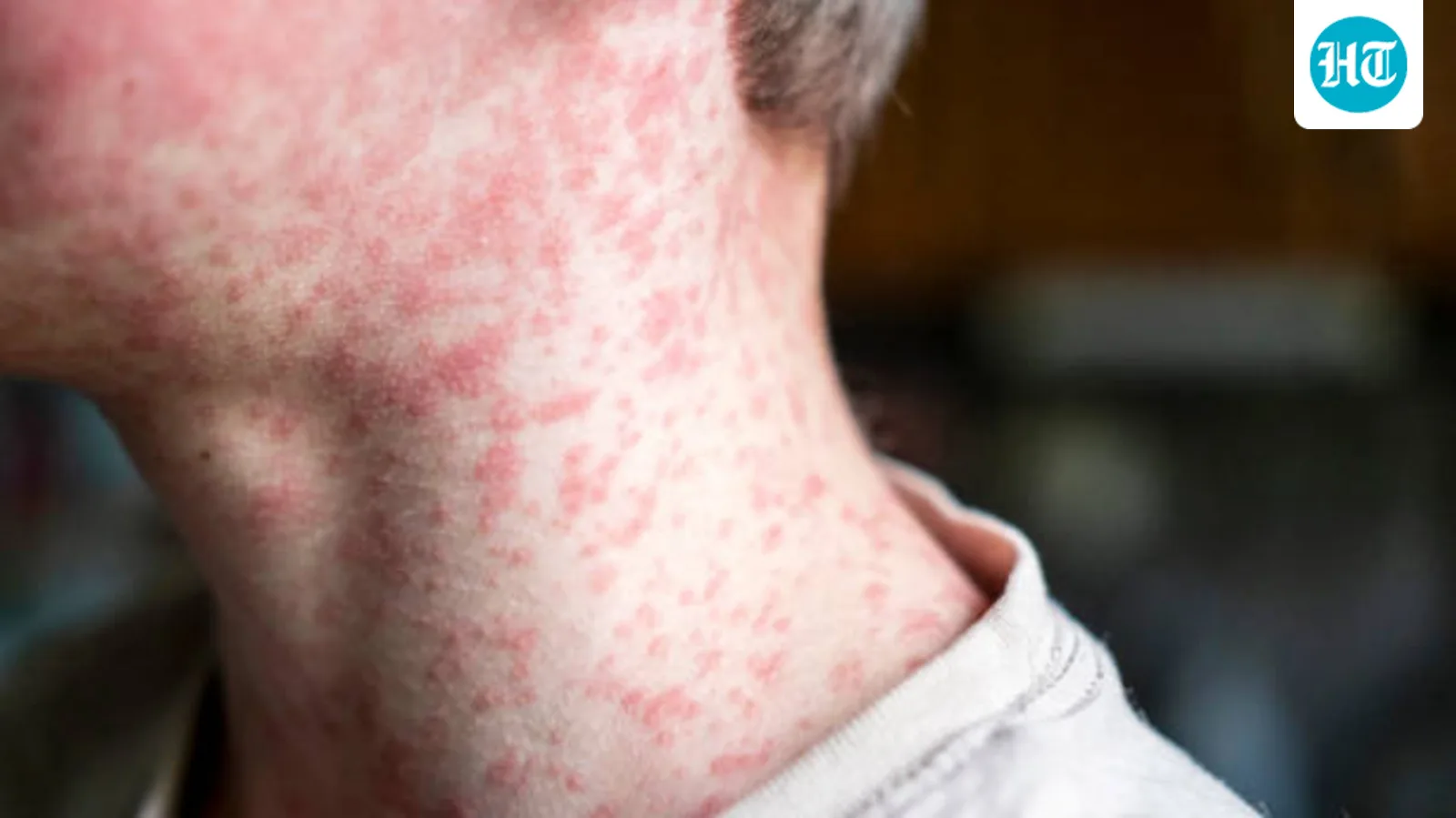
Skin rashes in children can indicate various health issues, including infections and allergies.
Parents should monitor accompanying symptoms and seek medical advice if rashes persist or worsen.
Prompt medical evaluation is crucial for rashes that do not fade under pressure or are accompanied by fever.
Skin rashes are a frequent concern among parents of young children, often signaling underlying health issues ranging from allergies to infections. Dr. Prakash Vaidya, a senior pediatric consultant at Fortis Hospital in Mulund, Mumbai, emphasizes the need for careful examination of any rash, as it can provide critical insights into a child's health status. He advises parents not to dismiss rashes as trivial without proper assessment, as they can sometimes indicate serious conditions.
Common causes of skin rashes include viral infections such as influenza, dengue, and hand, foot, and mouth disease. Dr. Vaidya notes that the timing of the rash in relation to fever onset can be a significant diagnostic clue. For instance, dengue often presents with a faint reddish rash that can escalate to an intensely itchy one. Other viral infections may show rashes only after fever subsides, making it essential for parents to consider the child's overall symptoms and medical history when evaluating a rash.
In addition to viral infections, several other conditions can cause rashes in children. Diseases like chickenpox and hand, foot, and mouth disease often present with blister-like eruptions, while allergic reactions can lead to itchy hives. Atopic dermatitis, commonly known as eczema, is another prevalent issue, particularly in infants and young children. Dr. Vaidya highlights the importance of maintaining skin moisture to manage eczema effectively.
Parents should also be aware of infectious rashes, such as impetigo and ringworm, which require accurate diagnosis and treatment. Misuse of topical creams, especially those containing steroids, can exacerbate certain skin infections. Additionally, Dr. Vaidya warns against ignoring petechiae—tiny red or purple spots that may indicate bleeding beneath the skin, particularly if accompanied by fever or other concerning symptoms.
When it comes to determining the seriousness of a rash, Dr. Vaidya advises parents to consider the child's overall health and any accompanying symptoms. Urgent medical attention is warranted if a child with a rash appears unwell, drowsy, or has a high fever. The key takeaway for parents is to avoid self-diagnosing based solely on appearance; instead, they should consult a pediatrician for any unexplained rashes, ensuring timely and appropriate care.