Understanding 'Ferritin Face': Social Media Claims Examined
Influencers on TikTok are raising concerns about 'ferritin face' as a sign of iron deficiency, but experts urge caution.
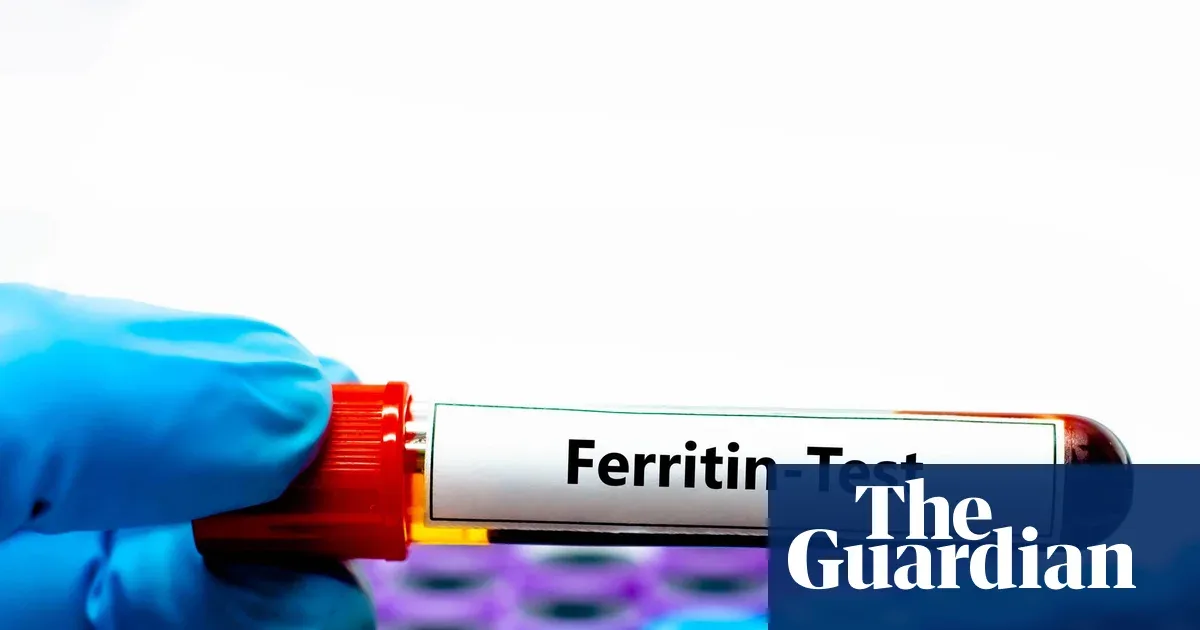
Ferritin levels below 30 micrograms/L indicate iron deficiency.
Symptoms like fatigue and pale skin can result from low iron but may also stem from other factors.
Individuals at risk should seek blood tests to confirm iron levels before self-diagnosing.
Recent discussions on TikTok have brought the term 'ferritin face' into the spotlight, with influencers claiming it reflects signs of iron deficiency, such as pallor, dark circles, and hair loss. This phenomenon has sparked questions about its validity and when individuals should consult a healthcare professional regarding their iron levels.
Ferritin is a protein responsible for storing iron in the body, primarily in the liver, and releasing it as needed. Blood tests can measure ferritin levels, providing insight into the body's iron reserves. According to the National Institute for Health and Care Excellence, levels below 30 micrograms/L typically indicate iron deficiency, while levels under 50 may also suggest a problem, as noted by medical experts.
While influencers attribute various skin and hair symptoms to low ferritin, experts emphasize that these signs can arise from multiple factors, including genetics and stress. Professor Sue Pavord from Oxford University hospitals explains that iron deficiency can lead to fatigue and a dull appearance, but it cannot be solely diagnosed based on physical appearance. Prof. Toby Richards from the University of East London adds that significant changes are often seen in patients with very low iron levels, who tend to be quite ill.
Common causes of low ferritin include heavy menstrual periods, pregnancy, and dietary deficiencies. Conditions like coeliac disease can impair iron absorption, while gastrointestinal issues may lead to blood loss, further contributing to low ferritin levels. Athletes may also experience low iron due to increased bodily demands. Experts recommend that individuals at risk, such as pregnant women or vegetarians, should request comprehensive blood tests to assess their iron status.
The rise of social media discussions around iron deficiency has its pros and cons. While it raises awareness about an often-overlooked issue, it also risks leading individuals to self-diagnose based on symptoms presented online. Experts like Dr. Asiya Maula caution that this trend could result in misdiagnosis without proper medical evaluation. Overall, while increased awareness is beneficial, it is crucial for individuals to seek professional advice to confirm any health concerns related to iron deficiency.