Mumbai Hospitals Report 20% Bed Occupancy Due to Malaria and Dengue
Health officials warn of rising malaria and dengue cases linked to construction activities in Mumbai.
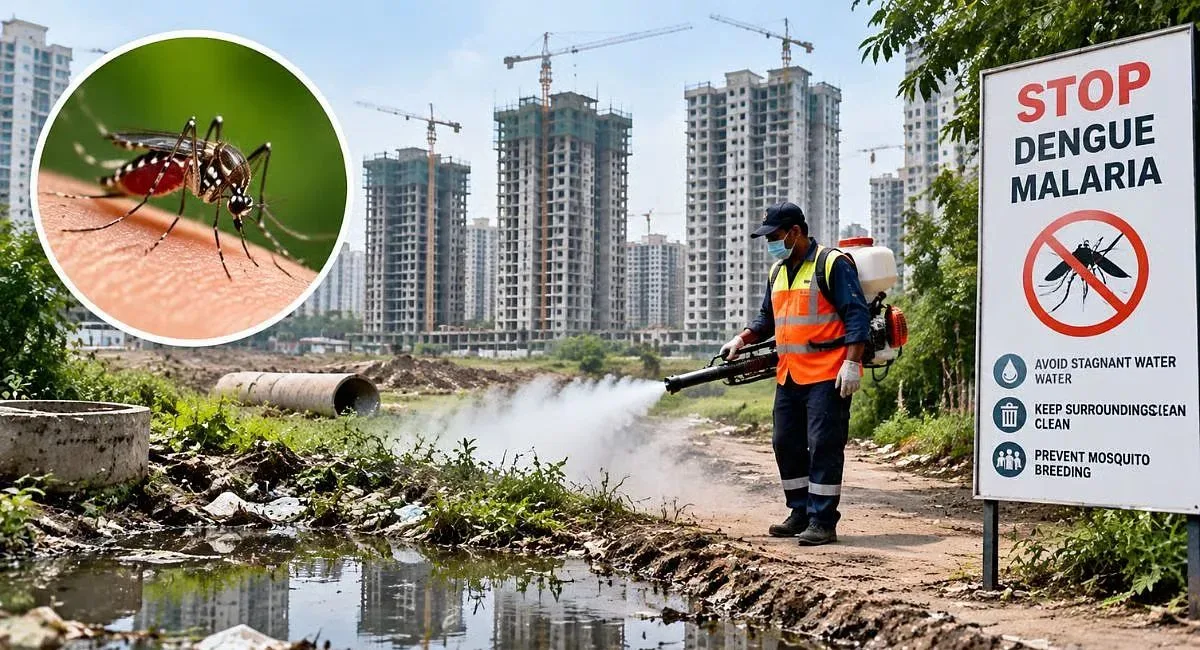
Over 20% of hospital beds in Mumbai are occupied by malaria and dengue patients.
Concerns arise over stagnant water and construction sites as breeding grounds for mosquitoes.
BMC reports a decrease in vector-borne disease cases but emphasizes the need for ongoing preventive measures.
In Mumbai, health professionals are sounding the alarm over the increasing incidence of malaria and dengue, particularly in light of ongoing construction activities. Recent reports indicate that more than 20% of the 550 beds available across the Criticare Group of Hospitals are currently occupied by patients suffering from these mosquito-borne illnesses.
Dr. Deepak Namjoshi, the founder and chairman of Criticare, highlighted the alarming trend, attributing the rise in cases to factors such as stagnant water and inadequate sanitation, which create ideal conditions for mosquito breeding. The effectiveness of current fogging measures has also been questioned, with experts suggesting that these efforts may not be sufficiently addressing the root causes of the outbreaks.
Despite these concerns, the Brihanmumbai Municipal Corporation (BMC) has reported a reduction in cases of vector-borne diseases in the first half of October compared to September. BMC officials have stated that they are actively responding to complaints regarding stagnant water and are implementing strategies to mitigate mosquito breeding. Dr. Santosh Gaikwad, the Executive Health Officer, mentioned that training programs for construction workers are being conducted to enhance awareness and prevention practices at work sites.
The situation underscores the critical need for ongoing preventive measures alongside medical treatment. Areas such as construction sites and waterlogged locations require regular inspections to identify and eliminate potential mosquito breeding grounds. Doctors are advocating for increased public awareness and prompt medical attention for individuals exhibiting symptoms of malaria or dengue.
Looking ahead, civic authorities face the challenge of ensuring that mosquito control initiatives are effectively and consistently enforced throughout the city. Continuous monitoring and community engagement will be essential in combating the spread of these diseases as the city navigates the complexities of urban construction and public health.