Understanding Continuous Glucose Monitoring for Diabetes Care
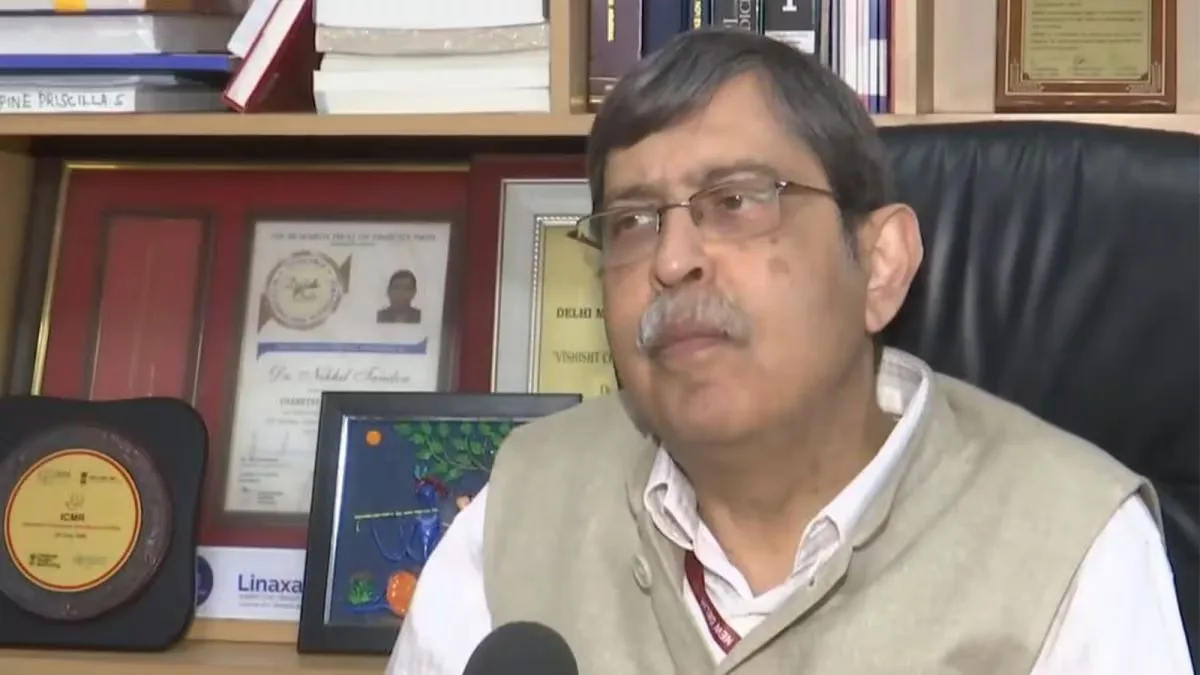
A medical expert discusses the significance and necessity of continuous glucose monitoring for diabetes patients.
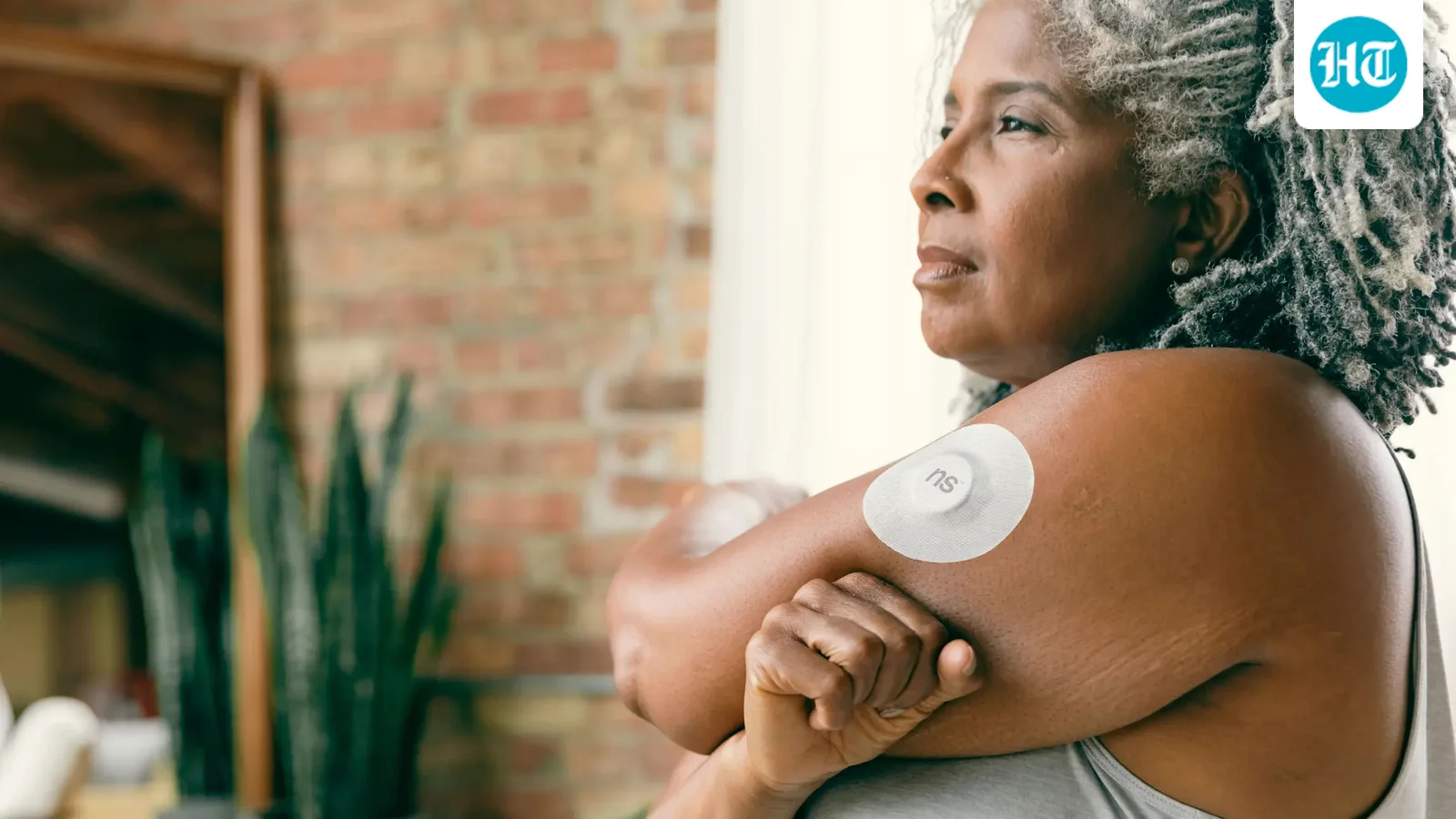
CGM devices provide real-time glucose level tracking.
They are particularly beneficial for Type 1 diabetes patients.
Not all diabetes patients require CGM; traditional methods may suffice.
Continuous glucose monitoring (CGM) technology is revolutionizing diabetes management by providing real-time tracking of blood sugar levels. This wearable device measures glucose levels every few minutes, allowing patients and doctors to observe patterns that traditional finger-prick tests cannot reveal. Dr. Girish Bathina, a general medicine consultant at Manipal Hospital in Vijayawada, emphasizes that CGM offers a comprehensive view of glucose fluctuations throughout the day and night.
Historically, diabetes management involved frequent finger pricks to check blood sugar levels, which only provided a snapshot of glucose at a specific moment. This method fails to capture the dynamic nature of blood sugar changes influenced by various factors such as food intake, physical activity, and stress. CGM technology addresses this gap by continuously monitoring glucose levels, thus enabling better-informed treatment decisions.
Dr. Bathina explains that CGM devices utilize sensors placed under the skin to measure glucose in interstitial fluid, transmitting data to a smartphone or receiver. This allows users to observe glucose trends and receive alerts for dangerously high or low sugar levels, even during sleep. The ability to track these fluctuations is crucial for managing diabetes effectively, as it helps identify patterns that can inform dietary and lifestyle adjustments.
CGM is particularly advantageous for individuals with Type 1 diabetes, those who administer insulin multiple times daily, and patients who experience frequent low blood sugar episodes. However, Dr. Bathina notes that not everyone with diabetes needs a CGM. Individuals managing Type 2 diabetes through diet and exercise may find traditional monitoring methods sufficient. While CGM reduces the need for finger pricks, it does not completely eliminate them, as it measures glucose in interstitial fluid, which can lag behind blood glucose changes.
Looking ahead, the integration of CGM technology into diabetes care is expected to expand, with ongoing research into its benefits for various patient populations. As awareness grows, healthcare providers will continue to evaluate the most effective monitoring strategies for diabetes management, ensuring that patients receive personalized care tailored to their specific needs. Patients are encouraged to consult with their healthcare providers to determine the best approach for their diabetes management.