Type 2 Diabetes Now Affects Young Indians Under 20, Warns AIIMS Director
AIIMS Director Dr. Nikhil Tandon reveals alarming trends of Type 2 diabetes in young Indians, highlighting lifestyle factors over pollution.
Type 2 diabetes is increasingly diagnosed in individuals aged 10 to 19 in India.
Lifestyle factors such as obesity and poor diet are major contributors to the rise in diabetes cases among youth.
Young patients often require insulin treatment sooner than older adults, leading to higher risks of complications.
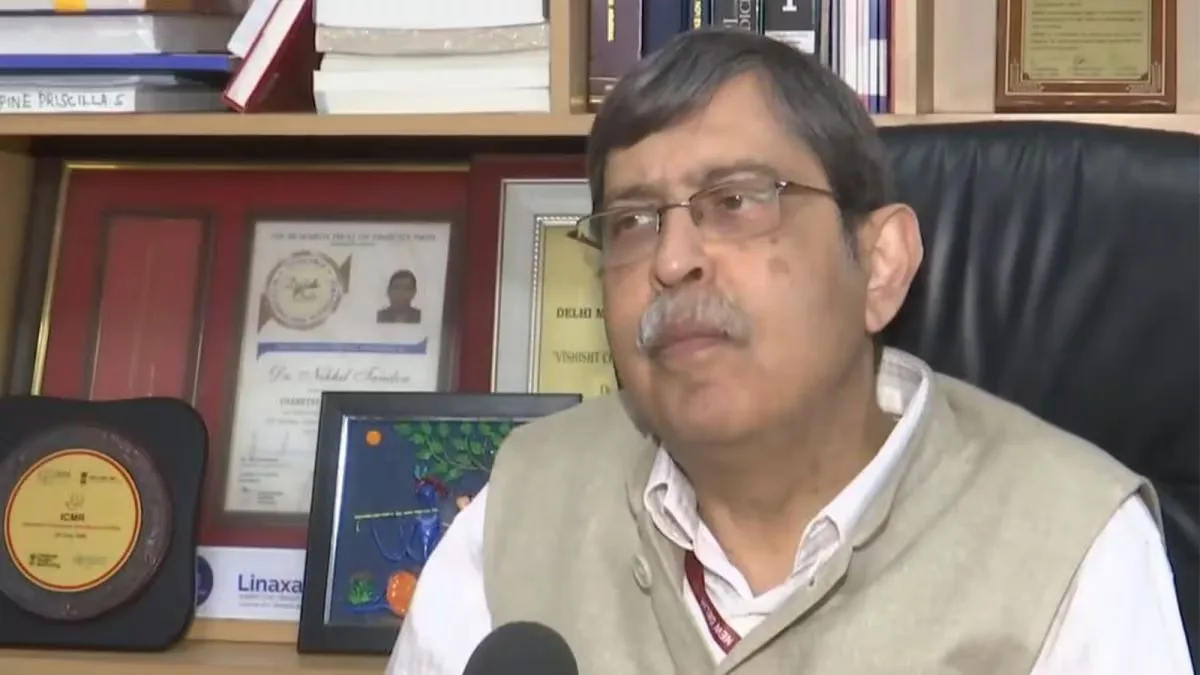
Type 2 diabetes, once predominantly seen in older adults, is now increasingly affecting young Indians, particularly those in their teens. Dr. Nikhil Tandon, the director of the All India Institute of Medical Sciences (AIIMS) in New Delhi, emphasized this concerning trend during a recent interview. He noted that the disease is becoming more aggressive in younger populations, with individuals as young as 10 being diagnosed.
Historically, Type 2 diabetes was largely considered a condition for individuals in their 50s and 60s. However, recent data indicates a significant shift. According to a study by the Indian Council of Medical Research (ICMR), approximately 25 to 30 percent of individuals diagnosed with diabetes before the age of 25 actually have Type 2 diabetes, contrary to expectations that most would have Type 1 diabetes, which is more common in younger individuals.
Dr. Tandon pointed out that the nature of Type 2 diabetes in young people differs from that seen in older adults. Young patients often require insulin much sooner, and they face a heightened risk of complications, including retinal and kidney diseases. This shift is alarming, as it suggests that the disease is not only becoming more common but also more severe among younger populations.
The rise in diabetes cases among young Indians can be attributed to various lifestyle changes, including increased obesity rates, sedentary behavior, and unhealthy dietary habits. Dr. Tandon explained that while air pollution is a concern, it is not the primary driver of diabetes in India. Instead, factors such as weight gain and inactivity are more significant contributors to the growing diabetes epidemic.
Looking ahead, the implications of this trend are profound for public health in India. With over 100 million people currently living with diabetes and an additional 130 million classified as pre-diabetic, the healthcare system faces immense pressure. Dr. Tandon advocates for increased awareness and preventive measures to combat this emerging health crisis, particularly among younger demographics.