UN Warns of Potential Rise in HIV Infections by 2024
The UN agency for AIDS cautions that new HIV cases may increase due to funding cuts and rights rollbacks.
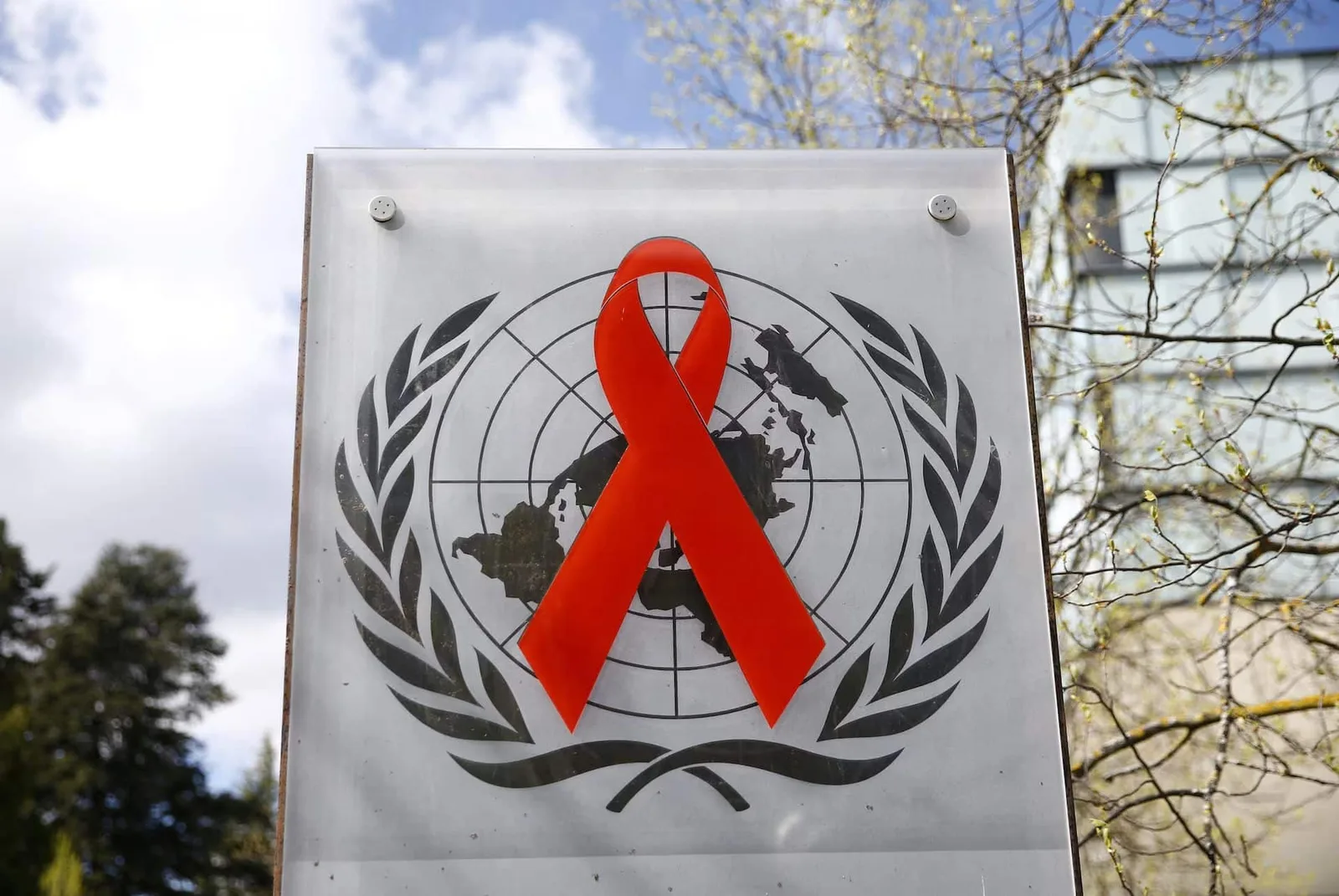
UNAIDS reports a historic low of 1.2 million new HIV infections last year.
Funding cuts and anti-rights movements threaten progress in HIV/AIDS eradication.
UNAIDS aims to eliminate HIV/AIDS as a public health threat by 2030.
The executive director of UNAIDS, Winnie Byanyima, has issued a stark warning that new HIV infections could begin to rise from historic lows as early as next year. This alarming prediction comes amid significant funding cuts and a global backlash against human rights, jeopardizing the progress made in combating the disease. Byanyima emphasized that the world is on the verge of eradicating AIDS, yet these setbacks could reverse years of hard-earned gains.
Historically, HIV infections peaked at 3.5 million in 1994, but recent data indicates a significant decline, with only 1.2 million new infections reported last year. Despite this progress, Byanyima noted that international funding has decreased by nearly 20%, which could soon manifest in rising infection rates as countries struggle to maintain prevention efforts without adequate resources.
Byanyima highlighted that the repercussions of funding cuts are already evident, particularly in South America, where infection rates are reportedly on the rise. She pointed out that the closure of prevention clinics and staff layoffs are direct consequences of these financial shortfalls. Furthermore, she warned that a global political climate increasingly hostile to women's reproductive rights and LGBTQ rights poses a serious threat to ongoing efforts to combat HIV/AIDS.
The UN has set an ambitious goal to end HIV/AIDS as a public health threat by 2030. However, recent pressures to restructure the organization have led to drastic measures, including the dismissal of half of the staff at the UNAIDS agency and the cessation of operations in approximately 30 countries. Although a proposal to dissolve the agency was rejected last month, Byanyima indicated that the agency would now transition to a smaller operational size while maintaining its core functions.
Looking ahead, Byanyima's departure from her position in December will shift her focus toward activism addressing global inequality. As the world grapples with these challenges, the future of HIV/AIDS prevention efforts remains uncertain, and the need for renewed commitment and funding is more critical than ever.