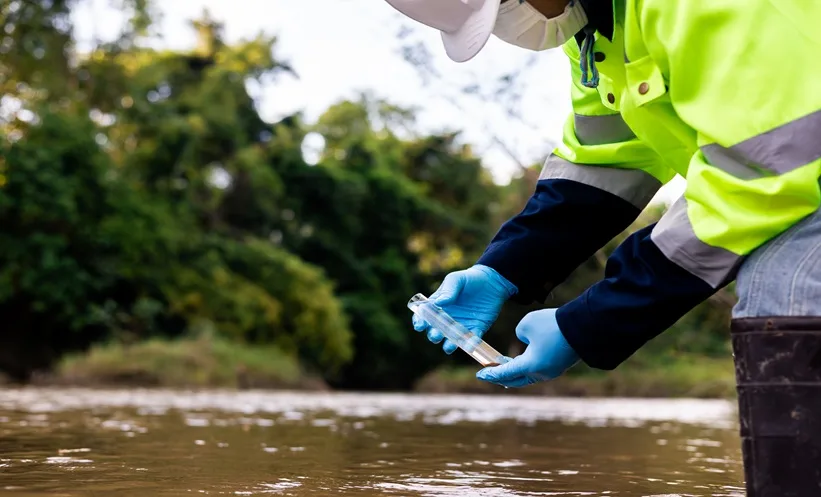
Thiruvananthapuram Intensifies Leptospirosis Prevention Amid Rainfall
Health authorities in Thiruvananthapuram ramp up measures to combat leptospirosis as rainfall increases disease risks.
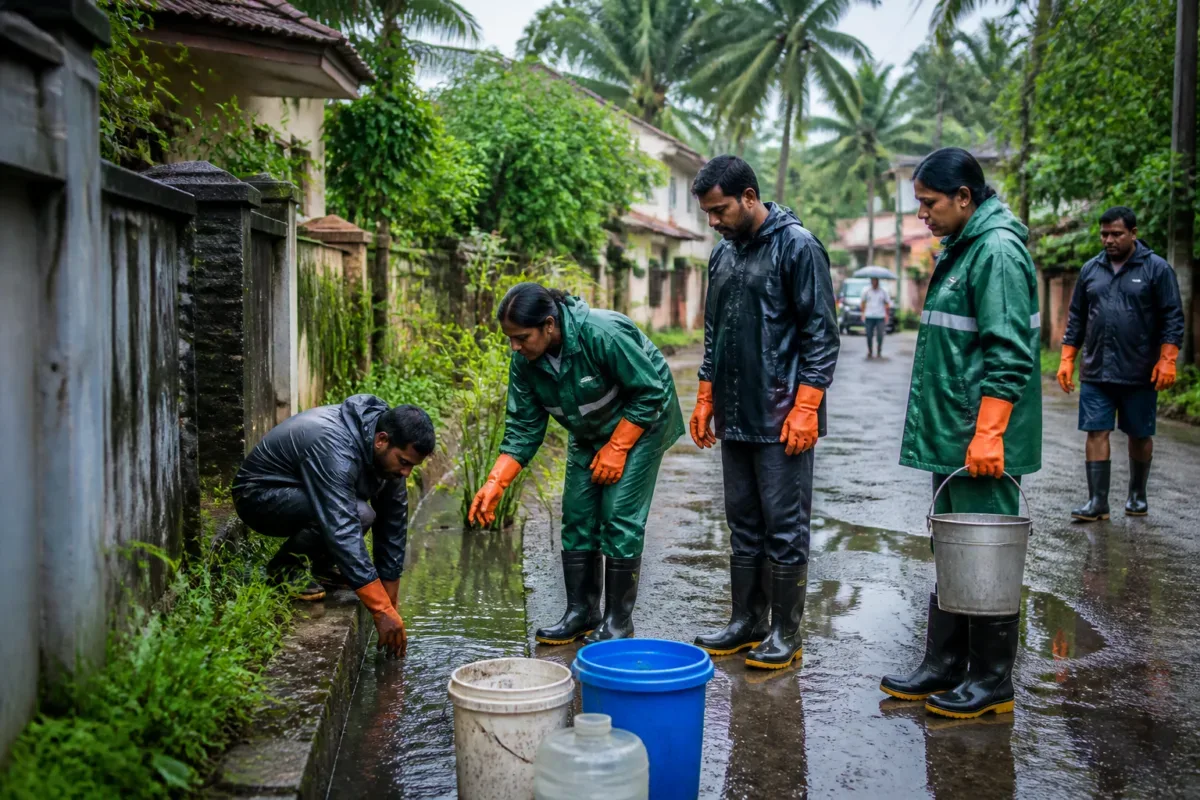
Doxycycline is available for free to those entering contaminated areas.
Residents are urged to maintain hygiene and report symptoms promptly.
Efforts to reduce mosquito breeding sites are being intensified.
In response to heightened risks associated with increased rainfall, health officials in Thiruvananthapuram have implemented stricter measures to prevent leptospirosis. The district medical office has issued a statement emphasizing the importance of personal hygiene and cleanliness to mitigate the risk of exposure to contaminated water during the rainy season.
The health authority has specifically recommended that individuals needing to enter waterlogged or contaminated zones take doxycycline as a preventive measure against leptospirosis, but only under the guidance of health professionals. These preventive tablets are provided free of charge at all healthcare facilities, ensuring accessibility for those at risk.
Certain groups, including farmers, sanitation workers, and construction personnel, are particularly vulnerable to leptospirosis due to their frequent exposure to contaminated environments. The health office has advised these individuals to wear protective gear, such as gloves and boots, and to avoid contact with contaminated water if they have open wounds. Immediate washing of feet with soap and clean water is recommended for anyone who walks through contaminated areas.
The ongoing rainfall not only raises concerns about leptospirosis but also about the proliferation of Aedes mosquitoes, which can transmit diseases like dengue and chikungunya. Health authorities are urging residents to actively participate in efforts to eliminate stagnant water around their homes and workplaces, as this is crucial for curbing mosquito breeding.
To further support these preventive measures, the health department has designated specific days for educational institutions, workplaces, and households to conduct inspections and remove stagnant water. The district medical office has reiterated that community involvement is vital for effective disease control, alongside the initiatives taken by health authorities.