Surge in Stroke Rates Among Young Adults: Expert Insights
Recent findings reveal a troubling increase in stroke incidents among individuals under 40, highlighting critical lifestyle risks.
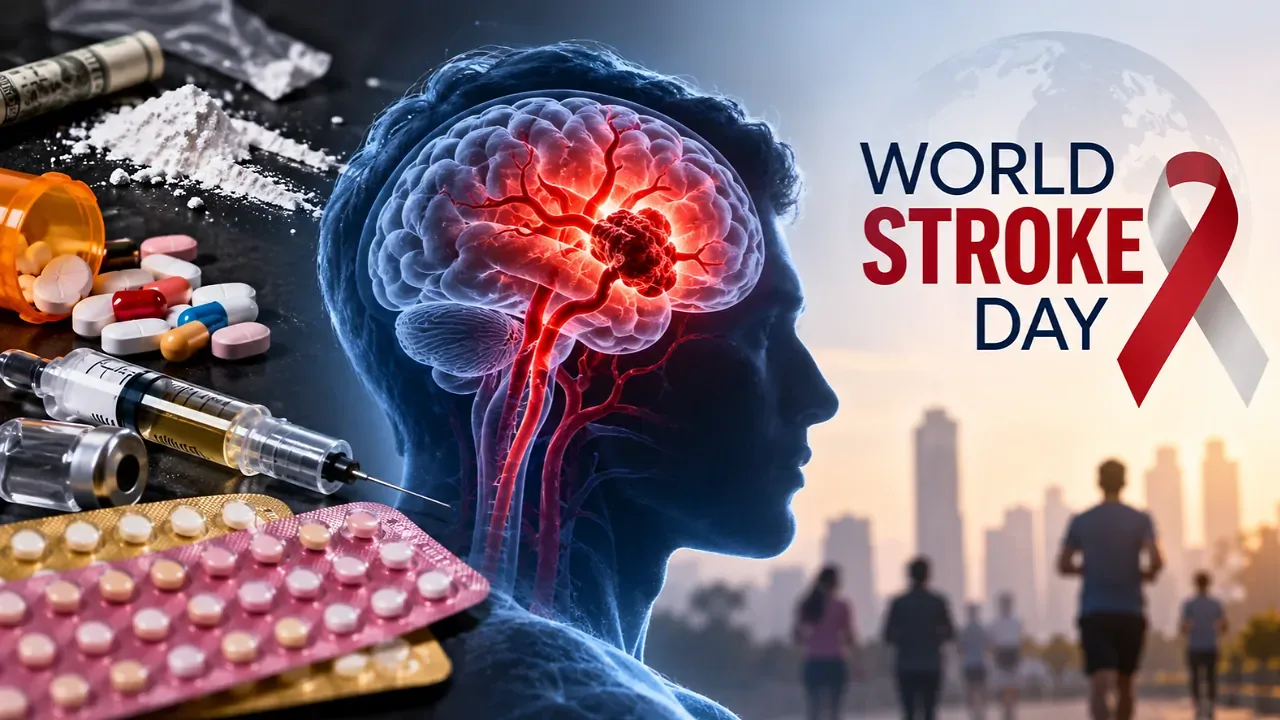
Stroke rates in young adults have nearly doubled in the last 20 years.
Recreational drugs, obesity, and smoking significantly elevate stroke risks.
Migraine with aura combined with certain contraceptives increases stroke risk in young women.
A recent study indicates that the incidence of strokes among young adults in the United States has surged, nearly doubling over the past two decades. This alarming trend has been particularly noted in individuals under the age of 40, with risk factors such as high blood pressure, diabetes, and high cholesterol appearing much earlier in life. On World Stroke Day, Dr. Arup Sen, a physician specializing in geriatrics and stroke at Cleveland Clinic London, addressed these concerning developments, emphasizing the need for awareness and prevention among younger populations.
Historically, strokes were predominantly associated with older adults; however, the landscape is changing. Factors contributing to this rise include lifestyle choices and underlying health conditions. Dr. Sen pointed out that recreational drug use, smoking, sedentary lifestyles, and obesity are significant contributors to this trend. He stated, "The risk factors are arriving decades earlier compared to previously," which explains the increasing number of stroke emergencies among the youth.
Dr. Sen elaborated on how substances like cocaine and anabolic steroids can directly affect blood pressure and blood vessel health, leading to a higher likelihood of strokes. He noted that cocaine can constrict blood vessels, while anabolic steroids can thicken the blood, increasing clotting risks. Additionally, he highlighted the dangers of combining smoking with vaping, which has been linked to an elevated stroke risk. The doctor also cautioned young women who experience migraines with aura while using estrogen-containing contraceptives, as this combination can further heighten their risk of stroke.
The implications of these findings extend beyond individual health, posing a public health challenge. The increase in stroke rates among younger adults may strain healthcare resources and necessitate a shift in how medical professionals approach stroke prevention. Dr. Sen emphasized the importance of lifestyle modifications, urging young adults to remain active, avoid harmful substances, and regularly monitor their health metrics, such as blood pressure and cholesterol levels.
Looking ahead, Dr. Sen advocates for proactive health measures and increased awareness of stroke symptoms, particularly among younger individuals. He encourages the public to familiarize themselves with the BEFAST acronym to recognize stroke signs early. As he aptly put it, "Time is brain," underscoring the critical importance of prompt medical attention in improving stroke outcomes.